Why Check Engine Light Came Back After Reset: Technical Diagnosis
Technical scans only clear temporary fault memory without fixing underlying mechanical or electrical failures. Proper diagnostic steps require verifying live sensor data rather than simple code erasure.

Permanent code clearance relies entirely on resolving root component faults instead of relying on basic code erasers. Always monitor fuel trim data and pending DTCs after every diagnostic reset.
Looking for matching picks? See our Best Obd2 Scanner For Check Engine Light: Top Picks Reviewed.
Practical Quick-Reference Table
| Scenario / Metric | Recommended Target | Why It Matters |
|---|---|---|
| EVAP System Leak | Under 0.040 inch | Prevents recurring P0442 codes |
| Short Fuel Trim | Within plus/minus 5% | Indicates balanced air-fuel ratio |
| Long Fuel Trim | Within plus/minus 8% | Detects hidden vacuum leaks |
| O2 Sensor Voltage | 0.1V to 0.9V cycling | Ensures proper catalyst monitoring |
| Coolant Temperature | Above 185 Fahrenheit | Allows closed-loop fuel operation |
| Battery Voltage | 12.6V resting, 14.2V charging | Prevents spurious electrical errors |
Understanding Persistent Fault Memory and Powertrain Modules
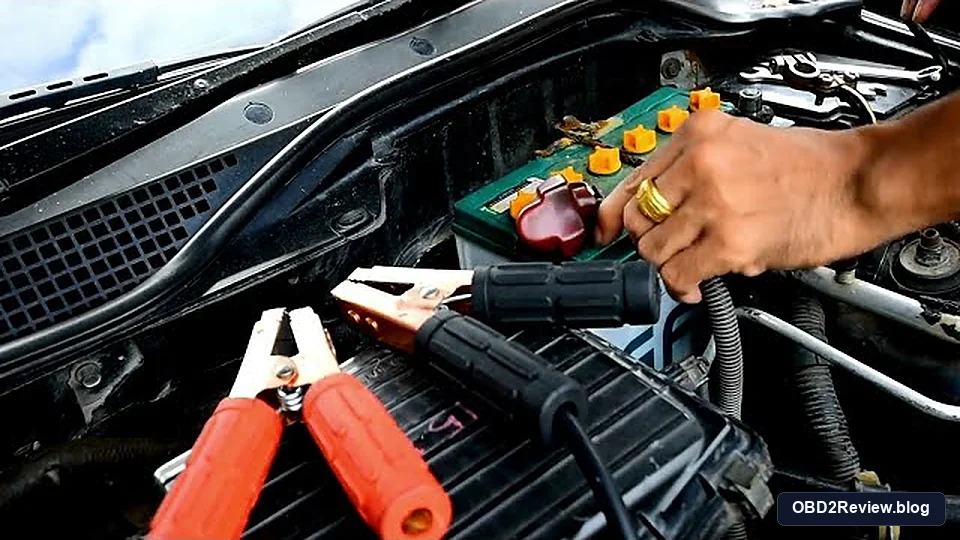
Clearing diagnostic trouble codes using an external scanner only erases temporary computer memory. The powertrain control module immediately runs self-tests and recreates the fault code if the underlying physical problem remains completely unresolved.
Modern vehicle networks store historical data across multiple interconnected modules. Temporary erasures fail because hard faults persist within the physical circuitry or fluid management networks until mechanical repairs are successfully completed and verified.
When clearing codes with an OBD2 scanner, superficial volatile memory resets, but permanent Diagnostic Trouble Codes stored in non-volatile EEPROM persist until the powertrain control module verifies actual self-test completion.
Modern vehicles utilize sophisticated memory registers that retain historical freeze frame data. If the underlying mechanical fault remains unresolved, the system logs a pending fault code immediately before triggering the warning lamp again.
- Scanners erase temporary memory registers only.
- Physical faults trigger immediate code return.
- Multiple modules cross-check diagnostic trouble codes.
- Unresolved mechanical issues block permanent clearing.
Module Communication Networks
Controller area network buses constantly monitor sensor inputs across diverse electronic control modules. When a component deviates from normal operational parameters, the central computer flags a fault and illuminates the dashboard indicator lamp.
- CAN bus links all vehicle computers.
- Sensor deviations trigger instant dashboard warnings.
Intermittent Sensor Failures and Wiring Harness Faults
Intermittent electrical failures represent the most frequent cause of returning check engine lights. Reviewing our best check engine code reader reviews helps isolate damaged sensor wiring that loses continuity over bumps.
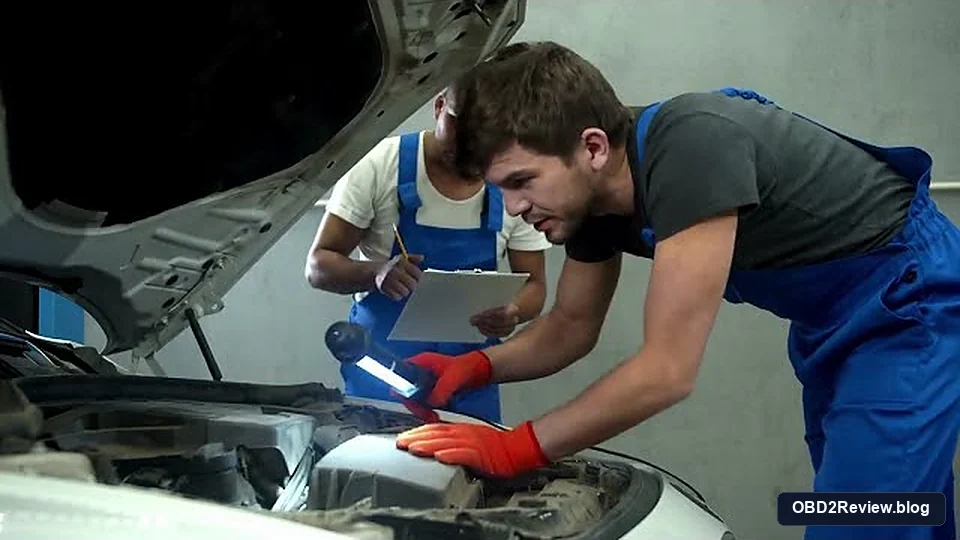
Corroded connector pins create high resistance states that mimic genuine sensor failures during high-vibration driving conditions. Technicians must inspect terminal tension and harness routing thoroughly before condemning expensive electronic control components.
Intermittent high-resistance faults inside wiring harnesses often elude basic scans. Corroded terminal pins create voltage drops exceeding 0.5 volts, which mimics sensor failure and forces the module to re-flag the original DTC.
Thermal expansion under engine bay heat cycles can open fractured solder joints inside sensor connectors. Using a digital multimeter to perform circuit continuity testing helps isolate these elusive intermittent wiring faults.
- Vibration exposes intermittent wiring harness breaks.
- Corroded connector pins cause erratic voltage readings.
- Terminal tension checks prevent false component replacements.
- Harness routing inspections locate hidden chafing points.
Video Walkthrough: Top 5 Reasons Your Check Engine Light Comes Back After Resetting | How to Fix
Exhaust Emissions and Evaporative System Pressure Leaks
Evaporative emission systems perform rigorous self-diagnostics using tiny pressure variations inside the fuel tank. Even a microscopic seal degradation or loose gas cap lets vapor escape, triggering persistent emission related trouble codes.
Catalytic converters degrade slowly over extended operational mileages, failing efficiency thresholds under heavy engine loads. Using the best obd2 scanner for check engine light helps pinpoint these recurring emission faults quickly.
Evaporative emission systems demand strict pressure integrity. A microscopic crack in the fuel filler neck or a faulty purge control solenoid allows vapor leaks that instantly fail the PCM routine monitor.
Exhaust leaks upstream of the oxygen sensors introduce ambient air into the stream. This artificially skews air-fuel ratios, causing downstream monitors to register inefficiency and turn the dashboard warning light back on.
- EVAP monitors rely on precise tank pressure.
- Loose gas caps trigger recurring emission codes.
- Catalytic efficiency drops under heavy engine loads.
- Microscopic leaks defy casual visual inspections.
Air Fuel Ratio Imbalances and Fuel Trim Anomalies
Fuel trim calculations adjust fuel delivery based on real-time oxygen sensor feedback. Unmeasured air entering through a cracked vacuum hose forces long-term trims outside normal operating limits, illuminating the warning light again.
Leaking fuel injectors or restricted fuel pumps cause severe air-fuel imbalances during acceleration. The computer registers these persistent fuel delivery discrepancies and restores the fault code immediately following any diagnostic reset procedure.
Long-term fuel trims exceeding plus or minus ten percent deviation indicate chronic fueling discrepancies. If dirty fuel injectors or weak fuel pumps persist, the module commands correction limits and trips the light.
Unmetered air entering through intake gasket leaks bypasses the mass airflow sensor. The PCM compensates by adding fuel, eventually hitting thresholds that trigger rich or lean diagnostic trouble codes upon reset.
- Vacuum leaks introduce unmeasured ambient air.
- Fuel trims compensate for continuous delivery errors.
- Leaking injectors alter air-fuel mixture ratios.
- Sensors record combustion anomalies during driving.
Drive Cycle Completion Requirements and Readiness Monitors
Vehicles require specific operating conditions called drive cycles to run internal diagnostic readiness monitors. Clearing codes resets these monitors to incomplete status, forcing the vehicle through distinct driving phases before verification.
If a specific readiness monitor fails its automated self-test during normal driving, the powertrain control module turns the warning light back on immediately. Drivers must understand exact drive cycle parameters to confirm successful repairs.
Clearing fault codes resets all OBD2 readiness monitors to incomplete. Driving the vehicle without executing a specific manufacturer drive cycle prevents the computer from validating repairs, leaving the system vulnerable to resets.
Certain monitors like the EVAP system require exact ambient temperatures, specific fuel tank levels between one-quarter and three-quarters, and sustained highway cruising speeds to safely execute internal diagnostic testing protocols.
- Drive cycles test internal readiness monitors.
- Clearing codes resets all monitor statuses.
- Incomplete monitors require specific driving conditions.
- Automated self-tests trigger warning light returns.
Video Walkthrough: Blah-blah...
Powertrain Control Module Software and Calibration Glitches
Outdated powertrain control module software calibrations can misinterpret normal sensor data as functional anomalies. Using the best check engine scanner options allows technicians to verify correct software versions and prevent unnecessary dashboard warnings.
Internal module hardware degradation or corrupted flash memory can also generate phantom diagnostic trouble codes. Professional technicians check technical service bulletins for known software flaws before performing expensive electrical assembly replacements.
Outdated powertrain control module firmware often contains overly aggressive diagnostic logic parameters. Manufacturers frequently release flash software updates to address false-positive fault triggers that recur despite complete mechanical component replacements.
Corrupted EEPROM sectors inside the primary processor can cause modules to loop error routines indefinitely. Verifying calibration identification numbers against technical service bulletins is essential for resolving persistent electronic glitches.
- Outdated software misinterprets normal sensor signals.
- Manufacturer firmware updates fix sensitivity bugs.
- Corrupted flash memory generates phantom codes.
- Technical service bulletins guide software updates.
Hardware Diagnostic Tools and Live Data Interpretation Methods
Advanced OBD2 scanners display live data streams showing real-time sensor voltage fluctuations and parameter IDs. Using our obd2 code decoder tool helps technicians identify underlying mechanical faults rather than simply erasing recurrent diagnostic codes.
Freezing frame data captures exact engine conditions like load, speed, and temperature when a fault occurs. Reviewing this stored snapshot reveals precise operational triggers behind every recurring dashboard warning lamp illumination event.
Basic code readers only display generic fault text without context. Technicians must leverage professional scan tools to analyze live data parameter IDs in real-time to catch fleeting sensor anomalies during driving.
Monitoring graph displays for oxygen sensor switching speeds and fuel pressure metrics helps isolate root causes. Capturing freeze frame snapshots reveals exact engine loads when the initial fault occurred.
- Live data streams show sensor voltage fluctuations.
- Freeze frame data captures exact fault conditions.
- Dynamic waveforms pinpoint hidden mechanical failures.
- Parameter IDs track real-time system performance.
Frequently Asked Questions
Why does my check engine light return immediately after clearing the code with a scanner?
Clearing codes only erases computer memory without fixing the underlying physical problem. The powertrain control module runs a self-test and turns the warning light back on when the fault persists.
Can a loose gas cap really make the check engine light come back on after a reset?
Yes, the evaporative emission system tests fuel tank pressure during specific driving cycles. A loose or damaged gas cap allows vapor leaks that trigger recurring emission trouble codes.
How many driving cycles are needed to keep the check engine light from returning?
There is no fixed number of cycles because each readiness monitor requires specific operating conditions. The light stays off only after all internal self-tests pass successfully during standard driving.
Will replacing a faulty oxygen sensor permanently stop the warning light from coming back?
Replacing a bad oxygen sensor stops the light if no other upstream wiring or fuel delivery issues exist. Technicians must always verify live sensor data to ensure complete system repair.
What should I do if my scanner shows no active codes but the light returns?
Pending diagnostic trouble codes often exist in the computer memory before lighting the dashboard indicator. Use an advanced scan tool to check pending fault registers and live freeze frame data.