How To Check Transmission Fluid Temperature With Obd2
Monitoring automatic gearbox vitals prevents catastrophic internal failure. Utilizing your OBD2 port unlocks real-time thermal diagnostics without installing mechanical gauges.

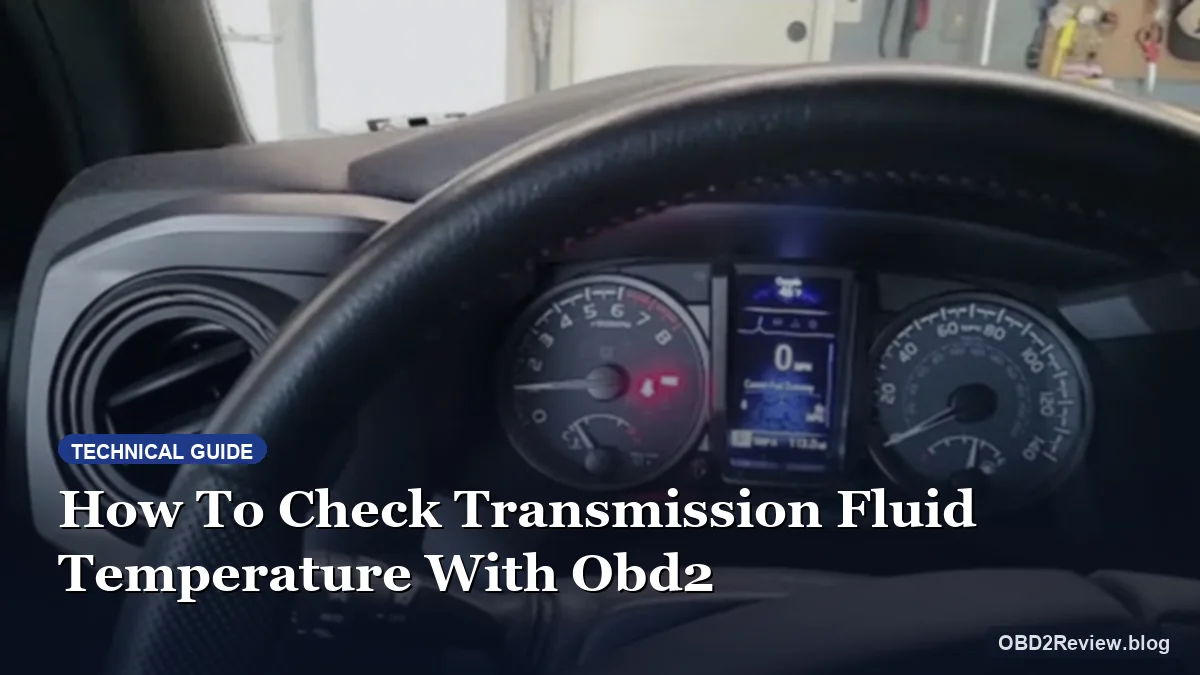
Connect a compatible scan tool to access enhanced powertrain data streams. Always verify fluid levels while maintaining proper operating temperature before performing diagnostics.
Looking for matching picks? See our Best Check Engine Scanner: Top Diagnostic Tools.
Practical Quick-Reference Table
| Scenario / Metric | Recommended Target | Why It Matters |
|---|---|---|
| Normal Operating Range | 170°F - 200°F | Prevents premature fluid breakdown and wear. |
| Heavy Towing Limit | Below 220°F | Protects internal clutch friction materials. |
| Critical Thermal Warning | Above 240°F | Causes instant synthetic fluid degradation. |
| Warm-Up Idle Time | 5 to 10 Minutes | Establishes baseline thermal fluid equilibrium. |
| Communication Protocol | ISO 15765-4 CAN | Ensures fast transmission PID data refresh. |
| Fluid Service Interval | 30,000 to 50,000 Miles | Maintains optimal hydraulic cooling capacity. |
Core Fundamentals and Powertrain Architecture
Modern automatic transmissions rely heavily on precise hydraulic pressure and fluid viscosity. Excessive heat rapidly breaks down friction modifiers, causing premature clutch pack failure across various modern vehicle platforms.
Traditional dashboard warning lights only activate during extreme thermal events. Utilizing a diagnostic link connector along with a helpful obd2 code decoder tool provides continuous access to internal transmission fluid temperature sensor data.
Powertrain control modules continuously monitor thermistor resistance values inside the valve body. Translating these electrical signals into readable units prevents costly mechanical overhauls during heavy towing tasks.
Modern transmissions rely on internal thermistors integrated into the valve body harness. These sensors monitor fluid viscosity changes to dynamically adjust hydraulic line pressure and shift schedules for optimal powertrain efficiency.
Heat dissipation occurs primarily via an auxiliary cooler integrated into the vehicle radiator assembly. Heavy towing demands robust thermal exchange capacity to prevent catastrophic clutch friction material degradation under sustained high torque.
Understanding fluid thermistor resistance curves helps technicians diagnose erratic temperature reporting. A failing sensor often exhibits voltage drops that trigger false limp mode activations across the Transmission Control Module.
- Sensors measure internal fluid resistance continuously.
- Thermal loads impact shift quality and clutch lifespan.
- Computers adjust line pressure based on fluid heat.
- Dashboard warnings often trigger far too late.
Understanding Thermistor Circuits
Advanced diagnostics require understanding internal fluid dynamics and thermistor circuits. Technicians must study specific wiring diagrams before performing complex diagnostic procedures on modern automatic gearboxes.
Proper grounding ensures sensor signals travel accurately to the powertrain computer. Loose ground straps introduce resistance that distorts live temperature readings on your diagnostic display.
- Thermistors alter voltage output relative to heat.
- Wiring resistance corrupts live module data.
Hardware Requirements and Protocol Compatibility
Basic generic code readers only retrieve engine fault codes. Checking fluid temperature reliably requires advanced diagnostic tools like an upgraded obd2 scanner with tpms reset to decode manufacturer-specific enhanced data streams.
Bluetooth adapters paired with dedicated mobile applications offer cost-effective diagnostic capabilities. Ensure your chosen hardware supports CAN protocols utilized by modern powertrain control modules.
Professional workshop diagnostic tablets feature preloaded manufacturer software packages for deep module interrogation. These units automatically scan all available buses for active transmission temperature PIDs.
Basic generic OBD2 readers only access powertrain emissions data. Accurately reading internal transmission fluid temperature requires an advanced scan tool supporting manufacturer-specific PIDs and high-speed CAN bus communication protocols.
Bluetooth adapters must support ELM327 command sets alongside robust multi-protocol auto-formatting. Selecting substandard hardware frequently results in missing sensor readouts when querying deep transmission control units during active road testing cycles.
Professional diagnostic setups utilize bidirectional interfaces capable of overriding default polling rates. This ensures real-time graphing accuracy without experiencing dropped packets over the OBD2 diagnostic port during extended logging sessions.
- Generic scanners lack proprietary transmission software.
- Wireless adapters require stable Bluetooth pairing.
- Fast refresh rates improve live graphing accuracy.
- Multi-brand tools cover diverse vehicle architectures.
Selecting Compatible Diagnostic Adapters
Choosing the correct adapter prevents communication dropouts during live data logging sessions. Verify chip architecture supports high-speed data transfer rates across complex bus networks.
Incompatible hardware freezes data streams and frustrates diagnostic workflow execution in busy shops.
- Verify ELM327 chip version authenticity.
- Check dual-can bus switching capabilities.
Video Walkthrough: Toyota Transmission Fluid Temperature — Scan Tool Feature You Need
Step-by-Step Diagnostic Tool Connection
Locate the under-dash diagnostic port situated beneath the driver side steering column. Firmly insert your compatible scan tool interface while the vehicle ignition remains in the off position.
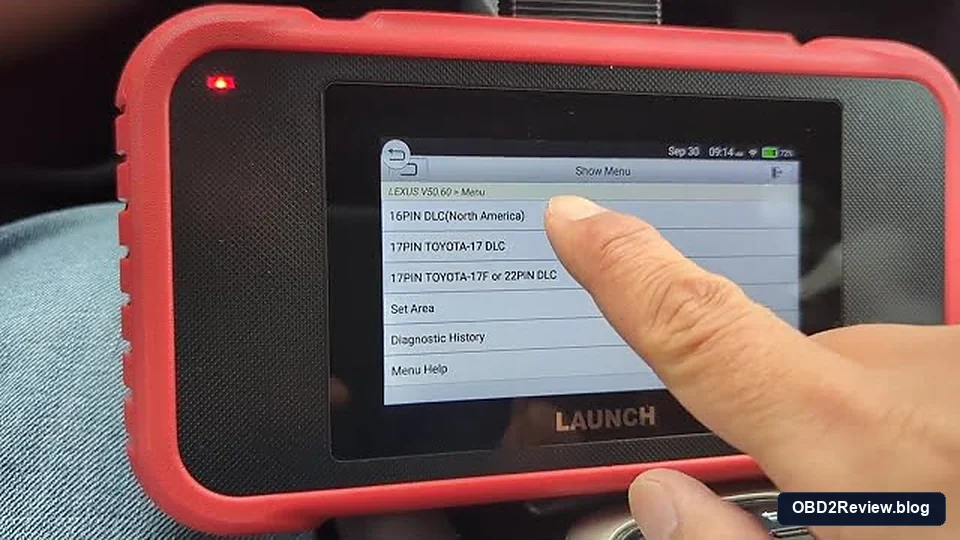
Turn the ignition key to the run position without starting the engine to power electronics. Establish a stable wireless or wired communication link between your diagnostic device.
Navigate through the main diagnostic menu and select automatic transmission or powertrain control modules. Avoid rushing this initialization sequence to prevent incomplete module handshakes and dropped data packets.
Locate the OBD2 port beneath the driver side dashboard near the steering column. Securely plug in your compatible scan tool while the ignition switch remains in the off position to prevent electrical surge spikes.
Turn the ignition to the accessory or run position without starting the engine. Establish a stable wireless or wired connection through your diagnostic application before selecting the correct vehicle year configuration.
Navigate past standard OBD2 menus by using a reliable obd2 scanner with live data to access enhanced manufacturer diagnostics. Select the transmission subsystem to begin monitoring critical fluid temperature metrics seamlessly.
- Locate the under-dash diagnostic connector easily.
- Turn ignition on without cranking the engine.
- Establish stable communication handshake protocols.
- Select correct automatic transmission control modules.
Accessing Enhanced Transmission PID Parameters
Standard parameter IDs rarely display gearbox temperatures without manufacturer-specific software patches. Users must manually select correct vehicle profiles to reveal hidden transmission temperature PIDs.
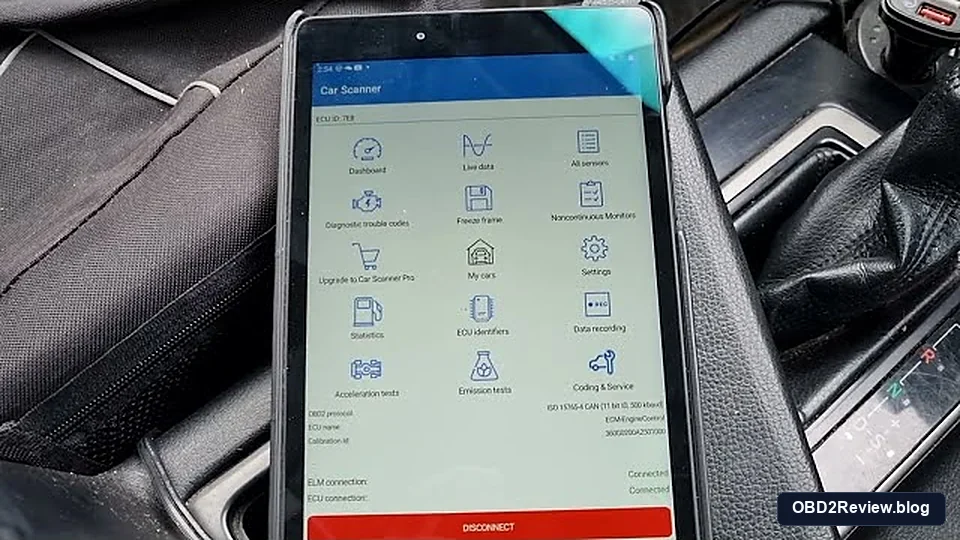
Custom PID configuration menus allow technicians to input specific hexadecimal query strings. Double-check all formula parameters before saving custom data channels to guarantee accurate temperature readouts.
Graphing live data streams helps visualize thermal fluctuations during active road testing. Monitor response times carefully to identify sluggish thermistor sensors or restricted cooler circuit flow.
Standard generic PIDs rarely expose internal transmission temperatures because automakers utilize proprietary memory addresses. You must manually input custom parameter identification codes tailored specifically to your vehicle make and powertrain control module.
Modern diagnostic software often includes cloud-database lookups that automatically pull correct sensor formulas. Verify that your scanning application translates raw hexadecimal bytes into readable Celsius or Fahrenheit values without math errors.
Set up a custom dashboard layout to monitor fluid temperature alongside engine coolant and throttle position. Correlating these three metrics helps isolate cooling system faults from internal mechanical slip anomalies.
- Generic PIDs omit internal gearbox sensors.
- Custom hexadecimal strings unlock hidden data.
- Live graphing reveals erratic sensor behavior.
- Validate formulas before logging field data.
Interpreting Thermal Ranges and Fluid Degradation
Normal operating temperatures typically range between one hundred seventy and two hundred degrees Fahrenheit. Exceeding two hundred twenty degrees accelerates fluid oxidation and compromises internal seal integrity.
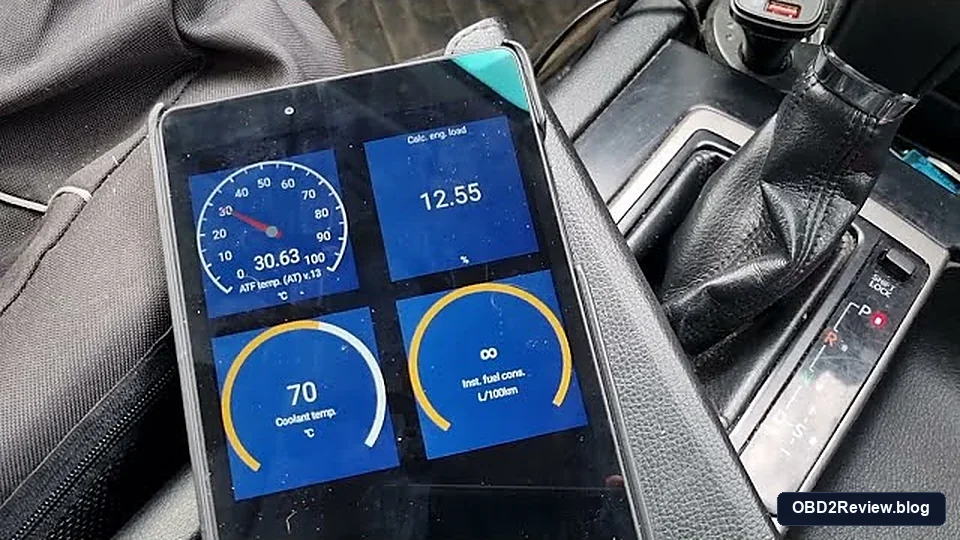
Heavy towing or aggressive mountain driving naturally elevates fluid friction and thermal loads. Maintain vigilant oversight during heavy loads to prevent irreversible damage to sensitive solenoid packs.
Overcooling presents equally severe operational challenges during freezing winter climate conditions. Ensure thermal bypass valves function correctly to allow proper warm-up cycles across all automotive drivetrains.
Normal operating temperatures for most modern automatic transmissions range between 175 and 200 degrees Fahrenheit. Sustained operations exceeding 240 degrees dramatically accelerate the breakdown of synthetic fluid additives and friction modifiers.
Severe thermal breakdown causes fluid to darken and emit a distinct burnt odor. This chemical alteration compromises hydraulic pressure generation and leads directly to accelerated clutch pack wear across all forward gears.
Operating transmissions below 130 degrees during cold weather can also cause sluggish shifts. Utilize a proper warm-up procedure to ensure safe viscosity levels before applying high loads to the drivetrain components.
- Ideal ranges sit under two hundred degrees.
- High heat destroys rubber seals quickly.
- Towing increases mechanical friction rapidly.
- Overcooling restricts proper hydraulic flow.
Video Walkthrough: Best Scan Tool for Toyota DIY Owners (Must-Have Feature)
Common Diagnostic Pitfalls and Troubleshooting
Intermittent communication drops frequently stem from loose adapter connections in the port. Clean terminal pins thoroughly if your scan tool fails to recognize specific powertrain modules.
Outdated application software often lacks proprietary PID definitions for newly released vehicle platforms. Regularly update your diagnostic software packages to prevent missing critical sensor data feeds.
Faulty thermistor wiring harnesses can generate erratic temperature readings on diagnostic displays. Inspect ground points and harness routing thoroughly before condemning expensive internal transmission control assemblies.
A common diagnostic error involves confusing engine coolant temperature with transmission fluid metrics. Technicians often utilize a reliable cheap obd2 scanner with abs and srs to verify dedicated transmission sensor streams rather than relying on ambient engine data.
Intermittent temperature spikes typically indicate a failing thermistor circuit or loose wiring harness pin. Inspect the main transmission pass-through connector for fluid intrusion which frequently causes erratic sensor resistance values.
If your scan tool displays a static minus forty reading, suspect an open circuit or broken sensor ground. Confirm continuity using a digital multimeter before condemning an expensive valve body assembly.
- Inspect diagnostic port pins for corrosion.
- Update mobile apps for new PID support.
- Check wiring harnesses for chafing damage.
- Verify module grounds before replacing parts.
Thermal Management and Routine Maintenance Standards
Periodic fluid flushes remove suspended clutch material and restore optimal heat transfer properties. Adhere strictly to recommended service intervals based on your specific severe duty operating conditions.
Auxiliary transmission coolers provide substantial thermal relief for vehicles used in heavy towing. Verify fluid volume levels after installing aftermarket cooling systems to prevent dangerous pressure drops.
Proactive thermal monitoring transforms reactive mechanical repairs into predictable preventative maintenance schedules. Keep detailed logs of peak operating temperatures to gauge long-term mechanical health and fluid longevity.
Maintaining proper transmission cooling requires periodic inspection of external lines and auxiliary heat exchangers. Ensure cooling fins remain free from road debris to guarantee maximum thermal dissipation efficiency during heavy hauling tasks.
Follow manufacturer guidelines for replacing transmission fluid every thirty to sixty thousand miles depending on operating conditions. Fresh fluid restores vital heat transfer properties essential for prolonging overall transmission lifespan.
Installing an aftermarket auxiliary cooler is highly recommended for vehicles frequently subjected to towing duties. This simple upgrade keeps operating temperatures safely below critical thresholds during sustained high-load driving conditions.
- Perform fluid flushes at recommended intervals.
- Install auxiliary coolers for towing applications.
- Monitor peak temperatures during test drives.
- Log maintenance history for better reliability.
Frequently Asked Questions
Can generic code readers show transmission fluid temperature?
Most basic code readers lack the software protocols required to access enhanced powertrain parameters. You will need an advanced diagnostic tool supporting manufacturer-specific PID queries.
What is the ideal operating temperature for automatic gearboxes?
Normal fluid temperatures generally fluctuate between one hundred seventy and two hundred degrees Fahrenheit. Sustained operation above two hundred twenty degrees will degrade synthetic fluid properties.
Why does my scanner show a static temperature reading?
A static reading often indicates a frozen data stream or a disconnected thermistor sensor. Verify your communication protocol settings and check for active powertrain fault codes.
Do I need to drive the vehicle to check fluid temperature?
Driving under normal load is necessary to achieve true operating thermal equilibrium. Idling in park rarely generates sufficient fluid friction to raise internal transmission temperatures.
Can low fluid levels cause abnormal temperature spikes?
Insufficient fluid volume severely reduces hydraulic cooling capacity and accelerates friction heat generation. Always check dipstick levels if you notice rapid thermal spikes during testing.