Can Obd2 Detect Bad Transmission Faults
Modern diagnostic tools interface with vehicle computers to read diagnostic trouble codes. This helps technicians isolate internal mechanical failures or electrical issues inside the gearbox.

Diagnostic scanners read specific Powertrain Trouble Codes stored by the control module. However, advanced internal mechanical wear often requires physical fluid inspections and pressure testing.
Looking for matching picks? See our Best Obd2 Scanner For Transmission Diagnostics: Top Picks.
Practical Quick-Reference Table
| Scenario / Metric | Recommended Target | Why It Matters |
|---|---|---|
| Fluid Temperature | 175°F to 200°F | Prevents premature clutch material breakdown. |
| Line Pressure | Manufacturer Spec | Ensures proper hydraulic clamping force. |
| Solenoid Resistance | 12 to 25 Ohms | Verifies electrical circuit integrity. |
| Shift Slip Ratio | Under 5 Percent | Detects internal clutch pack wear. |
| Battery Voltage | 12.6V Off / 14.2V On | Prevents false electronic control errors. |
| Update Rate | Under 50ms | Captures intermittent hydraulic drops. |
Diagnostic Capabilities and Limitations of Scanners
Standard OBD2 scanners primarily target emissions and engine faults across universal protocols. Reviewing can bus vs obd2 protocol differences helps technicians understand network communication speeds and module access.
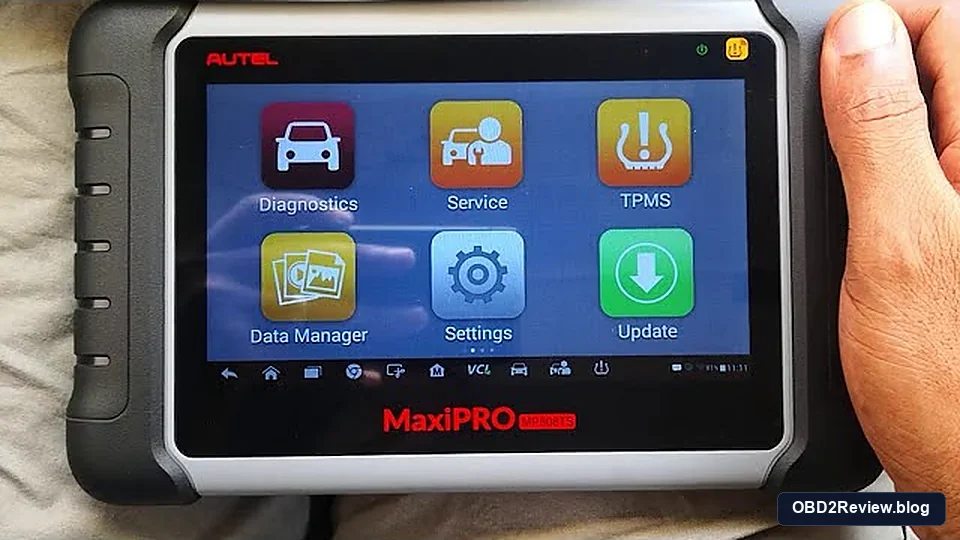
Electrical anomalies like faulty solenoids trigger immediate dashboard warnings and stored diagnostic trouble codes. Internal mechanical failures such as worn clutch packs often lack direct electronic sensors.
Scanners excel at identifying sensor failures, electrical circuit faults, and irregular shift patterns. Interpreting these digital signals requires combining scanner data with manual mechanical inspection techniques.
Understanding what diagnostic equipment can and cannot see prevents misdiagnosis during complex powertrain repairs. Technicians must differentiate between internal mechanical wear and external electronic sensor malfunctions.
- Scanners read electronic codes and live sensor data streams effectively.
- Internal mechanical damage relies on indirect slip ratio calculations.
- Basic generic readers often miss proprietary manufacturer transmission codes.
- Advanced bi-directional tools can command individual shift solenoids directly.
Differentiating Electrical and Mechanical Faults
Electrical problems generate precise voltage anomalies that trigger stored diagnostic trouble codes immediately. Mechanical failures produce subtle friction losses and pressure drops without electrical error codes.
Analyzing live sensor parameters helps bridge the gap between electrical and mechanical symptoms.
- Check for persistent P0700 series diagnostic trouble codes.
- Monitor actual gear engagement versus commanded gear states.
Reading Transmission Control Module Codes
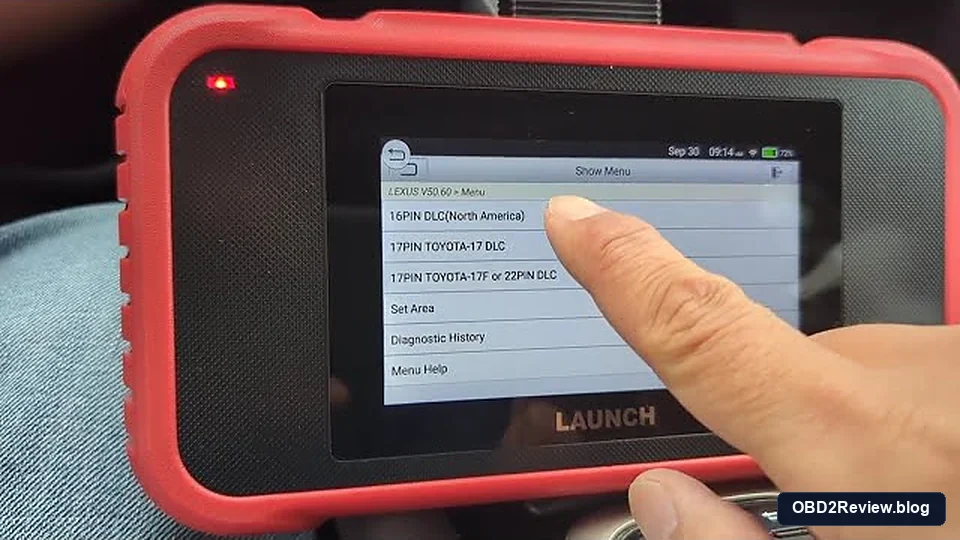
The transmission control module continuously monitors input and output shaft speed sensors constantly. When discrepancies occur, the computer stores specific alphanumeric codes in permanent memory.
Retrieving these codes requires plugging a compatible diagnostic scan tool into the dashboard port. Technicians must interpret these codes alongside vehicle service manuals for accurate troubleshooting.
Generic powertrain codes provide a basic starting point for identifying general shift malfunctions. Manufacturer-specific enhancement codes pinpoint exact component failures within complex hydraulic valve bodies.
Clearing codes without repairing the root cause will cause the warning light to return.
- Locate the standard diagnostic link connector beneath the driver side dash.
- Select manufacturer-specific diagnostic routines to access enhanced transmission data.
- Record all freeze-frame data associated with the stored trouble codes.
- Never ignore pending fault codes stored in temporary system memory.
Interpreting Diagnostic Trouble Code Categories
Diagnostic codes beginning with P0 are generic powertrain codes mandated by agencies. Using an online obd2 code decoder tool helps technicians identify manufacturer-specific faults quickly.
Proper categorization speeds up the repair workflow significantly.
- Group codes by electrical, hydraulic, or mechanical subsystems.
- Prioritize primary system faults over secondary symptom codes.
Video Walkthrough: Active scan tool: Testing transmission shift solenoids with Autel scanner
Monitoring Live Data and Sensor Metrics
Live data streaming allows technicians to observe operating fluid temperatures during active road testing. Excessive heat breaks down hydraulic fluid and damages internal rubber seals rapidly.
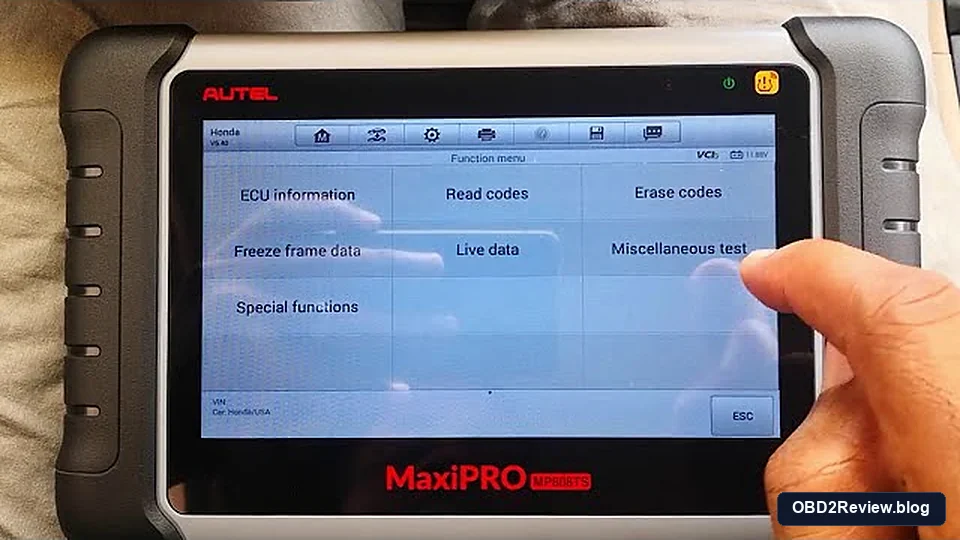
Input and output speed sensor metrics reveal whether the transmission is slipping under load. Comparing these two values exposes internal clutch wear before catastrophic failure occurs.
Commanded gear versus actual gear status highlights sluggish hydraulic valve body operation. If the transmission delays engagement, line pressure drops become immediately obvious on screen.
Tracking sensor metrics dynamically during test drives provides invaluable insight into real-world performance.
- Monitor fluid temperature to prevent thermal degradation and failure.
- Compare input and output shaft speeds to detect internal slip.
- Watch solenoid duty cycle percentages during active gear changes.
- Record live data logs for later analysis in the workshop.
Analyzing Slip Ratio Calculations
The powertrain control module calculates slip by comparing engine rpm to transmission output. A high variance indicates failing friction clutches or a slipping torque converter turbine.
Confirming this metric prevents unnecessary valve body replacements.
- Perform steady-state cruising tests at highway speeds.
- Note any sudden spikes in calculated slip percentages.
Step-by-Step Connection and Scanning Procedures
Begin the diagnostic process by ensuring the vehicle ignition is turned completely off. Connect the scan tool cable securely to the under-dash diagnostic link connector safely.
Turn the ignition key to the auxiliary position without starting the engine initially. Allow the diagnostic scanner to communicate with all available vehicle control modules automatically.
Navigate software menus to select enhanced powertrain diagnostics. Using the best obd2 scanner for transmission diagnostics ensures technicians retrieve active and pending trouble codes accurately.
Export or write down all retrieved codes before attempting any system resets.
- Verify secure physical connection of the diagnostic cable interface.
- Select correct vehicle year, make, model, and engine specifications.
- Run a comprehensive health report across all onboard computers.
- Document freeze-frame environmental conditions for every stored fault.
Executing Bi-Directional Actuation Tests
Bi-directional control allows technicians to command individual shift solenoids on and off. This active testing isolates electrical wiring issues from mechanical hydraulic pressure failures.
Listen carefully for distinct clicking sounds during active solenoid testing.
- Ensure parking brake is fully engaged before testing.
- Follow software prompts precisely to avoid component damage.
Common Diagnostic Pitfalls and False Positives
Low battery voltage frequently triggers false transmission fault codes across multiple modules. Always test the electrical charging system before condemning expensive internal transmission components.
Corroded ground straps create erratic sensor signals that mimic severe mechanical transmission failures. Inspect all wiring harnesses for heat damage, oil contamination, and chafing thoroughly.
Ignoring basic fluid condition while relying solely on electronic scanners causes misdiagnosis. Clean fluid does not guarantee healthy internal mechanical components or correct line pressure.
Double-check all external factors before recommending major transmission overhauls to customers.
- Test battery state of health and alternator output first.
- Inspect wiring harness connectors for corrosion and moisture intrusion.
- Never replace parts based on scanner codes without physical verification.
- Account for aftermarket tire sizes altering vehicle speed sensor data.
Addressing Controller Area Network Communication Errors
Communication errors between engine and transmission computers cause erratic shifting behavior. Diagnostic tools will often show lost communication codes when network resistance fluctuates.
Check termination resistors and bus wiring integrity carefully.
- Scan all modules for network-wide communication trouble codes.
- Inspect diagnostic port pins for spreading and corrosion.
Video Walkthrough: Diagnostics
Preventative Maintenance and Fluid Health Checks
Regular fluid analysis complements electronic diagnostic scanning by revealing microscopic wear debris. Dark fluid carrying a burnt odor indicates severe clutch friction material degradation.
Changing fluid prevents destructive varnish buildup on valve bodies. Reviewing can fd vs standard can obd2 protocols helps technicians evaluate data transfer speeds during thermal monitoring.
Physical dipstick inspections remain essential for evaluating fluid level and condition accurately. Low fluid levels cause aeration, pressure drops, and delayed gear engagement issues.
Combining physical maintenance routines with digital scanning ensures maximum transmission longevity.
- Inspect fluid color, clarity, and smell during every service.
- Replace internal filters alongside regular fluid change intervals.
- Monitor peak operating temperatures using live scanner data.
- Check for external leaks around cooler lines and seals.
Evaluating Fluid Contamination Signatures
Water contamination turns transmission fluid into a milky pink suspension immediately. This destroys friction linings and causes severe electrical short circuits within internal harnesses.
Immediate flushing and component replacement are required upon discovery.
- Check cooler integration within the main radiator tank.
- Sample fluid from the deepest pan sump area.
Safety Protocols During Powertrain Diagnostics
Always engage the heavy-duty parking brake and block wheels securely before running tests. Powertrain diagnostics often require elevated idle speeds or active gear engagement safely.
Keep hands and tools clear of rotating drive shafts and cooling fans constantly. High-pressure hydraulic lines and hot transmission fluid can cause severe personal injuries.
Work in well-ventilated areas to avoid hazardous exhaust fume accumulation indoors. Ensure diagnostic cables are routed away from hot exhaust manifolds and moving linkages.
Prioritizing workshop safety prevents accidents during complex vehicle diagnostic procedures.
- Engage mechanical wheel chocks before raising the vehicle.
- Wear appropriate eye protection and heat-resistant workshop gloves.
- Route scanner cables safely away from hot components.
- Verify transmission fluid temperature before opening test ports.
Handling Hot Fluid and Pressure Testing
Hydraulic pressure testing requires attaching mechanical gauges to live transmission test ports. Fluid temperatures often exceed standard operating thresholds during these rigorous diagnostic procedures.
Allow components to cool partially before removing threaded test plugs.
- Relieve residual system pressure before disconnecting test gauges.
- Wipe up any spilled fluid to prevent slip hazards.
Frequently Asked Questions
Can a basic code reader find transmission problems?
Basic code readers access generic powertrain trouble codes stored in the computer. However, they often miss manufacturer-specific transmission faults and live sensor data.
What diagnostic codes indicate a failing transmission?
Codes in the P0700 through P0800 range typically point toward transmission issues. These codes cover shift solenoids, component slipping, and incorrect gear ratios.
Why does my transmission slip if no codes appear?
Mechanical wear like worn clutch discs does not trigger electronic trouble codes. Physical fluid inspection and hydraulic pressure testing are required in these cases.
Can low battery voltage cause transmission fault codes?
Yes, unstable electrical voltage frequently sets false communication and solenoid error codes. Always verify charging system health before replacing transmission parts.
How does live data help diagnose gearbox failures?
Live data streams show fluid temperature, slip ratios, and commanded gear states. This real-time information isolates electrical sensor issues from internal mechanical failures.