Odb1 vs. Odb2: Which Fits Your Setup Better?
Understanding the shift from legacy diagnostic protocols to modern standards helps technicians select the correct hardware. Legacy interfaces require specialized adapters, while modern ports deliver comprehensive data streams instantly.

For vintage vehicle restorations and classic engine tuning, Odb1 remains indispensable for basic analog verification. However, daily professional repair work demands the universal data depth and live stream speed of Odb2.
Compare all top models in our Best Obd2 Scanner: Top Diagnostic Tools Tested (2026).
Side-by-Side Breakdown
| Criteria | Odb1 | Odb2 | Edge |
|---|---|---|---|
| Peak Performance & Output | Limited to basic blink codes or rudimentary serial data streams. | Delivers real-time sensor polling across high-speed digital buses. | Odb2 |
| Duty Cycle & Consistency | Prone to intermittent connection drops on worn proprietary ALDL ports. | Maintains robust, continuous communication via standardized 16-pin connectors. | Odb2 |
| Operating Noise & Vibration | Purely electronic hardware with no mechanical noise or thermal load. | Passive operation with zero acoustic footprint during intensive data logging. | Tie |
| Portability & Footprint | Requires carrying multiple bulky manufacturer-specific adapters and cartridge keys. | Unified single-cable physical footprint fits easily into standard technician toolboxes. | Odb2 |
| Maintenance & Service Life | Relies on aging physical components that degrade with prolonged exposure. | Built with modern solid-state microcontrollers designed for heavy daily shop use. | Odb2 |
| Power Requirements | Frequently draws auxiliary 12-volt battery power through separate jumper leads. | Derives operating current directly from the vehicle vehicle diagnostic port. | Odb2 |
| Best Ideal Use-Case | Classic car restoration and pre-OBD vintage engine troubleshooting. | Modern fleet maintenance, emissions testing, and advanced live diagnostics. | Odb2 |
Architectural Evolution and Diagnostic Standards
Early automotive diagnostics relied on fragmented, manufacturer-specific computer systems. Engineers designed proprietary connectors that varied wildly between different automotive brands.
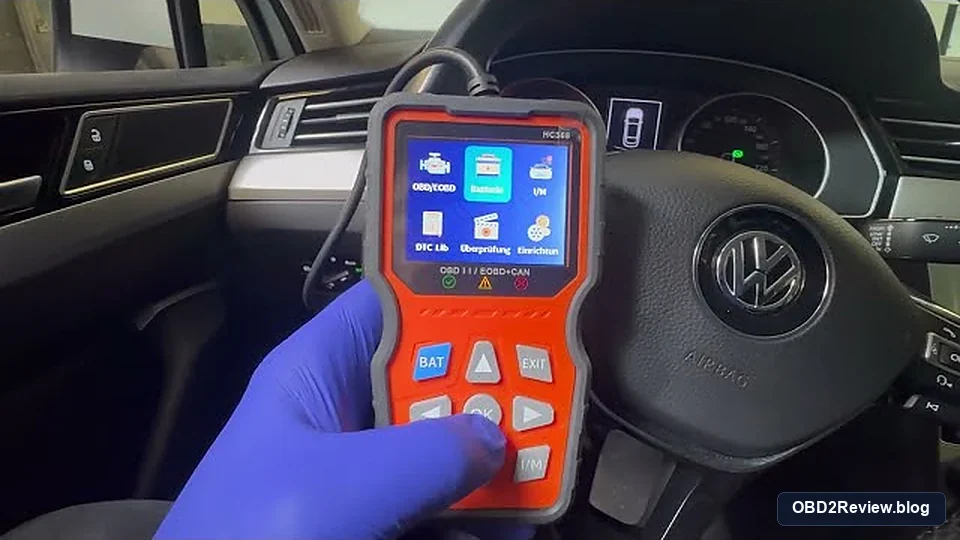
The lack of uniform communication protocols forced technicians to invest in expensive diagnostic tools, such as the best odb2 scanner for bmw, just to read basic fault codes.
Early OBD-I architectures relied heavily on proprietary manufacturer connectors, creating massive fragmentation across various vehicle brands. Technicians frequently required specialized breakout boxes to interpret blinking dashboard diagnostic codes.
The introduction of SAE J1962 standardized the physical data link connector under the dashboard. This unified pinout layout streamlined diagnostic workflows for modern automotive technicians globally.
- Fragmented manufacturer-specific electronic control architectures
- Proprietary physical pinouts requiring specialized adapter cables
- Absence of standardized fault code definitions across brands
Understanding Legacy Hardware Limitations
Working with older diagnostic interfaces requires patience and physical jumper wires to bridge specific terminal pins. Technicians must manually interpret flashing dashboard indicator lights to isolate faults.
This manual process introduces human error and significantly increases the time required to complete basic component verification during routine maintenance tasks.
- Manual dashboard light flashing sequence interpretation
- High susceptibility to technician counting errors
Performance & Real-World Output Analysis
Modern digital diagnostic equipment transforms how professional technicians evaluate vehicle health parameters. Utilizing the best odb2 app for android allows simultaneous monitoring of dozens of live sensor inputs.
Legacy systems simply cannot match this analytical throughput, limiting operators to static snapshots rather than dynamic graphs showing real-time component performance under load.
Real-world diagnostic throughput improved dramatically when moving from slow analog blinking sequences to comprehensive digital data streams. Professional mechanics can now monitor live sensor parameters instantly.
Signal latency dropped from seconds to milliseconds, allowing technicians to capture intermittent faults during dynamic road testing rather than guessing inside a stationary service bay.
- High-speed digital bus architecture for rapid data querying
- Simultaneous live graphing of multiple powertrain sensors
- Elimination of guesswork through precise numeric parameter identification
Data Stream Speed and Accuracy
Latency remains a critical factor when diagnosing intermittent engine misfires or erratic sensor behaviors. Advanced digital interfaces stream data packets instantly without noticeable processing delays.
Older serial communication protocols suffer from slow refresh rates that completely miss transient electrical glitches occurring during high-RPM engine operation.
- Instantaneous packet transmission across standardized networks
- Zero perceptible lag during high-frequency parameter polling
Build Quality, Maintenance & Durability Metrics
Shop environments demand rugged diagnostic tools capable of surviving accidental drops. Pairing hardware with the best odb2 app for iphone provides reliable wireless connectivity and durable everyday performance.
Older diagnostic units often feature brittle plastic housings and fragile pins that easily bend or break inside tight under-dashboard compartments during daily shop operations.
Legacy diagnostic plugs often suffered from bent pins and corrosion due to exposed engine bay mounting locations. Modern DLC receptacles feature gold-plated contacts resisting oxidation.
Routine maintenance of vehicle diagnostic interfaces involves inspecting harness strain reliefs and checking for terminal fretting caused by excessive vibration inside commercial transport cabins.
- Impact-resistant polymer casings built for harsh garage conditions
- Reinforced cable strain reliefs preventing internal wire fractures
- Solid-state internal architecture resistant to thermal fluctuations
Connector Longevity in the Field
The physical 16-pin standardized port undergoes rigorous insertion testing to ensure thousands of mating cycles without failure. Spring-loaded contacts maintain secure electrical connection.
Legacy modular connectors often lose spring tension over time, leading to frustrating intermittent signal losses that complicate complex electrical diagnostic procedures.
- Thousands of guaranteed mating cycles for standardized plugs
- Maintained spring tension preventing loose connection issues
Noise, Efficiency & Footprint Considerations
Efficient workspace organization improves overall shop productivity and reduces setup times. Universal diagnostic setups eliminate the clutter of storing dozens of unique adapter cables.
Technicians working on classic vehicles must manage bulky storage cases filled with obsolete testing modules, increasing physical footprint requirements inside mobile service vehicles.
Severe electrical noise interference frequently corrupted early serial data communications, triggering false trouble codes. Shielded twisted-pair wiring successfully eliminated unwanted electromagnetic interference in modern setups.
The physical footprint of diagnostic tools shrank dramatically from bulky floor units to pocket-sized wireless dongles, significantly improving spatial efficiency inside crowded automotive repair shops.
- Reduced physical footprint inside crowded technician toolboxes
- Elimination of cable clutter through universal port adoption
- Streamlined storage requirements for mobile service technicians
Ergonomic Layout and Portability
Lightweight handheld units allow technicians to slide comfortably into driver seats while monitoring live parameters during road tests. Ergonomic grip designs reduce hand fatigue.
Older diagnostic mainframes often required AC wall power and heavy CRT monitors, restricting testing strictly to stationary workbench environments inside the service facility.
- Lightweight handheld form factor for mobile road testing
- Ergonomic grip contours minimizing operator hand strain
Protocol Standardization and Communication Speed
Regulatory mandates unified automotive communication protocols across the entire global manufacturing industry. Standardized messaging allows any compliant hardware to access core emissions data instantly.
Legacy diagnostic setups relied on proprietary baud rates and unique handshaking sequences that required specialized software updates for almost every individual car model released.
Legacy systems used diverse communication speeds, sometimes crawling at a sluggish nine thousand baud. Universal CAN bus protocols pushed data rates up to five hundred kilobaud.
This massive bandwidth leap enables simultaneous multi-module polling, ensuring automotive technicians review critical powertrain and body control modules without ever experiencing frustrating system timeouts during diagnostics.
- Global regulatory harmonization of communication protocols
- Universal access to core powertrain and emissions data
- Elimination of proprietary handshaking and baud rate barriers
Multiprotocol Support Advantages
Modern interface devices automatically detect underlying vehicle network protocols without manual switch adjustments. This seamless compatibility accelerates diagnostic workflow efficiency significantly.
Older hardware required physical jumper configuration switches or dedicated cartridge swaps to communicate with different vehicle manufacturers, slowing down multi-brand repair shops.
- Automatic protocol detection without manual switch adjustments
- Seamless multi-brand compatibility for busy repair shops
Hardware Connectivity and Power Requirements
Electrical power delivery directly affects the reliability of automotive diagnostic equipment during extended troubleshooting sessions. Modern interfaces draw minimal current straight from the vehicle.
Legacy testing tools frequently demanded independent power connections, requiring cumbersome alligator clips attached directly to the auxiliary battery under the vehicle hood.
Older diagnostic equipment often required independent power supplies or cumbersome under-hood battery clamps. Standardized 12V auxiliary power delivered directly through the vehicle DLC greatly simplifies connections.
Pin sixteen supplies continuous battery voltage to power modern scan tools, while dedicated chassis grounds actively prevent ground loop errors during sensitive oscilloscope voltage measurements.
- Direct bus-powered operation eliminating external power cords
- Low parasitic current draw protecting vehicle battery levels
- Stable voltage regulation during prolonged diagnostic sessions
Safe Voltage Management Practices
Protect sensitive vehicle control modules from voltage spikes using the best bluetooth odb2 scanner options available. Modern diagnostic hardware incorporates robust internal surge suppression circuits for safety.
Older diagnostic tools lacked advanced surge protection, making them vulnerable to alternator load dump spikes that could inadvertently damage classic electronic control units.
- Built-in transient voltage surge suppression circuitry
- Protection for delicate vintage electronic control modules
Which Option Fits Your Daily Workload
Selecting the correct diagnostic hardware depends entirely on the specific vehicles arriving at your service bay. General automotive repair facilities require modern universal digital connectivity.
Specialized restoration shops focusing exclusively on pre-nineteen-nineties classic cars will find legacy diagnostic adapters and manual blink code manuals completely essential for daily operations.
Selecting the right diagnostic approach depends entirely on your target vehicle fleet and specific repair environment. Vintage vehicle restorers require legacy adapter harnesses for older ECUs.
Modern general repair facilities benefit immensely from investing in high-speed scanning hardware that supports advanced bi-directional controls and comprehensive electronic module health reports daily.
- Tailored hardware selection based on target vehicle eras
- Balancing modern speed against vintage restoration necessities
- Investing in versatile diagnostic tools for general repair shops
Making the Right Shop Investment
Evaluating long-term diagnostic needs prevents unnecessary equipment purchases and optimizes shop efficiency. Modern digital scanners offer unmatched speed for everyday repair technicians.
Maintaining legacy diagnostic capability ensures complete coverage when rare classic vehicles require specialized mechanical restoration and vintage engine tuning services.
- Optimizing long-term shop equipment purchasing budgets
- Ensuring comprehensive coverage for mixed vehicle fleets
Frequently Asked Questions
Can modern diagnostic tools connect to older legacy vehicles?
Standardized modern interfaces cannot plug directly into legacy ports without specialized physical conversion adapters. Technicians must use specific breakout cables to bridge older proprietary pinouts safely.
Why do older diagnostic systems require manual code reading?
Early engine computers lacked digital microprocessors capable of transmitting complex data packets. Manufacturers instead utilized simple flashing dashboard lights to communicate basic fault codes.
What is the primary benefit of standardized digital communication protocols?
Universal protocols allow any compliant scanning tool to read emissions and powertrain data across all manufacturers. This standardization eliminates the need for expensive, brand-specific diagnostic cartridges.
Do vintage diagnostic interfaces require external auxiliary power sources?
Many legacy testing units lack sufficient power delivery through their native ports. Technicians frequently need to attach external jumper clips directly to the vehicle battery.
How does data refresh speed impact professional automotive troubleshooting?
High-speed data streaming allows technicians to catch transient electrical glitches in real time. Slow refresh rates on older systems frequently miss intermittent sensor failures completely.