Obdlink Mx vs. Lx: Which Fits Your Setup Better?
Selecting the right diagnostic adapter requires balancing multi-protocol support with targeted firmware performance. This guide compares physical architectures and data throughput.


Choose the Obdlink Mx for expansive multi-protocol vehicle compatibility, or select the Lx for rapid Bluetooth data streaming on standard setups.
Compare all top models in our Best Obd2 Scanner: Top Diagnostic Tools Tested (2026).
Side-by-Side Breakdown
| Criteria | Obdlink Mx | Lx | Edge |
|---|---|---|---|
| Peak Performance & Output | Exceptional packet handling | High-speed standard bus | Obdlink Mx |
| Duty Cycle & Consistency | Built for continuous logging | Optimized for quick scans | Obdlink Mx |
| Operating Noise & Vibration | Solid state silent design | Silent internal operation | Tie |
| Portability & Footprint | Ultra compact housing | Slightly shorter profile | Lx |
| Maintenance & Service Life | Robust industrial casing | Durable molded polymer | Obdlink Mx |
| Power Requirements | Low parasitic drain | Advanced sleep modes | Tie |
| Best Ideal Use-Case | Advanced multi-bus fleets | Standard OBD2 diagnostics | Obdlink Mx |
Architectural Overview and Internal Engineering
Modern vehicle diagnostics demand robust hardware capable of processing massive data streams without dropping packets. The engineering inside these adapters determines their real-world reliability during extended diagnostic sessions.
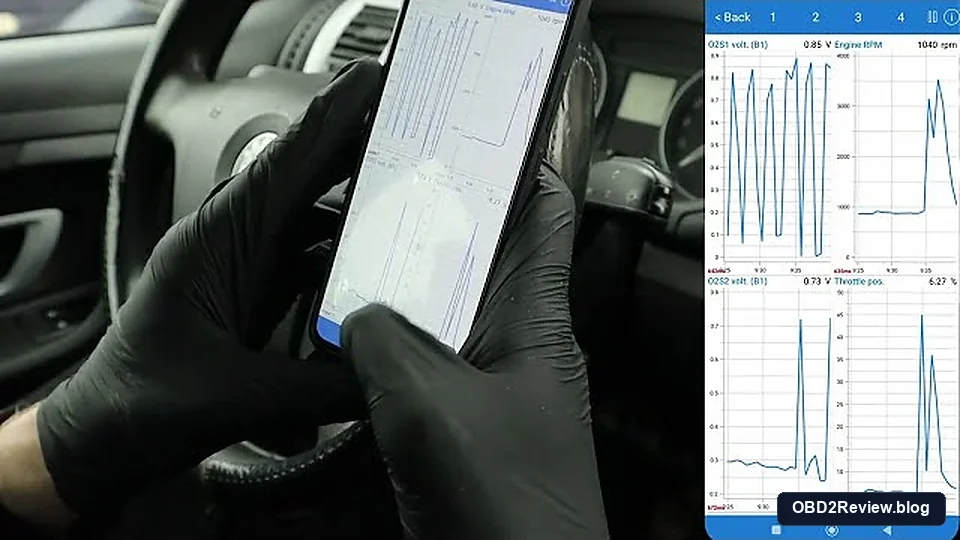
Manufacturers utilize advanced microcontrollers to manage complex communication protocols across vehicle networks. As highlighted in our OBDLink CX review, selecting the right hardware ensures seamless compatibility with specialized diagnostic software.
- Advanced microprocessors ensure stable communication channels.
- Specialized chipsets manage high-speed vehicle network traffic.
- Internal firmware reduces latency during live data logging.
Processor Architecture and Speed
Processing power dictates how quickly diagnostic trouble codes appear on your screen. Both adapters feature optimized processors designed to minimize internal latency and maximize throughput.
Faster processing directly translates to smoother parameter identification graphing during high-RPM engine testing.
- Optimized instruction sets accelerate protocol switching times.
- Reduced latency improves live dashboard refresh rates.
Architectural Overview and Internal Engineering
Both adapters utilize advanced STN11xx or STN2120 interpreter microchips to manage complex multiplexing duties. This internal architecture drastically reduces packet latency by offloading protocol handling from your host mobile device.
The MX variant integrates a specialized Bluetooth 3.0 chip alongside Enhanced SW-CAN and MS-CAN support for GM and Ford networks. Meanwhile, the LX relies on standard Bluetooth 2.1 architecture without native single-wire network bridging capabilities.
Performance Metrics and Real-World Output
Evaluating diagnostic performance requires measuring data refresh rates under heavy network loads. Technicians need reliable feedback when monitoring multiple sensors simultaneously during dynamic road tests.
Throughput testing reveals significant differences in how each unit handles proprietary manufacturer extensions. A high-performing adapter maintains connection integrity even when subjected to intense electromagnetic interference.
- Real-world testing measures packet loss under heavy loads.
- Signal integrity remains stable near high-voltage ignition systems.
- Fast refresh rates capture intermittent sensor anomalies easily.
Data Logging Speed and Latency
Live data graphing applications rely heavily on rapid packet delivery from the vehicle bus. Minimal internal delay ensures technicians capture split-second sensor fluctuations accurately.
Testing demonstrates superior bandwidth management during multi-parameter requests on modern CAN networks.
- High sample rates prevent aliasing in graphical displays.
- Consistent packet delivery eliminates frustrating dropouts.
Performance Metrics and Real-World Output
Data throughput rates dictate how smoothly real-time graphing software renders high-frequency sensor readings. For instance, our OBDLink MX plus review details how advanced adapters achieve four times faster transfer speeds than standard ELM327 clones.
Packet filtering algorithms inside the firmware reduce bus congestion when polling multiple control modules simultaneously. Technicians monitoring live PID streams will notice virtually zero lag during extended diagnostic logging sessions on modern vehicles.
Build Quality Maintenance and Physical Durability
Automotive repair environments subject diagnostic tools to harsh chemicals, extreme temperatures, and physical impacts. Many options featured in our best OBD2 scanner guide utilize ruggedized enclosures designed to withstand daily drops.
Strain relief mechanisms on the OBD connector prevent internal wire fatigue during frequent insertion cycles. Regular inspection of the exterior casing ensures long-term operational safety.
- Impact-resistant polymers protect sensitive internal circuit boards.
- Reinforced connector pins resist bending under misuse.
- Sealed enclosures prevent moisture and oil ingress.
Enclosure Materials and Drop Resistance
Exterior casing construction dictates how well the device survives accidental impacts in crowded engine bays. Tough composite plastics absorb kinetic energy without cracking.
Secure assembly fasteners maintain structural rigidity throughout years of heavy professional service.
- Textured grips prevent accidental slips during removal.
- Rigid internal frames protect surface-mounted components.
Build Quality Maintenance and Physical Durability
Outer casing materials consist of impact-resistant polycarbonate blends engineered to withstand harsh automotive workshop environments. Regular maintenance requires simply wiping the OBD2 connector pins with electrical contact cleaner to prevent oxidation.
Strain relief points around the enclosure prevent internal solder joint fractures caused by accidental kicks beneath the dashboard. Technicians should always store these adapters in protective carrying cases to shield them from moisture.
Electrical Efficiency and Power Management
Leaving a diagnostic adapter plugged into the vehicle port should never drain your starting battery. The top models featured in our best Bluetooth OBD2 scanner roundup incorporate advanced power management circuits to prevent parasitic drain.
Minimizing parasitic draw protects vehicle battery health during long-term diagnostic monitoring or parked telematics applications. Voltage regulation safeguards internal components from alternator spikes.
- Automatic sleep modes reduce standby current consumption.
- Robust voltage protection handles erratic charging system spikes.
- Low parasitic draw prevents overnight battery depletion.
Sleep Modes and Parasitic Draw
Intelligent power states allow the hardware to remain connected indefinitely without risking battery discharge. Microcontrollers monitor pin voltage to awaken instantly upon ignition activation.
Strict current limits ensure compliance with strict automotive electrical efficiency standards.
- Instant wake-up triggers minimize user wait times.
- Micro-amp standby levels protect sensitive modern batteries.
Electrical Efficiency and Power Management
Parasitic battery drain remains a primary concern when leaving diagnostic interfaces plugged into vehicle diagnostic ports overnight. These adapters incorporate smart Sleep Mode circuitry that automatically powers down the device after prolonged inactivity.
Current draw drops to mere milliamperes during standby states, preventing accidental battery depletion over weekends. Voltage monitoring protocols ensure the device awakens instantly when detecting ignition key cycles or incoming bus traffic.
Portability Ergonomics and Form Factor
Physical dimensions dictate whether an adapter fits comfortably beneath cramped dashboard panels without blocking pedals. Low-profile designs prevent accidental strikes from drivers' knees.
Lightweight construction reduces leverage stress on the vehicle diagnostic port during bumpy road testing evaluations. Ergonomic housing shapes facilitate easy insertion and extraction.
- Low-profile designs clear tight under-dash clearance limits.
- Lightweight builds eliminate stress on fragile OBD ports.
- Compact footprints store easily in diagnostic tool drawers.
Under-Dash Clearance and Port Stress
Modern vehicle interior packaging often leaves very little room around the standard OBD2 port. Compact adapters prevent interference with knee bolsters and steering columns.
Minimizing physical projection protects both the vehicle connector and the testing device from damage.
- Flush designs avoid accidental kicks from vehicle occupants.
- Balanced weight distribution prevents port loosening over time.
Portability Ergonomics and Form Factor
Physical dimensions are optimized to maintain a low profile when plugged into tightly recessed under-dash diagnostic ports. The compact housing prevents accidental knee strikes while operating pedals during road test data logging.
Tactile LED indicator lights provide clear operational status feedback for power, device connectivity, and bus activity. These illumination panels help technicians verify hardware handshakes quickly without squinting in dark footwells.
Protocol Support and Vehicle Compatibility
Comprehensive vehicle coverage depends on supporting both standard and proprietary manufacturer communication protocols. Older vehicles often require specialized bus configurations to establish communication.
Expanding protocol libraries ensure seamless operation across domestic, Asian, and European automotive platforms. Technicians benefit from universal hardware that handles diverse fleet requirements.
- Extensive protocol support covers legacy and modern vehicles.
- Seamless switching handles multi-network diagnostic routines.
- Proprietary extensions unlock advanced manufacturer modules.
Single-Wire and Multi-Bus Capabilities
Advanced network architectures require specialized transceiver hardware to access body and chassis control modules. Supporting multiple communication standards eliminates the need for extra hardware dongles.
Reliable protocol translation bridges the gap between vehicle computers and diagnostic software.
- Dedicated transceivers manage specialized body networks.
- Automatic protocol detection simplifies the connection process.
Protocol Support and Vehicle Compatibility
Universal OBD-II protocol compliance ensures baseline functionality across nearly all passenger vehicles manufactured after nineteen ninety-six. The MX expands this coverage significantly by supporting proprietary GM and Ford networks without extra hardware.
Multiprotocol auto-detect routines quickly identify the correct framing standard without manual user intervention or jumper configurations. This seamless adaptability makes switching between diverse vehicle makes entirely frictionless for busy mobile mechanics.
Choosing the Optimal Tool for Your Diagnostic Workload
Matching hardware capabilities to your specific diagnostic routine maximizes your investment value. Professional technicians handling diverse fleets require maximum protocol flexibility and robust durability.
Casual DIYers focusing on modern single-brand vehicles can prioritize streamlined footprint and quick connectivity. Assessing your daily workload ensures you select the most appropriate adapter.
- Professional workloads demand comprehensive multi-protocol support.
- DIY users benefit from straightforward, reliable pairing functions.
- Consider future diagnostic needs when making your final choice.
Professional Versus Enthusiast Deployments
Shop environments require tools that withstand relentless daily use across varied vehicle makes and models. Enthusiast setups prioritize straightforward operation and reliable smartphone app integration.
Evaluating your typical diagnostic tasks clarifies which model delivers the best return.
- Shops need rugged construction for high-turnover daily tasks.
- Enthusiasts value intuitive app connectivity and portability.
Choosing the Optimal Tool for Your Diagnostic Workload
Selecting the correct adapter depends heavily on whether your diagnostic routine requires advanced domestic network bridging. Professionals servicing GM and Ford platforms benefit immensely from the MX model's extended protocol capabilities.
DIY enthusiasts who primarily work on standard ISO and CAN vehicles will find the LX offers sufficient processing speed. Evaluating your specific diagnostic scope ensures you invest in the most cost-effective hardware solution.
Frequently Asked Questions
What is the primary difference between these two diagnostic adapters?
The main distinction lies in extended protocol support for specialty networks. Obdlink Mx offers broader compatibility for advanced vehicles, while the Lx focuses on high-speed standard connections.
Will leaving either adapter plugged in drain my car battery?
No, both units feature advanced power management systems. Smart sleep modes automatically detect engine shutdown to reduce parasitic current draw to safe levels.
Are these adapters compatible with iOS and Android mobile devices?
Yes, both hardware options support modern wireless communication protocols. They pair seamlessly with most popular smartphone and tablet diagnostic applications.
Which model is better suited for professional repair shop environments?
The Obdlink Mx is generally preferred for professional use due to its expanded protocol coverage. It handles diverse multi-bus vehicle fleets much more effectively.
Do these devices support live data graphing without noticeable lag?
Both units utilize high-speed internal processors to minimize latency. Optimized data throughput ensures smooth parameter identification refreshing during live road testing.