Obd1 vs. Obd2 Port: Which Fits Your Setup Better?
Understanding the fundamental engineering differences between legacy diagnostic connectors and standardized modern ports determines efficient workshop troubleshooting workflows.


Modern technicians should rely primarily on the standardized OBD2 port for comprehensive diagnostics, reserving OBD1 systems strictly for vintage vehicle restoration and specialized legacy repairs.
Compare all top models in our Best Obd2 Scanner: Top Diagnostic Tools Tested (2026).
Side-by-Side Breakdown
| Criteria | Obd1 | Obd2 Port | Edge |
|---|---|---|---|
| Peak Performance & Output | Basic analog fault code blinking | Advanced digital parameter tracking | Obd2 Port |
| Duty Cycle & Consistency | Prone to proprietary signal drops | Reliable continuous data streaming | Obd2 Port |
| Operating Noise & Vibration | High physical connector looseness | Secure locking pin integration | Obd2 Port |
| Portability & Footprint | Bulky manufacturer-specific adapters | Universal standardized under-dash layout | Obd2 Port |
| Maintenance & Service Life | Fragile pins and corroded wiring | Gold-plated robust terminal contacts | Obd2 Port |
| Power Requirements | External battery hooks often needed | Direct 12V constant line supply | Obd2 Port |
| Best Ideal Use-Case | Pre-1996 classic car restoration | Modern daily fleet diagnostics | Obd2 Port |
Historical Architecture and Protocol Foundations
Legacy vehicle electronics relied heavily on proprietary manufacturer designs before regulatory standardization. Engineers built unique diagnostic interfaces for every individual car brand.
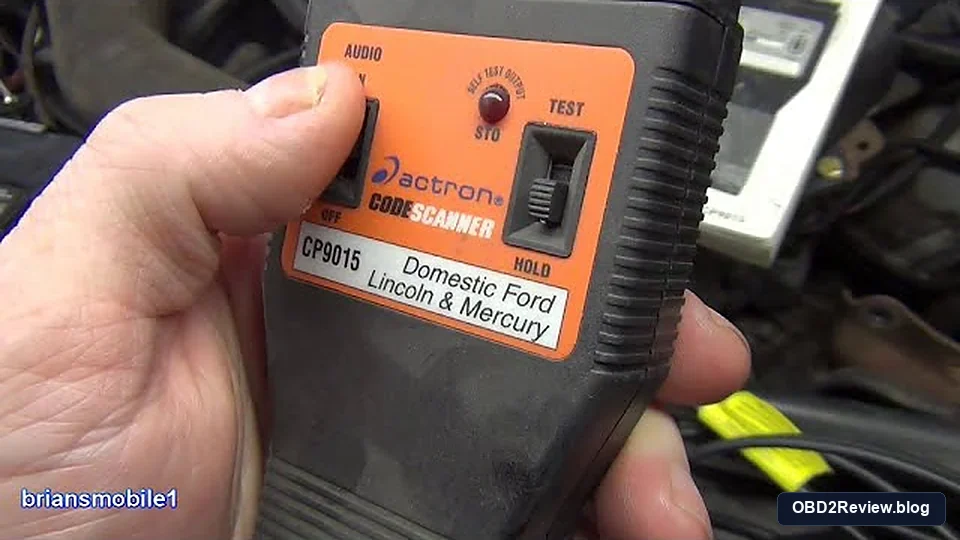
Early diagnostic connectors lacked unified communication protocols across different automotive assembly plants. Mechanics often relied on adapters rather than modern wireless tools evaluated in our best obd2 bluetooth scanners roundup.
The introduction of standardized under-dash interfaces revolutionized automotive service operations globally. Technicians gained the ability to plug a single scanning tool into vastly different vehicle models.
Early automotive diagnostics relied on fragmented, custom blink codes and proprietary data links. Engineers lacked unified baud rates and standard pinouts, forcing technicians to stock dozens of unique adapters for basic engine troubleshooting.
The transition to standardized architectures mandated fixed communication protocols like ISO 9141-2 and SAE J1850. This shift eliminated guesswork, allowing a single generic scan tool to interface with diverse powertrain control modules across different global brands.
Understanding these foundational layers helps modern technicians diagnose legacy vehicles efficiently. Recognizing voltage thresholds on line based networks prevents accidental ECU damage while probing vintage wiring harnesses during complex intermittent electrical fault investigations today.
- Proprietary wiring harnesses dominated pre-1996 automotive engineering.
- Standardized interfaces reduced manufacturer diagnostic monopoly practices.
- Universal pinouts streamlined multi-brand repair shop workflows.
Evolution of Manufacturer Specific Protocols
Early systems utilized custom blink-code sequences flashed through dashboard check engine lights. Technicians had to manually count pulses to identify specific mechanical failures.
Later legacy iterations introduced primitive serial data transmission rates over copper wires. These early digital signals lacked the speed required for modern real-time engine analysis.
- Blink codes required extensive manual reference manual lookups.
- Primitive serial lines suffered from high electrical interference.
Diagnostic Capabilities and Live Data Streams
Modern diagnostic ports stream hundreds of live parameters simultaneously directly to handheld scan tools. Mechanics view fuel trim percentages, sensor voltages, and ignition timing instantly.
Legacy diagnostic links typically output limited static parameters without high-speed refresh rates. Real-time sensor graphing remains virtually impossible on older analog control modules.
Advanced bidirectional controls allow technicians to actuate components directly through the standardized under-dash port. Older setups restricted operators to reading passive sensor outputs without active testing.
First generation systems offered rudimentary snapshot data, capturing basic sensor readings only when a diagnostic trouble code triggered. Mechanics missed crucial transient anomalies because continuous parameter IDs were largely unavailable on older proprietary networks.
Modern interfaces stream live variables simultaneously via high speed Controller Area Networks. Technicians analyze real time fuel trim percentages, oxygen sensor switching speeds, and manifold absolute pressure values with millisecond update frequencies for precision diagnostics.
Leveraging high speed data streams drastically reduces diagnostic time by exposing intermittent misfires instantly. Advanced graphing functions allow specialists to correlate camshaft correlation errors directly with variable valve timing actuator response graphs under heavy load.
- Live data streaming enables accurate intermittent fault isolation.
- Bidirectional testing commands actuators directly from the driver seat.
- Legacy links lack the bandwidth for comprehensive sensor graphing.
Bandwidth Limitations in Legacy Systems
Low baud rates restrict the volume of data transmitted during active diagnostic sessions. Technicians wait several seconds for simple parameter updates to refresh.
High-speed digital buses eliminate frustrating latency during intense troubleshooting procedures on modern vehicles.
- Low baud rates create noticeable diagnostic tool lag.
- Modern digital buses handle heavy data loads effortlessly.
Electrical Integration and Power Management
Standardized modern interfaces supply continuous twelve-volt power directly from the vehicle battery. Diagnostic scanners power on instantly without requiring auxiliary battery clamps or cigarette lighter adapters.
Older diagnostic connectors frequently required separate power jumpers or dedicated auxiliary power sources. Technicians spent valuable time wiring temporary power leads before initiating scans.
Circuit protection fuses integrated into modern under-dash ports prevent catastrophic scan tool damage. Legacy setups often lacked dedicated fusing, risking expensive electrical short circuits.
Diagnostic links require robust power management to protect sensitive internal microprocessors from severe voltage spikes. Older hookups often lacked dedicated fusing, creating serious fire hazards when aftermarket accessories shorted against battery positive circuits inside cabins.
Current standard layouts supply unswitched battery voltage alongside ignition switched power safely through dedicated cavity pins. This architecture ensures tools tested in our best obd2 scanner review maintain memory during cranking while drawing minimal current.
Proper circuit grounding remains critical for maintaining signal integrity across multiplexed communication buses. Mechanics must verify negligible resistance between chassis ground and connector housing pins to prevent erratic data packet corruption during deep module scans.
- Integrated power pins eliminate auxiliary battery hookups.
- Dedicated fuse protection safeguards expensive diagnostic hardware investments.
- Legacy setups frequently demanded tedious manual power source routing.
Voltage Regulation and Signal Integrity
Stable voltage regulation within modern ports ensures accurate analog-to-digital sensor conversions. Fluctuations rarely corrupt incoming diagnostic data packets.
Unfiltered power lines on older vehicles often introduce electrical noise into sensitive testing equipment.
- Regulated power supplies protect delicate internal scanner microchips.
- Unfiltered lines risk data corruption during complex diagnostic scans.
Hardware Durability and Connector Wear Patterns
Frequent plugging and unplugging cause significant mechanical wear on under-dash plastic housings. High-quality pins ensure thousands of mating cycles without loss of electrical contact pressure.
Legacy diagnostic connectors often utilized brittle plastics that crack under normal workshop stress. Corroded metal terminals inside older engine bays create intermittent communication dropouts.
Proper maintenance of terminal pins involves cleaning debris and applying protective dielectric grease regularly. This simple preventative measure extends connector service life in harsh environments.
Physical connector durability dictates long term reliability in busy commercial repair facilities. Vintage round ports often suffered from bent pins and fragile retention collars, failing prematurely after repeated insertions of heavy diagnostic adapter cables daily.
The trapezoidal interface design incorporates shielded spring loaded contacts engineered to withstand thousands of mating cycles. Technicians must still inspect female terminal tension periodically to prevent intermittent connection drops caused by contact fatigue over years.
Environmental exposure beneath dashboard panels introduces dust, moisture, and corrosion risks to exposed receptacle pins. Applying dielectric grease during routine maintenance preserves metal to metal contact integrity and extends the operational lifespan of the vehicle interface port.
- Durable terminal pins withstand heavy daily repair shop usage.
- Brittle legacy plastics crack easily under workshop pressure.
- Dielectric grease prevents oxidation on frequently used terminal pins.
Physical Ergonomics and Workspace Layout
Standardized mounting locations under the driver side dashboard improve daily technician ergonomics. Mechanics connect scan tools quickly without crawling under complex hoods.
Hidden legacy ports scattered inside engine compartments complicate routine maintenance and testing procedures.
- Under-dash placement optimizes daily technician workflow efficiency.
- Engine bay ports expose connectors to extreme heat and oil.
Interface Standardization and Software Ecosystems
Global regulatory mandates forced automotive manufacturers to adopt universal diagnostic communication standards uniformly. Independent repair shops no longer need expensive brand-specific tool sets for basic tasks.
Open-source software developments thrive around modern standardized digital communication protocols. Developers create versatile mobile applications that interface seamlessly with inexpensive wireless diagnostic adapters.
Legacy software requires proprietary cartridges and specialized cartridge readers that quickly become obsolete. Finding working software updates for vintage diagnostic hardware proves extremely challenging.
Proprietary software ecosystems previously locked independent repair shops out of advanced manufacturer specific functional tests. Technicians needed expensive, brand exclusive consoles just to perform routine maintenance resets or bidirectional actuator tests on late model vehicles.
Universal interface standards democratized access by establishing mandatory emissions compliance protocols and open API architectures. Third party software developers now build sophisticated diagnostic applications running seamlessly on standard mobile devices and ruggedized workshop tablets.
Maintaining compatibility across evolving software versions requires regular firmware updates for all diagnostic hardware featured in our best professional obd2 scanner guide. Ensuring seamless translation between legacy commands and modern Ethernet networks keeps workshops operating efficiently.
- Universal standards democratize access to essential vehicle repair data.
- Wireless adapters leverage modern smartphone software ecosystems efficiently.
- Proprietary legacy cartridges become obsolete and difficult to replace.
Third-Party Tool Compatibility and Flexibility
Universal port designs allow aftermarket tool manufacturers to innovate rapidly and affordably. Consumers benefit from fierce competition resulting in feature-rich diagnostic hardware.
Closed legacy ecosystems locked vehicle owners into expensive dealership service monopoly networks.
- Aftermarket competition drives down diagnostic hardware acquisition costs.
- Closed ecosystems restricted vehicle owners to dealership repairs.
Troubleshooting Efficiency and Diagnostic Speed
Time is money in professional automotive repair facilities operating under strict customer deadlines. Standardized digital ports cut initial diagnostic scanning times down to mere seconds.
Legacy troubleshooting requires manual wire tracing, voltmeter testing, and reference chart consultations. These tedious procedures increase overall labor hours per repair order significantly.
Streamlined fault code retrieval systems let technicians focus on actual mechanical repairs. Less time spent deciphering blinking dash lights means higher daily shop productivity.
Diagnostic speed depends heavily on bus bandwidth and protocol efficiency during complex module queries. Slow legacy transfer rates forced technicians to wait minutes just to pull basic fault codes from a single engine management computer module.
High speed communication buses query dozens of vehicle modules simultaneously in mere seconds. Automated network topology mapping tools instantly highlight failed communication nodes, allowing technicians to bypass tedious manual continuity testing for broken data lines.
Experienced mechanics leverage advanced shortcut commands within modern diagnostic software to isolate root causes quickly. Combining rapid trouble code retrieval with guided component testing significantly minimizes overall labor times for complex electrical diagnostics.
- Instant fault code retrieval accelerates vehicle turnaround times.
- Manual troubleshooting increases total labor hours on complex repairs.
- Streamlined workflows boost overall workshop diagnostic capacity daily.
Minimizing Human Error During Fault Isolation
Automated diagnostic trouble code descriptions eliminate subjective manual interpretation mistakes. Technicians review exact standardized definitions rather than guessing engine conditions.
Legacy blink codes frequently led to misdiagnoses due to counting errors.
- Automated descriptions prevent costly technician misdiagnosis mistakes.
- Subjective counting methods introduced severe human error risks.
Selecting the Ideal Diagnostic Protocol Strategy
Choosing between legacy and modern diagnostic strategies depends entirely on your vehicle fleet. Daily driver maintenance demands reliable universal under-dash port compatibility.
Restoring classic vintage automobiles requires investing in specialized legacy adapters and service manuals. Understanding both systems ensures complete mechanical competency across all eras.
Equipping your workshop with multi-protocol breakout boxes bridges the gap between generations. Modern technicians must adapt fluidly to changing automotive electronic architectures.
Choosing the correct diagnostic strategy requires evaluating vehicle architecture age and network complexity thoroughly. Mechanics working on mixed fleets must utilize multi protocol adapters capable of bridging legacy slow speed lines with ultra fast modern networks.
Technicians should prioritize hardware that supports secure gateway bypass protocols to service modern protected vehicles. Selecting versatile diagnostic equipment ensures seamless coverage from vintage manufacturer specific links up to cutting edge DoIP communication standards.
Investing in future proof diagnostic tools protects workshop profitability against rapidly shifting automotive electronic architectures. Understanding protocol limitations enables accurate tool selection, ensuring technicians never encounter dead ends while diagnosing challenging vehicle faults.
- Match your diagnostic hardware investment to your vehicle fleet.
- Vintage restorations demand dedicated legacy adapter inventories.
- Multi-protocol breakout boxes bridge historical and modern repair needs.
Future-Proofing Your Automotive Tool Inventory
Investing in modular diagnostic tools with expandable protocol cards safeguards your workshop budget. Future vehicle updates require adaptable hardware capable of handling evolving communication networks.
Outdated single-purpose scanners quickly clutter workbench storage shelves permanently.
- Modular diagnostic tools adapt easily to future protocol changes.
- Expandable hardware protects long-term workshop equipment budgets.
Frequently Asked Questions
Can modern scanners connect directly to legacy vehicle ports?
Standard modern scanners require physical adapter cables to interface with older legacy connectors. Specialized pin converters bridge the wiring differences between generations.
Why did automotive engineers replace old legacy plugs?
Engineers needed faster data transfer rates and standardized emissions reporting across brands. Regulatory mandates eliminated proprietary manufacturer diagnostic monopolies successfully.
Do legacy systems support live sensor graphing capabilities?
Legacy systems lack the necessary electrical bandwidth for real-time sensor graphing. Analog signals provide only basic static values without high-speed refresh rates.
Where is the standard interface located on modern cars?
Manufacturers mount the standardized port underneath the driver side dashboard area. Easy physical access allows mechanics to connect tools without removing panels.
How do you maintain terminal pins in older vehicle harnesses?
Inspect terminals regularly for corrosion and clean debris using electrical contact cleaner. Applying dielectric grease prevents future oxidation in harsh environments.