Obd1 vs. Obd2 Connector: Which Fits Your Setup Better?
Understanding the physical and protocol shift from legacy diagnostic interfaces to standardized global ports reveals massive architectural gains. Mechanics and technicians must navigate distinct pinouts, voltage thresholds, and communication standards.


The OBD2 connector completely dominates modern diagnostic workflows through universal standardization and robust data transfer speeds. Meanwhile, legacy OBD1 systems remain strictly relegated to specialized vintage vehicle restorations and outdated proprietary port troubleshooting.
Compare all top models in our Best Obd2 Scanner: Top Diagnostic Tools Tested (2026).
Side-by-Side Breakdown
| Criteria | Obd1 | Obd2 Connector | Edge |
|---|---|---|---|
| Peak Performance & Output | Proprietary baud rates & limited data packets | High-speed digital streaming & multi-protocol bandwidth | OBD2 Connector |
| Duty Cycle & Consistency | Variable manufacturer compliance & frequent dropouts | Robust continuous monitoring & stable signal integrity | OBD2 Connector |
| Operating Noise & Vibration | Prone to loose terminal pins & poor shielding | Secure latching mechanism & EMI-resistant housing | OBD2 Connector |
| Portability & Footprint | Bulky under-hood locations & varied form factors | Standardized driver-side cabin placement & compact size | OBD2 Connector |
| Maintenance & Service Life | High mechanical wear on fragile adapter pins | Engineered for thousands of reliable mating cycles | OBD2 Connector |
| Power Requirements | Direct battery auxiliary lines & inconsistent fusing | 12V continuous bus power with dedicated protection | OBD2 Connector |
| Best Ideal Use-Case | Restoring pre-federalized vintage automotive platforms | Universal daily fleet diagnostics & emissions testing | OBD2 Connector |
Architectural Evolution and Pinout Design
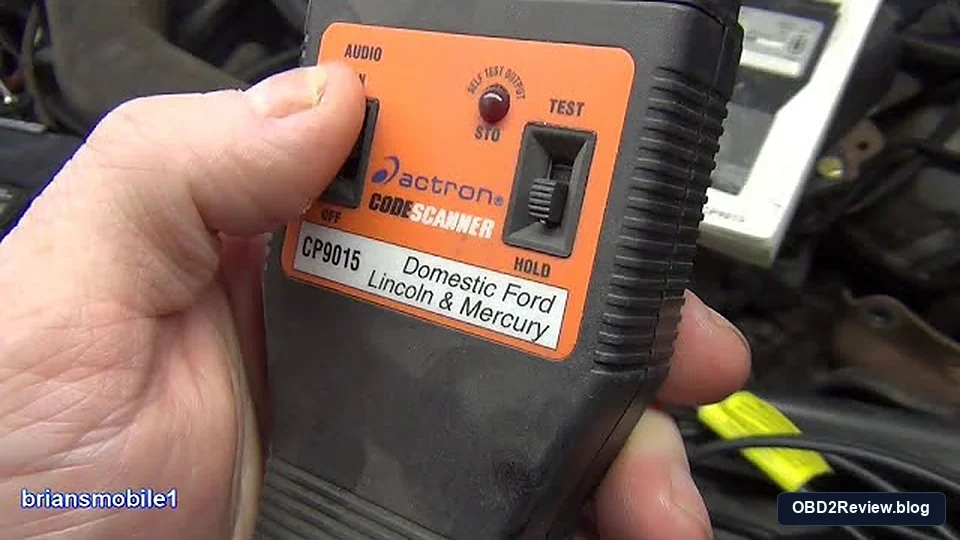
Legacy diagnostic setups relied heavily on non-standardized under-hood ports unique to each automotive brand. Technicians faced steep learning curves deciphering proprietary pinout configurations across different manufacturing plants and model years.
The global standardization initiative replaced chaotic manufacturer layouts with a mandatory sixteen-pin trapezoidal interface located conveniently beneath the dashboard. This uniform physical geometry drastically streamlined tool compatibility across diverse global automotive manufacturers.
- Unique manufacturer pinouts required dedicated adapter cables.
- Standardized sixteen-pin layout eliminated dashboard clutter.
- Driver-side cabin placement improved ergonomic technician access.
Pin Assignment and Layout Variations
Early generation terminals often lacked dedicated ground loops, leading to intermittent signal reading failures during live diagnostic sessions. Modern standardized ports isolate signal grounds cleanly from the chassis ground reference.
Pin mapping consistency ensures that diagnostic tools receive identical power and communication signals. Using the best obd2 scanner eliminates costly diagnostic errors caused by miswired custom harnesses.
- Isolated ground loops prevent electrical noise.
- Consistent pin mapping eliminates diagnostic errors.
Standardized Communication Protocols vs Proprietary Signals
Older diagnostic frameworks utilized rudimentary blinking dash lights or slow analog pulse-width modulation signals. Mechanics interpreted these raw flashes manually, creating significant room for human diagnostic error and misinterpretation.
Modern multi-protocol architectures support high-speed digital data exchange across networks. Utilizing a dependable budget obd2 scanner helps technicians instantly retrieve comprehensive parameter IDs directly from powertrain modules without guesswork.
- Blinking dashboard lights required manual code counting.
- Digital networks stream live parameter IDs instantly.
- Multi-protocol support handles complex vehicle computers.
Protocol Transition and Bandwidth Growth
Expanding bandwidth allowed engineers to monitor dozens of live engine sensors simultaneously during active road testing. This data density transformed auto repair from guesswork into precise scientific troubleshooting.
Legacy networks lacked the data capacity required for modern emissions compliance and complex transmission control tracking. Upgraded interfaces bridge this gap seamlessly through robust digital messaging standards.
- Simultaneous sensor monitoring enhances road testing.
- Upgraded interfaces support strict emissions compliance.
Power Delivery and Grounding Architectures
Older interface setups frequently required separate alligator clips connecting directly to the vehicle battery for scanner power. This cumbersome auxiliary wiring introduced unnecessary electrical safety hazards inside the engine bay.
Modern ports deliver constant twelve-volt electrical power directly through dedicated terminal pins. Selecting a reliable obd2 bluetooth scanner lets technicians operate instantly without external battery hookups.
- Auxiliary battery clips created under-hood safety hazards.
- Dedicated pins deliver constant twelve-volt operating power.
- Plug-and-play connection eliminates cumbersome external wiring.
Electrical Load Management and Fusing
Centralized fuse box protection prevents high current draws from damaging sensitive handheld diagnostic hardware during electrical faults. Technicians benefit from reliable circuit isolation during every diagnostic procedure.
Voltage spikes from alternator surges are safely absorbed by robust onboard vehicle power regulation systems. This protects expensive scanning equipment from catastrophic electrical overloads and failures.
- Centralized fusing protects handheld scanning hardware.
- Voltage surge absorption prevents catastrophic equipment failures.
Physical Durability and Ergonomic Connectors
Early diagnostic plugs featured delicate pins that bent easily under heavy technician use. Choosing a high-end professional obd2 scanner helps shops avoid premature wear from poor mechanical housing designs.
Current standard ports incorporate ruggedized polymer housings with positive-locking retention mechanisms ensuring secure electrical contact. These robust designs withstand thousands of repeated mating cycles in busy professional service shops.
- Fragile early pins bent under minor angular stress.
- Ruggedized polymer housings ensure secure electrical contact.
- Positive-locking mechanisms withstand thousands of mating cycles.
Workspace Ergonomics and Accessibility
Locating diagnostic ports beneath the driver dashboard protects technicians from hot engine components during testing. Ergonomic placement improves daily shop efficiency by reducing unnecessary physical strain.
Convenient cabin access allows mechanics to monitor live scanner data while actively driving the vehicle on public roadways. This mobility transforms complex intermittent fault isolation into manageable road tests.
- Dashboard location keeps technicians away from heat.
- Cabin access enables safe live data road testing.
Diagnostic Coverage and Live Data Access
Legacy diagnostic setups primarily restricted data retrieval to basic engine fault codes without contextual sensor readings. Mechanics lacked access to vital freeze-frame parameters essential for accurate root cause analysis.
Standardized digital interfaces provide deep access to transmission, body control, and anti-lock braking subsystems simultaneously. Technicians leverage comprehensive live data streams to diagnose complex interconnected electronic failures.
- Basic fault codes lacked contextual sensor readings.
- Digital interfaces access multiple vehicle subsystems simultaneously.
- Comprehensive data streams diagnose complex electronic failures.
Freeze-Frame Data and Historical Logging
Capturing exact sensor snapshots at the precise moment of a fault occurrence revolutionized professional vehicle repair methodologies. Historical logging capabilities empower mechanics to recreate intermittent failure conditions.
Advanced diagnostic software analyzes logged parameter trends over extended driving periods to spot degrading components early. This preventative approach minimizes unexpected roadside breakdowns for everyday vehicle owners.
- Sensor snapshots capture exact fault occurrence moments.
- Trend analysis spots degrading components before failure.
Retrofitting, Adapters, and Fleet Transition Challenges
Maintaining mixed fleets containing both legacy and modern vehicles requires an extensive assortment of specialty adapter cables. Technicians must carefully select matching pin converters to prevent costly electrical short circuits.
Transitioning older vehicles to modern standards involves splicing custom wiring harnesses or installing specialized aftermarket interface modules. Professional shops must balance legacy compatibility with standardized digital workflow demands.
- Mixed fleets require diverse specialty adapter cables.
- Pin converters prevent costly electrical short circuits.
- Shops balance legacy compatibility with digital demands.
Aftermarket Solutions and Universal Conversion
Universal breakout boxes allow technicians to bridge archaic proprietary ports with modern diagnostic handheld computers safely. These intermediate devices translate legacy analog signals into readable digital packets.
Investing in high-grade conversion hardware ensures long-term versatility when servicing rare classic cars alongside modern commercial fleets. Proper tool selection guarantees reliable data transmission across generations.
- Breakout boxes bridge archaic ports safely.
- Conversion hardware ensures long-term service versatility.
Safety Compliance and Electrical Protection Standards
Early diagnostic systems lacked formal international safety certifications regarding stray voltage protection and electromagnetic interference shielding. Technicians occasionally experienced mild electrical shocks when handling unshielded diagnostic wiring harnesses.
Modern regulatory frameworks enforce strict electrical isolation standards to protect vehicle computers and testing personnel from harm. Built-in circuit protection ensures maximum operator safety during rigorous high-voltage diagnostics.
- Early systems lacked formal international safety certifications.
- Modern regulations enforce strict electrical isolation standards.
- Built-in circuit protection ensures maximum operator safety.
Electromagnetic Interference and Signal Shielding
Advanced shielding prevents external radio frequency interference from corrupting sensitive vehicle data streams during testing. Clean signal transfer guarantees uninterrupted diagnostic accuracy in busy shop environments.
Compliance with global electromagnetic compatibility standards protects onboard computers from destructive electrostatic discharge events. Robust grounding practices ensure stable electronic operation under harsh conditions.
- Advanced shielding prevents radio frequency data corruption.
- Global standards protect computers from electrostatic discharge.
Frequently Asked Questions
Can I use a modern scanner on an older vehicle?
Yes, you can successfully interface modern diagnostic scanning tools with older vintage vehicles by utilizing specialized adapter harnesses and conversion breakout boxes during service procedures.
These dedicated hardware converters bridge physical pin discrepancies to seamlessly translate legacy analog signals into fully readable digital data streams for professional automotive technicians.
Why do legacy systems lack advanced data bandwidth?
Legacy systems generally lack the advanced data bandwidth and multi-protocol communication capabilities required by modern emissions testing equipment.
Older interfaces rely on basic blinking lights and slow analog pulses, whereas modern systems stream comprehensive real-time parameter IDs directly from onboard computers.
What causes physical damage to older interface pins?
Physical damage to legacy interface pins usually stems from poor connector durability and rough handling without proper alignment guides. Modern connectors feature ruggedized polymer housings and positive-locking mechanisms designed to withstand thousands of repeated mating cycles in professional repair facilities.
Do older diagnostic connectors require external battery power?
Older diagnostic setups frequently required separate alligator clips connecting directly to the vehicle battery for handheld scanner power. In contrast, modern standardized ports deliver constant twelve-volt electrical power directly through dedicated terminal pins within the primary cabin wiring harness.
How do modern ports improve automotive shop safety?
Modern standardized ports drastically improve automotive workplace safety by enforcing strict electrical isolation and electromagnetic interference shielding. These built-in safety features protect sensitive vehicle computers and testing personnel from destructive electrostatic discharge events during active diagnostics.