Obd1 vs. Obd2 Cng Kit: Which Fits Your Setup Better?
Navigating legacy diagnostics versus modern alternative fuel management requires understanding core hardware protocols. We evaluate Obd1 interfaces against advanced Obd2 Cng Kits for fleet operators.


Technicians retrofitting dual-fuel setups will find Obd2 Cng Kits vastly superior for real-time emission tracking. Legacy Obd1 systems remain restricted to basic blink codes and minimal telemetry.
Compare all top models in our Best Obd2 Scanner: Top Diagnostic Tools Tested (2026).
Side-by-Side Breakdown
| Criteria | Obd1 | Obd2 Cng Kit | Edge |
|---|---|---|---|
| Peak Performance & Output | Basic analog signals | Digital bus integration | Obd2 Cng Kit |
| Duty Cycle & Consistency | Prone to drift | Closed-loop precision | Obd2 Cng Kit |
| Operating Noise & Vibration | Standard engine noise | Optimized fuel map tuning | Obd2 Cng Kit |
| Portability & Footprint | Bulky proprietary adapters | Standardized DLC connector | Obd2 Cng Kit |
| Maintenance & Service Life | High wear on pins | Robust solid-state design | Obd2 Cng Kit |
| Power Requirements | Low parasitic draw | Integrated ECU power management | Obd2 Cng Kit |
| Best Ideal Use-Case | Vintage vehicle restoration | Modern alternative fuel fleets | Obd2 Cng Kit |
Architectural Evolution of Diagnostic Interfaces
Understanding how vehicle architectures changed over decades helps mechanics choose the correct diagnostic hardware. Early vehicles utilized proprietary connectors that lacked universal standards across different automotive manufacturing brands.
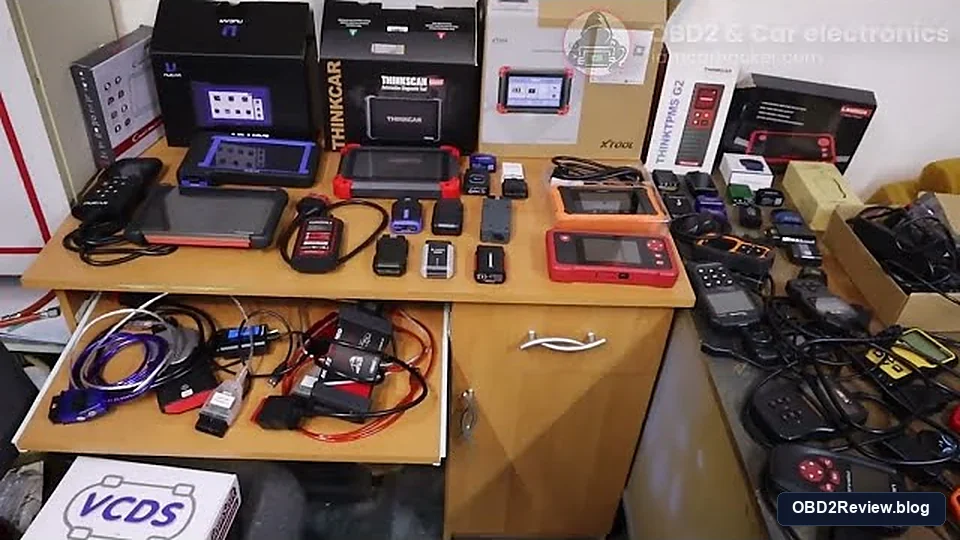
Engineers designed early diagnostic ports primarily for basic factory troubleshooting rather than complex alternative fuel monitoring. These legacy setups rely heavily on analog voltage fluctuations to communicate basic powertrain faults.
Modern alternative fuel conversions demand rapid data exchange rates that legacy architecture simply cannot support. Upgrading your diagnostic approach ensures complete visibility over specialized compressed natural gas parameters.
Diagnostic architectures shifted dramatically from proprietary OBD1 blink codes to standardized CAN networks. Early compressed natural gas conversions struggled because legacy ECUs lacked the processing power to monitor high-pressure fuel delivery accurately.
Modern vehicles rely on the best obd2 scanner models communicating via a universal 16-pin DLC port. This setup allows alternative fuel controllers to interface seamlessly without triggering persistent diagnostic trouble codes.
Upgrading older vehicle architectures requires installing dedicated interface modules that translate analog sensor readings into digital packets. Technicians must verify proper ground offsets to prevent signal degradation across extended aftermarket wiring looms.
- Proprietary pinout configurations limit universal scanner compatibility.
- Slow baud rates restrict real-time parameter identification.
- Lack of standardized error codes complicates multi-brand fleet maintenance.
From Analog Blink Codes to Digital Bus Communication
Legacy troubleshooting often required jumping specific pins to trigger dashboard warning light flashes. Mechanics had to manually count these flashes to decode specific powertrain malfunction indicators.
Advanced digital networks replaced these manual procedures with high-speed serial communication protocols. This digital shift allows technicians to read exact parameter IDs instantly without guesswork.
- Manual blink code counting introduces human error.
- Digital data buses stream multiple live sensors simultaneously.
Alternative Fuel Integration Mechanics
Converting a combustion engine to run on compressed natural gas introduces unique calibration challenges. Proper fuel management requires precise control over specialized injectors and high-pressure fuel regulators.
Technicians often pair their work with the best obd2 bluetooth scanners to remap delivery curves. These tools provide specialized tuning parameters required to prevent alternative fuel engines from running dangerously lean.
Integrating modern conversion hardware with outdated diagnostic ports creates significant data bottlenecks. Upgrading ensures your engine management computer maintains optimal air-fuel ratios under varying loads.
Integrating compressed natural gas systems demands precise pressure reduction stages. Primary regulators drop cylinder pressures from 3,600 psi down to manageable injection levels, requiring robust metallic housings and dual-stage elastomer diaphragms to prevent leaks.
Unlike liquid gasoline, gaseous fuel requires specialized injectors with calibrated nozzles. These components must withstand continuous thermal cycling while maintaining exact flow rates to satisfy strict closed-loop fuel trim parameters managed by the engine computer.
Safety shut-off solenoids integrated into the high-pressure rail provide critical protection. Mechanics must inspect magnetic coil resistance regularly to ensure rapid valve closure during emergency engine shutdowns or detected manifold pressure drops.
- Gaseous fuels require adjusted ignition timing maps.
- Injector dwell times differ significantly between gasoline and gas.
- Pressure drop monitoring prevents sudden power delivery loss.
Calibrating Compressed Natural Gas Injectors
Compressed natural gas injectors operate under different flow dynamics compared to traditional liquid gasoline components. Precise calibration software must monitor rail pressure continuously to ensure smooth engine operation.
Without proper digital feedback loops, engines experience rough idling and hesitation during acceleration. Modern conversion kits bridge this gap by utilizing advanced electronic control units.
- Consistent rail pressure is vital for stable combustion.
- Fine-tuned injection timing protects vital engine valves.
Sensor Compatibility and Signal Processing
Engine sensors provide the raw data necessary for maintaining efficient combustion and low emissions. Older diagnostic tools struggle to interpret the rapid signal changes from wideband oxygen sensors.
Alternative fuel systems require accurate exhaust gas monitoring to adjust fuel trims dynamically. Closed-loop feedback systems rely on fast sampling rates to maintain stoichiometric ratios successfully.
Using the best professional obd2 scanner helps technicians identify mismatched sensor protocols immediately. Ensuring full compatibility prevents persistent check engine lights and costly diagnostic delays in busy repair facilities.
Legacy OBD1 setups frequently utilize narrow-range oxygen sensors that react too slowly for gaseous fuels. Modern OBD2 configurations require fast-responding wideband air-fuel ratio sensors to continuously optimize combustion stoichiometry under varying loads.
Temperature compensation is vital because compressed gas density fluctuates with ambient conditions. Dedicated conversion ECUs process inputs from rail thermistors to apply volumetric efficiency corrections before adjusting fuel pulse widths accordingly.
Signal interference between ignition coils and gas injector wiring can corrupt data streams. Shielded twisted-pair cables prevent electrical noise from distorting critical crankshaft position timing signals monitored by diagnostic tools.
- Wideband sensors offer superior air-fuel ratio visibility.
- Slow sampling rates miss intermittent lean condition spikes.
- Voltage offsets require careful calibration during setup.
Managing Lambda Sensors and Pressure Transducers
Lambda sensors measure residual oxygen in exhaust gases to gauge combustion efficiency accurately. Technicians must monitor these readings alongside fuel rail pressure transducers for complete system health.
Outdated diagnostic ports cannot process these simultaneous high-speed sensor inputs effectively. Modern monitoring hardware captures every critical metric without dropping packets.
- Accurate lambda data prevents catalytic converter damage.
- Transducer monitoring ensures safe fuel tank levels.
Data Logging and Real-Time Telemetry
Diagnosing intermittent engine hesitation demands reliable data logging capabilities during actual road tests. Legacy diagnostic ports often lack the memory buffer required to record extended driving sessions.
Modern alternative fuel kits generate substantial operational data that benefits from continuous recording. Real-time telemetry streams allow engineers to pinpoint exact combustion anomalies instantly.
Capturing accurate performance logs helps technicians optimize fuel economy and reduce harmful emissions significantly. Reliable data logging transforms guesswork into precise, engineering-backed adjustments.
Pairing your diagnostic routine with the best budget obd2 scanner captures essential live parametric data. Technicians analyze short-term fuel trims simultaneously to diagnose subtle combustion anomalies before permanent faults occur.
Older OBD1 systems lack the memory buffering required for extensive parameter identification logging. Capturing intermittent fuel pressure drops requires external data acquisition hardware spliced directly into the secondary control harness.
Real-time telemetry allows fleet operators to monitor fuel rail temperatures and injection duty cycles remotely. This proactive approach prevents thermal overload and minimizes unexpected downtime during heavy commercial duty cycle operations.
- Extended memory buffers capture rare intermittent faults.
- Graphical parameter displays simplify complex diagnostic evaluations.
- CSV export features enable thorough post-test analysis.
Tracking Long-Term Fuel Trim Adjustments
Fuel trims indicate how much the engine computer must adjust baseline fuel delivery. Monitoring long-term trends reveals gradual wear in alternative fuel injectors and pressure regulators.
Legacy systems provide minimal insight into these crucial adaptive learning parameters. Modern interfaces display live trim shifts, empowering proactive maintenance scheduling.
- Positive trims indicate a developing fuel delivery restriction.
- Adaptive learning keeps emissions compliant over time.
Installation Complexity and Wiring Harnesses
Installing aftermarket conversion components requires splicing into existing vehicle electrical distribution networks. Poorly designed wiring harnesses introduce electrical resistance that corrupts sensitive sensor signal voltages.
Older vehicles feature brittle insulation that complicates new diagnostic port integration efforts. Technicians must exercise extreme caution to prevent accidental short circuits during modification procedures.
Standardized alternative fuel kits include plug-and-play wiring harnesses that minimize installation errors. Proper electrical shielding protects sensitive diagnostic data lines from electromagnetic engine interference.
Wiring a natural gas conversion kit demands meticulous attention to circuit protection. Installers must incorporate weather-resistant fuse holders and solder every splice to withstand severe engine bay vibration and moisture.
Modern OBD2 installations often utilize plug-and-play T-harnesses that interface directly with factory injector plugs. This modular approach significantly reduces installation errors compared to splicing into legacy OBD1 main harnesses.
Ergonomic routing away from exhaust manifolds prevents premature insulation failure and potential short circuits. Technicians should secure all lines using high-temperature nylon zip ties anchored firmly to factory mounting points.
- Shielded cables prevent alternator whine interference.
- OEM-style connectors reduce permanent vehicle wire modification.
- Clear color-coding speeds up complex harness routing.
Retrofitting Vintage Engine Bays Safely
Retrofitting alternative fuel hardware into classic or older engine bays requires meticulous planning. Routing new vacuum lines and wiring away from hot exhaust components prevents premature failure.
Professional installers secure all diagnostic access points to withstand harsh under-hood environments. Safety standards dictate that every spliced connection must be soldered and weatherproofed.
- High-temperature loom protects wires from radiant heat.
- Weatherproof connectors prevent moisture-induced signal corrosion.
Regulatory Compliance and Emission Testing
Passing mandatory state emission inspections is essential for any commercial or personal vehicle fleet. Outdated diagnostic interfaces often fail to communicate with modern station testing equipment.
Alternative fuel conversions must prove they meet stringent environmental standards under various loads. State inspection readiness monitors must show complete status before technicians submit vehicles.
Investing in modern diagnostic integration ensures seamless compliance with changing environmental protection regulations. Avoid costly inspection rejections by maintaining fully compatible monitoring hardware.
Compliance with environmental standards requires rigorous tailpipe emission testing across diverse load bands. OBD2 systems continuously evaluate catalyst efficiency, ensuring alternative fuel setups meet strict EPA certification limits without frequent manual adjustments.
Older OBD1 conversions often struggle during state smog inspections due to lack of integrated monitor readiness checks. Technicians must rely on tailpipe sniffer probes to verify clean combustion because on-board self-tests are severely limited.
Maintaining proper fuel map calibration prevents excessive oxides of nitrogen formation during high-load operations. Regular verification using an advanced diagnostic scanner ensures long-term adherence to local air quality mandates.
- Readiness monitors verify complete emission system self-tests.
- Consistent data reporting satisfies strict government auditing.
- Reduced carbon output helps fleets meet corporate sustainability goals.
Passing Modern Smog Inspections Successfully
Modern smog stations plug directly into vehicle data ports to verify emission status. If a conversion kit lacks proper interface support, testing equipment will display a communication error.
Ensuring your setup meets current communication standards guarantees trouble-free annual inspections. Proactive verification saves time and eliminates frustrating bureaucratic delays for operators.
- Direct data port linking speeds up official inspections.
- Eliminates false test failures caused by communication dropouts.
Frequently Asked Questions
Can older legacy systems connect directly to modern compressed natural gas conversion kits?
Older legacy systems cannot interface with modern alternative fuel conversion kits because they lack required communication protocols. Upgraded digital interfaces are essential for monitoring specialized gas parameters.
Why do alternative fuel vehicles require specialized diagnostic parameter identification capabilities?
Alternative fuel vehicles operate under different combustion dynamics that demand precise fuel management adjustments. Specialized diagnostic parameters ensure optimal engine performance and lower emissions.
What happens if a vehicle fails readiness monitors during an emission inspection?
Vehicles failing readiness monitors will be rejected by official testing stations until all self-tests complete. Proper drive cycles must be executed to reset emission monitors successfully.
How does shielding wiring harnesses prevent inaccurate sensor readings in modified setups?
Shielding wiring harnesses blocks electromagnetic interference generated by engine ignition components and alternators. Protected signal paths ensure accurate data transmission to the control unit.
Is professional installation recommended when upgrading vehicle diagnostic and fuel systems?
Professional installation ensures proper electrical integration, safe fuel routing, and accurate sensor calibration. Expert technicians prevent costly wiring mistakes and regulatory compliance failures.