Obd vs. Obd2 Scanner: Which Fits Your Setup Better?
Understanding the fundamental transition from legacy diagnostic interfaces to standardized modern protocols helps technicians select the right equipment. This technical guide contrasts vintage diagnostic port parameters against advanced handheld architectures.
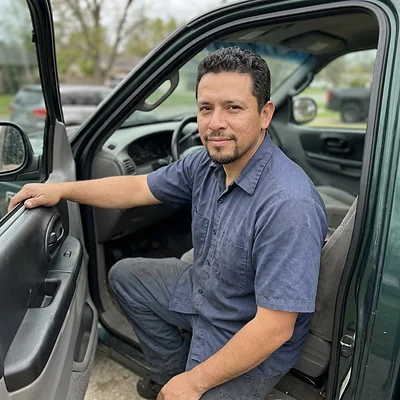

Choosing between legacy diagnostic links and modern tools depends on vehicle vintage and depth of required telemetry. Modern diagnostic tools provide vastly superior data refresh rates and universal protocol compatibility for everyday repair tasks.
Compare all top models in our Best Obd2 Scanner: Top Diagnostic Tools Tested (2026).
Side-by-Side Breakdown
| Criteria | Obd | Obd2 Scanner | Edge |
|---|---|---|---|
| Peak Performance & Output | Basic blink codes or proprietary manufacturer datastreams | High-speed digital parameter identification processing | Obd2 Scanner |
| Duty Cycle & Consistency | Prone to analog dropouts and inconsistent baud rates | Engineered for continuous continuous diagnostic logging | Obd2 Scanner |
| Operating Noise & Vibration | Passive analog connection sensitive to engine vibration | Solid-state digital circuits immune to interference | Obd2 Scanner |
| Portability & Footprint | Bulky proprietary interface boxes with manual switches | Compact handheld or wireless Bluetooth dongle form factors | Obd2 Scanner |
| Maintenance & Service Life | Aging components requiring rare specialized replacement parts | Field-upgradable firmware with widely available accessories | Obd2 Scanner |
| Power Requirements | External battery sources or distinct standalone adapters | Direct 12V parasitic draw through standardized data links | Obd2 Scanner |
| Best Ideal Use-Case | Restoring pre-nineteen-ninety-six vintage specialty vehicles | General automotive repair and multi-brand fleet diagnostics | Obd2 Scanner |
Historical Evolution of Diagnostic Protocols
Early automotive electronics lacked universal standards across different global manufacturers, creating severe diagnostic fragmentation. Technicians relied on proprietary interface hardware to extract basic engine fault indicators from individual vehicle control modules.
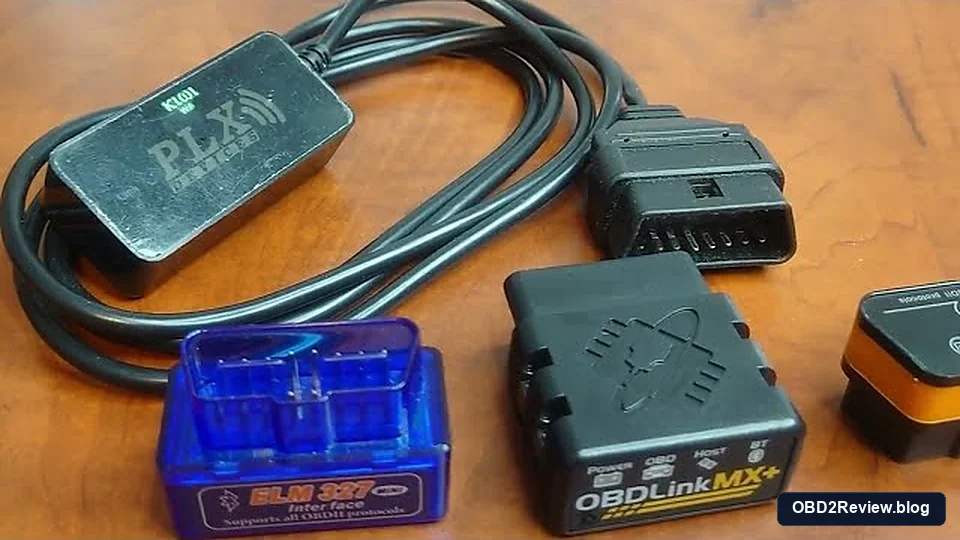
Regulatory mandates eventually forced the industry toward a unified framework to reduce tailpipe emissions. Selecting the best budget obd2 scanner models revolutionized how workshops interface with complex powertrain management systems and electronic control units.
- Fragmented manufacturer-specific vintage diagnostic interfaces
- Introduction of mandatory federal emissions reporting standards
- Standardization of physical data link connector shapes
Legacy Systems and Vintage Limits
Original diagnostic links lacked standardized communication baud rates and shared pin assignments across different automotive brands. Mechanics needed multiple expensive cartridges to service various domestic and imported vehicle fleets properly.
These primitive links restricted data visibility primarily to basic sensor thresholds without offering live graphing capabilities or bi-directional component actuation tests during active troubleshooting procedures.
- Proprietary cartridge requirements for each manufacturer
- Limited sensor visibility without live graphing capabilities
Modern Standardization and Universal Compliance
The adoption of standardized electronic protocols streamlined troubleshooting procedures across all passenger vehicle manufacturers globally. Every compatible tool can now interpret essential emissions parameters using identical digital command structures.
This universal compliance dramatically reduced equipment overhead costs for independent repair facilities while accelerating overall diagnostic turnaround times for routine maintenance inspections.
- Unified digital command structures across global brands
- Significant reduction in independent workshop equipment overhead
Hardware Architecture and Connector Interfaces
Physical hardware differences dictate how diagnostic signals travel from the vehicle computer to the display screen. Older interfaces utilized diverse rectangular or round plugs with non-standard pin configurations requiring extreme caution.
Contemporary diagnostic setups rely on a mandatory sixteen-pin trapezoidal port located underneath the dashboard near the steering column. This robust physical layout houses multiple digital communication lines within one housing.
- Diverse vintage plug shapes versus standardized sixteen-pin connectors
- Integration of multiple digital communication lines into one housing
- Enhanced mechanical durability for frequent daily workshop usage
Pinout Differences and Signal Routing
Vintage connectors distributed power, ground, and data signals across unpredictable pin locations depending on the manufacturer. Mechanics frequently referenced thick wiring schematics to avoid shorting sensitive control modules accidentally.
Modern interface architectures designate specific pins for Controller Area Network communication, chassis ground, and battery power supply. This standardization eliminates guesswork and protects both the vehicle and the diagnostic hardware.
- Unpredictable vintage pin assignments requiring wiring schematics
- Dedicated pins for modern Controller Area Network communication protocols
Signal Processing and Chipset Capabilities
Older diagnostic devices lacked the internal computing power required for complex packet translation. Choosing the right best obd2 scanner choices ensures you can decode modern multi-protocol datastreams without experiencing frustrating system latency or buffer overflows.
Advanced units incorporate high-speed microcontrollers capable of filtering noise, translating multi-protocol datastreams, and executing complex diagnostic routines concurrently without experiencing system latency or buffer overflows.
- Passive analog pass-through limitations in vintage interface hardware
- High-speed microcontrollers for multi-protocol datastream translation
Performance and Real-World Output
Evaluating diagnostic efficiency requires examining how quickly troubleshooting equipment communicates with onboard computer modules. Speed directly influences workshop productivity during high-volume daily repair operations and routine tune-ups.
Older systems often struggled with slow baud rates, causing noticeable lag when streaming live sensor parameters. Modern hardware processes hundreds of data frames per second to deliver seamless real-time telemetry updates.
- Impact of communication speed on overall workshop productivity
- Slow vintage baud rates versus high-speed modern digital processing
- Real-time telemetry updates for accurate intermittent fault isolation
Data Refresh Rates and Latency
Monitoring fast-moving engine components demands exceptionally high data refresh rates to catch brief transient anomalies. Vintage equipment often suffered from severe display lag that obscured critical timing fluctuations.
Current handheld diagnostic tools utilize optimized operating systems and robust processors to minimize latency. Technicians can accurately observe fuel trim adjustments and oxygen sensor switching without missing critical data points.
- Severe display lag obscuring critical vintage timing fluctuations
- Optimized operating systems minimizing latency for accurate fuel trim monitoring
Parameter Identification and Module Querying
Querying multiple vehicle control modules simultaneously requires sophisticated multi-tasking capabilities built into the tool firmware. Vintage interfaces could only target one specific computer system at a time.
Advanced diagnostic units rapidly scan all networked modules, including transmission, body control, and anti-lock braking systems, compiling comprehensive health reports in a fraction of the time.
- Single-system targeting limitations found in legacy diagnostic devices
- Rapid multi-module scanning across transmission and body control systems
Build Quality, Maintenance and Durability
Workshop environments subject diagnostic equipment to harsh physical conditions including oil contamination, drops, and extreme temperatures. Tool longevity depends heavily on chassis material selection and internal component protection.
Vintage interface boxes often featured brittle plastic housings that cracked easily upon impact. Choosing the best professional obd2 scanner options ensures you get ruggedized rubberized overmolds and impact-resistant polymer shells designed for harsh environments.
- Harsh workshop conditions requiring robust chassis material selection
- Brittle vintage plastic housings contrasted with modern impact-resistant polymer shells
- Long-term reliability through careful maintenance and protective storage
Enclosure Materials and Drop Protection
Protecting delicate internal circuit boards from accidental workbench falls is essential for maintaining calibration and reliability. Older units rarely featured shock-absorbing exterior bumpers or reinforced internal mounting frames.
Contemporary diagnostic tools utilize heavy-duty thermoplastic elastomers and recessed screen designs to survive severe drops onto concrete shop floors without sustaining catastrophic internal damage.
- Absence of shock-absorbing exterior bumpers on legacy diagnostic hardware
- Heavy-duty thermoplastic elastomers and recessed screen designs for drop survival
Cable Resilience and Strain Relief
Diagnostic cables endure constant bending, twisting, and pulling during everyday vehicle inspections inside busy service bays. Poorly constructed cables suffer from internal conductor fatigue and intermittent connection failures.
Professional-grade diagnostic equipment features reinforced molded strain reliefs and high-strand-count copper wiring wrapped in oil-resistant jackets to ensure uninterrupted signal transmission over years of service.
- Internal conductor fatigue caused by constant cable bending
- Reinforced molded strain reliefs and oil-resistant protective jacketing
Noise, Efficiency and Footprint
Evaluating physical workspace efficiency involves analyzing tool dimensions, power efficiency, and thermal management. Cluttered workstations slow down technicians and increase the risk of accidental equipment damage.
Legacy diagnostic tools frequently required cumbersome external power supplies, bulky adapter cables, and separate documentation binders. Modern handheld units integrate everything into compact, energy-efficient enclosures.
- Workspace efficiency considerations including physical tool dimensions and power draw
- Cumbersome vintage power supplies versus compact modern energy-efficient enclosures
- Thermal management strategies for continuous high-load diagnostic sessions
Thermal Dissipation and Power Draw
Extended diagnostic sessions generate internal heat that can destabilize sensitive microprocessors if proper thermal management is lacking. Older analog circuits often operated at higher operating temperatures with poor efficiency.
Modern electronics feature low-power chipsets that consume minimal energy directly from the vehicle data link. This efficiency prevents overheating and eliminates the need for noisy cooling fans inside handheld enclosures.
- Internal heat generation affecting microprocessors during extended sessions
- Low-power chipsets eliminating the need for internal cooling fans
Portability and Storage Footprint
Mobile technicians require lightweight diagnostic equipment that fits easily inside standard tool bags or service vehicle drawers. Bulky vintage testing rigs required dedicated bench space and transport carts.
Compact handheld units and wireless dongles provide incredible portability without sacrificing processing power. Professionals can easily carry a complete diagnostic suite anywhere inside the repair facility.
- Bulky vintage testing rigs requiring dedicated transport carts
- Compact handheld units providing exceptional portability for mobile technicians
Protocol Compatibility and Software Integration
Software adaptability remains a critical factor when servicing vehicles equipped with diverse electronic architectures and proprietary networks. Diagnostic tools must seamlessly translate complex manufacturer languages into readable formats.
Vintage equipment relied entirely on hardcoded ROM chips that became obsolete whenever manufacturers updated their proprietary communication parameters. Modern tools leverage downloadable software updates to maintain broad coverage.
- Software adaptability across diverse electronic vehicle architectures
- Hardcoded vintage ROM chips versus downloadable modern firmware updates
- Comprehensive coverage for both generic emissions and enhanced modules
Proprietary Modules vs Generic Emissions
Basic compliance tools read only powertrain emissions data mandated by federal environmental regulatory agencies. They cannot access proprietary manufacturer networks governing advanced chassis and body functions.
Advanced diagnostic scanners unlock deep system access across anti-lock brakes, supplemental restraint systems, and body control modules. This comprehensive capability allows technicians to diagnose complex electrical faults accurately.
- Basic compliance tool limitations restricted strictly to powertrain emissions data
- Deep system access across anti-lock brakes and body control modules
Firmware Updates and Diagnostic Databases
Automotive technology evolves rapidly with frequent software revisions introduced across newly manufactured vehicle model years. Diagnostic tools require regular database updates to recognize newly implemented parameter identifiers.
Modern diagnostic platforms offer seamless internet connectivity for downloading the latest vehicle coverage databases and repair guides. This ensures technicians remain fully equipped to handle emerging automotive technologies.
- Frequent software revisions across newly manufactured vehicle model years
- Seamless internet connectivity for downloading updated vehicle coverage databases
Which Option Fits Your Workload
Selecting the appropriate diagnostic equipment requires careful analysis of your specific automotive repair workload and vehicle fleet composition. Hobbyists working on vintage cars have very different needs than professional shop technicians.
Investing in outdated hardware limits your diagnostic capability and wastes valuable troubleshooting time on modern vehicles. Matching tool capabilities to daily operational demands ensures maximum return on investment.
- Analyzing specific automotive repair workloads and fleet compositions
- Balancing vintage vehicle restoration needs against modern fleet maintenance
- Maximizing return on equipment investment through strategic tool selection
DIY Enthusiast Scenarios and Garage Use
Home mechanics working primarily on weekend restoration projects might appreciate vintage diagnostic quirks for historical accuracy. However, diagnosing daily driver commuter cars requires reliable modern scanning capabilities.
An affordable modern tool like the best obd ii bluetooth scanner models provides essential reading and clearing functions for household vehicles without requiring specialized technical training or expensive recurring software subscription fees.
- Vintage diagnostic quirks suited for specific weekend restoration projects
- Affordable entry-level modern scanners for reliable household vehicle maintenance
Professional Shop Demands and Fleet Maintenance
Commercial repair facilities face immense pressure to diagnose and repair diverse vehicle fleets quickly and accurately every single day. Slow equipment directly reduces daily billing hours and shop profitability.
Professional technicians require rugged, high-speed diagnostic platforms with bi-directional controls, graphing capabilities, and continuous software support to handle complex multi-brand repair challenges successfully.
- Commercial repair facility pressure for rapid and accurate vehicle diagnosis
- Rugged high-speed diagnostic platforms with bi-directional control capabilities
Frequently Asked Questions
Can older vintage diagnostic interfaces work on modern passenger vehicles manufactured today?
Vintage diagnostic interfaces lack the necessary hardware architecture and digital protocol translation chips required to communicate with modern vehicles. Modern diagnostic tools are specifically engineered to interface with standardized sixteen-pin digital networks seamlessly.
Why is data refresh speed critical when performing advanced automotive electrical troubleshooting?
Slow data refresh speeds create noticeable display lag that can easily obscure brief intermittent sensor anomalies during live testing. High-speed processing hardware ensures technicians catch rapid voltage fluctuations without missing critical telemetry data points.
Do professional automotive repair shops require bi-directional control capabilities in their scanners?
Professional shops handle complex component testing that requires actively commanding actuators like fuel injectors and cooling fans directly. Bi-directional diagnostic scanners provide essential active testing functions to verify component operation accurately.
How often should workshop diagnostic software databases be updated for optimal performance?
Manufacturers introduce new parameter identifiers and software revisions across vehicle model years with increasing frequency. Regular firmware updates ensure your diagnostic equipment maintains comprehensive coverage for newly released automotive technologies.
What is the main physical difference between legacy diagnostic ports and modern links?
Legacy systems utilized diverse proprietary plugs and non-standard pin configurations varying by manufacturer. Standardized sixteen-pin connectors provide a universal physical layout housing all necessary communication lines in one housing.