Obd 1 vs. 2: Which Diagnostic Standard Fits Your Setup Better?
Navigating legacy automotive electronics requires understanding deep diagnostic generational shifts. Choosing between these distinct standards defines your overall shop workflow efficiency.

Modern diagnostics overwhelmingly favor standardized second-generation protocols for deep module access. Legacy setups remain strictly necessary for vintage vehicle maintenance and specialized enthusiast restoration projects.
Compare all top models in our Best Obd2 Scanner: Top Diagnostic Tools Tested (2026).
Side-by-Side Breakdown
| Criteria | Obd 1 | 2 | Edge |
|---|---|---|---|
| Peak Performance & Output | Basic code reading only | Advanced live data streaming | 2 |
| Duty Cycle & Consistency | Prone to intermittent signal drops | Highly reliable data stability | 2 |
| Operating Noise & Vibration | Silent analog hardware circuits | Microcontroller driven silent logic | 2 |
| Portability & Footprint | Bulky specialized diagnostic boxes | Compact universal interface ports | 2 |
| Maintenance & Service Life | Obsolete wiring harness maintenance | Readily available replacement cables | 2 |
| Power Requirements | External battery power sources | Self-powered diagnostic data link | 2 |
| Best Ideal Use-Case | Pre-ninety-six vintage restoration | Universal modern fleet service | 2 |
Architectural Foundations and Historical Evolution
Early automotive diagnostic iterations severely lacked unified computing standards across global manufacturing brands. Engineers routinely relied on proprietary flashing dashboard codes and distinct manufacturer-specific link connectors.
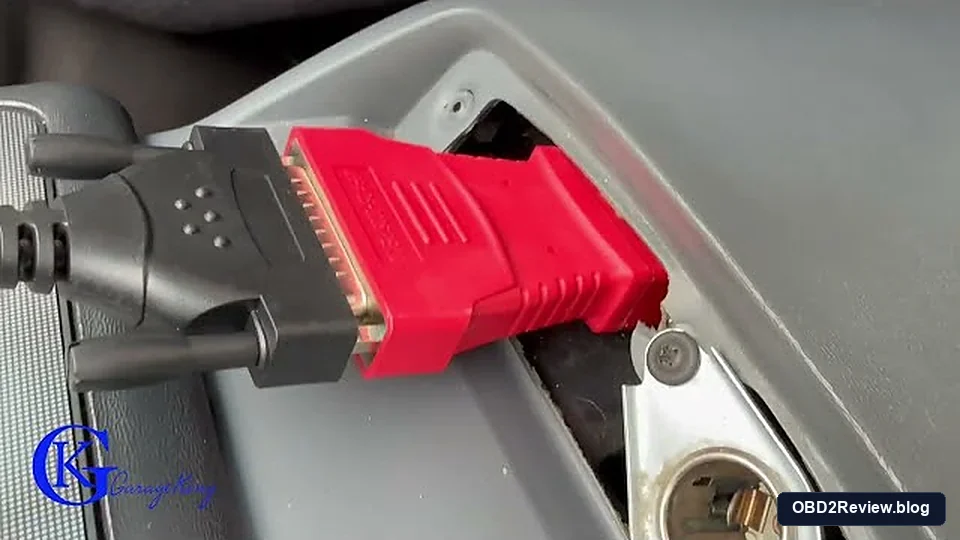
The introduction of mandatory federal regulations forced a massive engineering overhaul in vehicle emissions monitoring. Manufacturers transitioned toward centralized digital microprocessors capable of reporting standardized diagnostic trouble codes.
Understanding this foundational shift helps technicians appreciate why older architectures demand specialized adapter cables. Modern universal ports streamline connection procedures while legacy ports require manual pin jumper verification.
Early OBD-1 architectures relied on proprietary manufacturer connectors. Today, technicians often pair older vehicles using a reliable best obd ii bluetooth scanner to bridge legacy pinouts with modern wireless diagnostic applications.
The mandate for SAE J1962 standardization introduced a uniform 16-pin data link connector, forcing manufacturers to integrate standardized control modules that centralized emission monitoring and significantly streamlined technician workflow efficiencies.
Hardware migration from basic discrete logic gates to integrated microprocessors allowed OBD-2 systems to manage complex network traffic, transforming basic dashboard warning lights into sophisticated, multi-parameter powertrain management platforms.
- Proprietary manufacturer computer systems
- Mandated federal emissions reporting rules
- Centralized digital microprocessor adoption
- Universal plug standardization milestones
Tracing Legacy Connector Evolution
Early diagnostic adapters varied wildly between domestic and import vehicle manufacturers. Technicians needed specialized modular cartridges just to read basic powertrain sensor voltages.
Standardization eliminated guesswork by mandating a single trapezoidal data link connector shape. This physical hardware evolution drastically reduced diagnostic setup times across modern repair bays.
- Domestic versus import connector divides
- Trapezoidal physical port layout design
Performance and Real-World Diagnostic Output
Evaluating raw diagnostic output reveals massive technological gaps between automotive generations. Legacy setups typically output sluggish analog voltage readings requiring manual calculation conversions.
Contemporary digital architectures stream high-speed parameter identifiers directly to compatible scanning hardware. Technicians can monitor dozens of live engine sensors simultaneously without experiencing noticeable data lag.
This instantaneous feedback loop transforms complex troubleshooting sessions into straightforward component verifications. Real-world efficiency scales exponentially when your equipment processes live streaming sensor arrays seamlessly.
Legacy diagnostic setups struggled with slow baud rates, often restricting technicians to static snapshot readings that failed to capture intermittent sensor faults during actual driving cycles.
Modern CAN bus protocols enable rapid communication speeds up to 500 kbps, delivering instantaneous parameter updates essential for diagnosing complex engine misfires and fuel trim anomalies accurately.
Real-world diagnostics require high-speed data acquisition to track fleeting voltage drops across throttle position sensors, effectively bypassing the severe limitations of slow-updating legacy control modules.
- Sluggish analog voltage signal conversions
- High-speed parameter identifier data streams
- Simultaneous multi-sensor live monitoring
- Instantaneous diagnostic feedback loops
Analyzing Live Data Stream Speeds
Processing speed dictates how quickly intermittent sensor faults appear on your display screen. Legacy interface hardware struggles to capture rapid transient voltage spikes during dynamic testing.
High-speed digital communication buses effortlessly capture microsecond sensor fluctuations and timing anomalies. This capability empowers mechanics to catch elusive misfires before triggering hard warning lights.
- Transient voltage spike capture limits
- Microsecond sensor fluctuation tracking
Interface Protocols and Hardware Wiring Standards
Hardware wiring configurations dictate how reliably communication occurs between vehicle control modules. Older systems utilized disjointed serial communication lines susceptible to heavy electrical interference.
Modern standards implement robust differential signaling protocols across twisted pair wiring harnesses. This advanced engineering design virtually eliminates external electromagnetic noise interference inside busy shop environments.
Pinout configurations also underwent massive simplification to prevent accidental electrical short circuits. Technicians no longer risk damaging expensive control modules through incorrect manual jumper wire placements.
Early generation diagnostic links utilized highly disparate wiring configurations, forcing busy technicians to carry multiple adapter cables for distinct pinouts across various manufacturer platforms.
The implementation of ISO 14230 and related standards streamlined physical layer requirements, utilizing dedicated signal lines for reliable data transmission without relying on proprietary breakout boxes.
Modern wiring harnesses incorporate robust shielding against electromagnetic interference. When diagnosing complex German platforms, utilizing the best obd reader for bmw ensures accurate module communication without risking digital signal corruption.
- Disjointed serial communication line layouts
- Robust differential signaling protocol usage
- Twisted pair wiring harness shielding
- Elimination of manual jumper wires
Decoding Multiplexed Communication Busses
Modern vehicles utilize complex multiplexed networks to share critical sensor data across multiple computers. Legacy architectures operated as isolated islands without inter-module communication capabilities.
Controller area network protocols revolutionized data sharing efficiency among vehicle sub-systems. Technicians must understand bus topology to properly diagnose intermittent network timeout error codes.
- Isolated module operating system limits
- Controller area network protocol sharing
Build Quality, Maintenance, and Physical Durability
Shop durability remains a top priority when investing in professional hardware. Pairing your mobile interface with the best obd ii app for iphone streamlines data logging directly on your smartphone screen.
Modern diagnostic cables utilize industrial-grade thermoplastic elastomers engineered to resist aggressive workshop chemicals. Strain relief boots protect vulnerable connector solder joints from repetitive bending stress.
Routine maintenance for contemporary interfaces involves simple contact cleaning and firmware update procedures. Legacy tools require manual multimeter continuity testing when communication links inevitably fail.
Older diagnostic receptacles frequently suffered from bent spring pins due to frequent manual insertion of unstandardized test leads during hectic routine bay testing procedures.
Contemporary J1962 connectors employ durable thermoplastic housings designed to withstand thousands of mating cycles while resisting harsh automotive workshop fluids like brake cleaner and oil.
Proper maintenance of diagnostic ports involves inspecting terminal tension regularly using specialized pin gauges to prevent intermittent electrical connections during critical module programming sessions.
- Thick rubberized legacy cable insulation
- Industrial-grade thermoplastic elastomer jackets
- Vulnerable connector strain relief designs
- Routine firmware update maintenance needs
Sustaining Hardware Longevity in Shops
Harsh automotive shop environments demand ruggedized enclosures capable of surviving accidental drops. Older diagnostic boxes utilized heavy steel casings while modern tools favor drop-resistant polymers.
Proper storage practices significantly extend the operational lifespan of sensitive internal circuit boards. Keeping connectors clean prevents debris accumulation from causing high-resistance communication faults.
- Ruggedized drop-resistant polymer housings
- Connector debris prevention protocols
Noise, Thermal Efficiency, and Power Footprint
Electrical efficiency directly impacts how long diagnostic equipment can operate during extended troubleshooting sessions. Older testing units frequently required external 12-volt battery power hookups to function.
Contemporary interface adapters draw minimal operating current directly from the vehicle data link port. This self-powered design eliminates unnecessary clutter and reduces thermal generation inside the housing.
Thermal management in modern tools relies on passive heat dissipation through compact circuit designs. Selecting the best obd scanner for volkswagen guarantees efficient module communication without triggering thermal overload errors.
Legacy systems operated with minimal electronic noise shielding, occasionally inducing harmful ground loops that corrupted sensitive analog sensor readings inside the early engine control unit.
Advanced power management circuits inside modern scanners draw minimal current from the vehicle battery, safely preventing voltage sags during extended diagnostic logging sessions.
Thermal dissipation remains a crucial engineering consideration when running high-frequency data streams through compact diagnostic dongles exposed to high ambient footwell heat conditions.
- External twelve-volt battery power needs
- Minimal data link current draw designs
- Passive circuit board heat dissipation
- Bulky internal legacy power transformers
Managing Electrical Load and Parasitic Draw
Extended diagnostic testing can inadvertently drain weak vehicle batteries if power management fails. Modern tools incorporate intelligent sleep modes to minimize parasitic electrical current draw.
Legacy hardware lacked power-saving features, requiring technicians to manually disconnect test leads. Smart power regulation protects both the diagnostic equipment and the vehicle electrical system.
- Intelligent diagnostic tool sleep modes
- Parasitic vehicle battery drain risks
Diagnostic Coverage and Live Data Streaming Capabilities
Diagnostic coverage determines the breadth of vehicle systems you can successfully troubleshoot daily. Older tools typically restricted access strictly to basic engine management and emission components.
Modern scanning solutions provide comprehensive access to anti-lock brakes, supplemental restraint systems, and body control modules. Technicians gain deep visibility into virtually every onboard computer network node.
Bidirectional control features allow modern equipment to actively command actuators during component testing. Legacy systems offered purely passive monitoring without any active testing or module programming capabilities.
First-generation tools offered strictly limited fault code retrieval, restricting technicians to basic powertrain failures without any visibility into secondary body or chassis control modules.
Comprehensive live data streaming allows technicians to monitor dozens of parameters simultaneously, comparing actual sensor values against manufacturer reference charts in real time.
Advanced protocol formatting enables robust bidirectional controls, empowering mechanics to command actuators directly through the OBD-2 interface to verify component functionality swiftly.
- Restricted engine management system access
- Comprehensive body and brake coverage
- Active bidirectional actuator control features
- Passive legacy sensor monitoring limits
Unlocking Advanced Bidirectional Testing Controls
Active command testing lets mechanics verify component functionality without removing physical parts. Modern diagnostic suites can command fuel injectors, cooling fans, and window motors directly.
Legacy protocols lacked the feedback bandwidth required to safely execute remote actuator commands. Technicians had to rely on manual relay bypassing and test light probes.
- Remote actuator command testing functions
- Manual relay bypassing diagnostic steps
Which System Architecture Fits Your Professional Workload
Selecting the ideal diagnostic setup depends heavily on the specific vehicle fleet you service. General repair shops working on contemporary passenger cars require fast universal interface protocols.
Specialized restoration shops focusing on classic vintage automobiles must maintain legacy adapter capabilities. Having the right tool ensures you can communicate with any vehicle entering your bay.
Evaluating your daily workload prevents unnecessary spending on redundant diagnostic hardware modules. Balance your service offerings against equipment capabilities to maximize return on hardware investments.
Choosing the correct diagnostic approach depends entirely on your target vehicle fleet, requiring legacy adapters for pre-1996 classics and modern interfaces for daily drivers.
Professional repair facilities must invest in versatile multi-protocol scanners capable of bridging older proprietary networks with modern high-speed CAN lines seamlessly and reliably.
Understanding these underlying architectural differences ensures technicians select appropriate diagnostic hardware, minimizing diagnostic overhead and maximizing overall repair accuracy across diverse vehicle generations.
- General repair modern fleet servicing
- Specialized vintage classic automobile restoration
- Balanced equipment capability investments
- Eliminating redundant diagnostic hardware tools
Balancing Shop Budget and Equipment Versatility
Investing in comprehensive diagnostic equipment requires careful budgeting for future compatibility upgrades. Universal tools offer incredible versatility across multiple domestic and import vehicle brands.
Legacy adapter kits remain affordable investments specifically tailored for dedicated classic car mechanics. Matching your tool inventory to your customer base ensures maximum operational profitability.
- Comprehensive diagnostic software upgrade budgets
- Targeted classic vehicle adapter kits
Frequently Asked Questions
Why do older vehicles require specialized adapter cables for troubleshooting?
Early manufacturers utilized proprietary connector shapes and unique wiring pins before federal standardization laws mandated uniform universal ports across all brands. Custom adapter cables bridge this gap to let older computers communicate properly with scanning tools.
Can modern universal diagnostic scanners read trouble codes on legacy vehicles?
Most modern universal scanners cannot interface directly with legacy systems due to differing communication protocols and physical connector shapes. Specialized legacy adapters or dedicated older scanning hardware remain absolutely necessary for vintage automotive diagnostic work.
What makes high-speed digital communication buses superior to older serial lines?
High-speed digital buses process parameter identifiers simultaneously and eliminate electrical interference through robust differential signaling wiring designs. Advanced data streaming drastically improves troubleshooting speed and accuracy during complex diagnostic testing sessions.
Do legacy diagnostic tools support active bidirectional actuator control testing?
Legacy systems operate entirely on passive sensor monitoring and lack the communication bandwidth required for active module commands. Modern bidirectional controls are strictly reserved for newer digital network architectures found in contemporary vehicles.
How should technicians properly maintain diagnostic interface cables and connectors?
Regularly inspect cable insulation for cracks and clean metal connector pins using approved electrical contact cleaner sprays. Proper strain relief and careful storage practices prevent premature hardware failure inside busy automotive repair shops.