Manufacturer Specific vs Generic Obd2 Codes: Which Fits Your Setup Better
Understanding diagnostic trouble codes requires examining standardized parameters against proprietary OEM databases. Choosing the right scan tool depends entirely on your specific repair environment and vehicle architecture.


For broad emissions testing, Generic OBD2 Codes provide fast baseline access. For deep powertrain repairs, Manufacturer Specific protocols deliver superior diagnostic depth.
Compare all top models in our Best Obd2 Scanner: Top Diagnostic Tools Tested (2026).
Side-by-Side Breakdown
| Criteria | Manufacturer Specific | Generic Obd2 Codes | Edge |
|---|---|---|---|
| Peak Performance & Output | Advanced depth | Standard depth | Manufacturer Specific |
| Duty Cycle & Consistency | High module load | Low bus strain | Generic Obd2 Codes |
| Operating Noise & Vibration | Silent electronic data | Silent data transfer | Tie |
| Portability & Footprint | Advanced tablet hardware | Compact pocket readers | Generic Obd2 Codes |
| Maintenance & Service Life | Requires subscription updates | Maintenance free design | Generic Obd2 Codes |
| Power Requirements | High DLC electrical draw | Minimal data bus load | Generic Obd2 Codes |
| Best Ideal Use-Case | Comprehensive shop repairs | Quick emissions readiness | Manufacturer Specific |
Evolution and Historical Development of Diagnostic Protocols
Early automotive diagnostics relied on fragmented, proprietary blink codes unique to every single car brand. Standardization mandates eventually introduced unified interfaces to streamline federal emissions compliance testing.
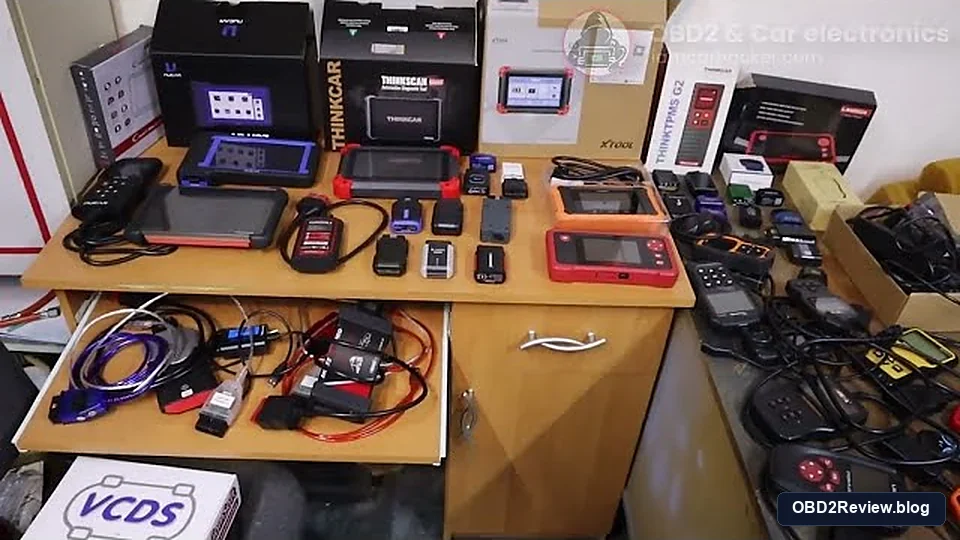
The introduction of OBD mandates transformed automotive repair by establishing a universal 16-pin data link connector. Engineers standardized baseline emissions parameters while preserving manufacturer specific data extensions for advanced troubleshooting.
Early automotive diagnostics relied on proprietary blink codes unique to each brand, causing immense frustration for technicians. The introduction of SAE J1962 standardization revolutionized data access by mandating universal physical DLC connector layouts across all light-duty vehicles.
Transitioning from slow UART networks to robust CAN bus architectures dramatically increased communication speeds. Technicians could finally read multiplexed data streams at 500 kbps, bridging the gap between basic emissions compliance and real-time powertrain telemetry analysis.
- Universal 16-pin connector implementation
- Federal emissions monitoring standardization
- Early manufacturer proprietary blink codes
Regulatory Milestones in Powertrain Monitoring
Legislative pressure forced automakers to adopt standardized communication protocols across all global markets. This regulatory shift minimized consumer confusion and enabled basic scan tools to read fundamental powertrain faults.
Despite broad standardization, brands retained proprietary channels for advanced electronic control units. Reviewing our technical guide to diagnostic trouble codes helps technicians understand why generic readers miss crucial body and chassis faults.
- Global communication protocol adoption
- Elimination of basic consumer confusion
Manufacturing Strategy and Industrial Policy Frameworks
Modern vehicle production relies on complex global supply chains and distributed electronic architectures. Automotive manufacturers implement distinct diagnostic software policies to protect intellectual property and control dealer service networks.
Industrial policies dictate how deeply diagnostic data is shared with independent automotive repair technicians. While generic standards ensure basic environmental compliance, proprietary protocols remain locked behind subscription-based factory software licenses.
Global regulatory mandates require automakers to support standardized emissions diagnostics, yet manufacturers retain immense leeway for proprietary modules. This dual structure protects intellectual property while complying with strict EPA and CARB environmental compliance auditing requirements.
Industrial engineering strategies balance open-standard accessibility with secure vehicle architectures. As modern gateway modules lock down physical networks, aftermarket diagnostic tools must utilize secure gateway authentication protocols to access deep manufacturer-specific diagnostic routines.
- Global supply chain electronic dependencies
- Factory software licensing and security
- Independent repair shop data access
Intellectual Property and Proprietary Protocols
Automakers invest heavily in developing sophisticated proprietary diagnostic routines for advanced vehicle systems. Protecting these proprietary algorithms prevents unauthorized replication of critical engine calibration and transmission control parameters.
Independent equipment manufacturers must license specific manufacturer protocols to build fully capable scan tools. This dynamic directly impacts tool pricing and the depth of coverage available to everyday mechanics.
- Engine calibration algorithm protection
- Third-party tool manufacturer licensing
Decoding the Taxonomy: Generic versus Enhanced Trouble Codes
Diagnostic trouble codes follow a strict alphanumeric structure defined by international engineering standards organizations. The initial character designates the primary vehicle system, separating powertrain faults from body and chassis issues.
Generic codes follow universal definitions mandated for all vehicles sold within regulated regional markets. Conversely, manufacturer specific codes utilize identical structural formats to convey deeply detailed, brand-unique mechanical failures.
Generic powertrain codes follow a rigid naming convention governed by international standards to ensure universal powertrain fault isolation. Every P0000 through P03FF range identifier guarantees basic emissions-related failure reporting across every compliant vehicle brand globally.
Enhanced trouble codes bypass federal emissions mandates to target specific sub-systems like ABS actuators or transmission solenoids. Leveraging bi-directional controls, advanced diagnostic scanners query these proprietary addresses to execute active actuation tests during troubleshooting.
- Alphanumeric diagnostic trouble code structures
- Universal powertrain fault definitions
- Brand-unique enhanced diagnostic messages
Structural Analysis of Trouble Code Formats
A standard diagnostic trouble code breaks down into five distinct characters providing precise fault localization. The second character identifies whether the fault code is federally mandated or manufacturer specific.
Mastering this underlying taxonomy helps technicians know when basic diagnostics suffice. You can consult our guide to clearing fault codes before attempting any physical component repairs.
- Five character fault code breakdown
- Mandated versus proprietary code flags
Evaluating Verified Suppliers and Hardware Tool Compatibility
Selecting diagnostic hardware requires careful evaluation of verified equipment suppliers and software update frequencies. Cheap clone scan tools often fail to communicate reliably with high-speed manufacturer specific CAN bus networks.
Professional repair environments demand robust scan tools featuring bi-directional controls and comprehensive database subscriptions. Investing in certified diagnostic hardware guarantees accurate code translation and dependable vehicle communication performance.
Selecting professional diagnostic hardware requires verifying chipset capabilities and firmware update frequencies. Reliable scan tools incorporate robust multiplexing microchips that automatically switch communication pins without requiring manual jumper wires or physical adapter keys.
Hardware compatibility issues frequently arise when cheap OBD2 adapters fail to support proprietary manufacturer protocols. Technicians must ensure their chosen interface supports ISO 15765-4 CAN and other legacy protocols to prevent communication dropouts during flashing.
- Verified equipment supplier hardware quality
- High-speed CAN bus communication reliability
- Bi-directional diagnostic control capabilities
Hardware Limitations of Budget Scan Tools
Entry-level code readers typically access only powertrain control modules using basic generic protocols. These budget devices lack the necessary firmware to query auxiliary modules like ABS, HVAC, and airbags.
Technicians must verify that their chosen diagnostic equipment supports the specific vehicle communication protocols required. Mismatched hardware leads to frustrating communication errors and incomplete vehicle health diagnostic reports.
- Powertrain module query restrictions
- Missing auxiliary module firmware
Ergonomics, Interface Design, and Daily Diagnostic Workflows
Effective diagnostic equipment must balance rugged physical durability with intuitive software user interface design. Mechanics working in high-pace repair shops require ergonomic scan tools that withstand drops, grease, and daily abuse.
Navigation menus should display both generic emissions codes and manufacturer specific fault data without lag. Clear graphic data streaming capabilities significantly improve diagnostic efficiency during complex drivability troubleshooting procedures.
Professional shop environments demand ruggedized diagnostic hardware featuring impact-resistant housings and bright display screens. Ergonomic design minimizes technician fatigue during prolonged troubleshooting sessions involving complex live data graphing and multi-system module scans.
Software interface design directly impacts efficiency by structuring fault codes logically. When evaluating our top-tested OBD2 scanner picks, look for intuitive menu layouts that group freeze frame data right next to active trouble codes.
- Rugged physical drop-resistant housing
- Intuitive graphical data stream navigation
- Grease-resistant touchscreen and button interfaces
Optimizing Shop Diagnostic Efficiency
Streamlining diagnostic workflows reduces vehicle bay turnaround times and increases overall repair shop profitability. Technicians benefit from tools that organize generic and enhanced trouble codes into logical troubleshooting trees.
Well-designed diagnostic software minimizes the time spent manually cross-referencing confusing manufacturer specific fault descriptions. Ergonomic handheld units allow mechanics to monitor live sensor parameters while actively road-testing the vehicle.
- Reduced vehicle bay turnaround times
- Logical troubleshooting tree organization
Thermal Performance, Electrical Loads, and Power Requirements
Diagnostic scan tools draw electrical power directly from the vehicle data link connector during operation. High-end diagnostic tablets running extensive manufacturer specific software suites consume significant electrical current from the circuit.
Extended diagnostic sessions can cause handheld hardware to generate noticeable thermal output during prolonged data logging. Quality scan tools incorporate internal thermal management to prevent processor throttling during heavy module programming tasks.
Extended diagnostic sessions draw continuous power directly from the vehicle data link connector, testing thermal limits. Quality adapters incorporate built-in voltage regulators to prevent overheating and short-circuiting sensitive internal microcontroller components during heavy data polling.
Voltage fluctuations can disrupt wireless pairing, especially when using our recommended OBD2 bluetooth adapters. Technicians should monitor battery voltage levels using a stable external power supply during deep module programming tasks.
- Data link connector electrical power draws
- Internal thermal management and cooling
- Processor stability during heavy programming
Managing Power Fluctuations in the Bay
Voltage drops during extended diagnostic procedures can corrupt vehicle control module memory and flash routines. Technicians must utilize external battery maintainers whenever running comprehensive manufacturer specific diagnostic software updates.
Generic code reading places minimal electrical strain on the vehicle data bus architecture. Simple readers rarely trigger thermal warnings or voltage regulation issues during standard emission readiness checks.
- Control module memory protection
- External battery maintainer usage
Advanced Diagnostics: Beyond Standard Powertrain Monitoring
Modern vehicles integrate dozens of networked electronic control modules communicating via high-speed data buses. Standard generic protocols cannot access advanced chassis, body, and infotainment diagnostic parameters found in modern luxury cars.
Unlocking the full potential of modern automotive electronics requires advanced bi-directional manufacturer specific diagnostic tools. These sophisticated systems allow technicians to calibrate sensors, test actuators, and reprogram replacement control modules.
Modern vehicle networks handle far more than engine management, integrating body control, infotainment, and chassis modules. Advanced scanners leverage high-speed CAN networks to access non-powertrain subsystems that generic OBD2 readers completely ignore during routine scans.
Calibrating advanced driver assistance systems requires executing specialized relearn procedures via enhanced diagnostic software commands. Master technicians rely on these manufacturer-specific routines to properly reset radar sensors and camera modules after structural collision repairs.
- Multi-module vehicle network architectures
- Advanced sensor calibration and adaptation
- Bi-directional actuator testing protocols
The Future of Universal and Proprietary Diagnostics
The automotive industry continues debating the balance between open standardization and proprietary data protection. Emerging cyber security gateways add another layer of complexity to accessing manufacturer specific diagnostic routines.
Independent scan tool manufacturers must forge official partnerships with automakers to bypass secure gateways legally. Navigating these security protocols remains essential for technicians servicing late-model domestic and import vehicles.
- Cyber security gateway complexity
- Official manufacturer partnership channels
Frequently Asked Questions
What is the primary operational difference between generic OBD2 codes and manufacturer specific trouble codes?
Generic OBD2 codes follow rigid, federally mandated standardization parameters designed primarily for universal emissions testing across all global vehicle brands sold today.
Conversely, manufacturer specific diagnostic codes provide highly granular, brand-unique engineering details that successfully pinpoint exact component failures within complex auxiliary electronic modules and proprietary vehicle subsystems.
Can a cheap budget code reader successfully access manufacturer specific trouble codes?
Most inexpensive entry-level code readers completely lack the proprietary software licenses and internal firmware architecture needed to access enhanced manufacturer systems successfully.
Therefore, these budget diagnostic tools generally restrict users strictly to basic powertrain emissions data while completely ignoring advanced chassis, body, and internal transmission control modules.
Why do automakers keep certain diagnostic trouble codes locked behind proprietary software?
Automakers protect valuable intellectual property, proprietary engine calibration algorithms, and authorized dealership service networks by heavily restricting advanced diagnostic data access.
Securing these proprietary communication channels prevents unauthorized third parties from altering critical emissions equipment or modifying vital vehicle performance parameters illegally in the commercial aftermarket field.
Do generic OBD2 codes cover all vehicle systems like airbags and anti-lock brakes?
Generic OBD2 protocols focus exclusively on powertrain and emissions-related components mandated by strict federal environmental regulatory agencies operating across major global markets.
Consequently, vital vehicle safety systems like airbags, anti-lock braking mechanisms, and advanced climate control electronics require specialized manufacturer specific diagnostic software to troubleshoot properly during routine professional automotive shop repairs.
How can technicians legally bypass secure vehicle gateways to access enhanced codes?
Modern automotive technicians must register with authorized security clearinghouses and utilize advanced diagnostic tools that actively support secure gateway authentication protocols.
This official compliance process carefully verifies professional user credentials before unlocking authorized access to restricted manufacturer specific diagnostic functions and advanced bi-directional vehicle control modules during service.