Foxwell Nt630 vs. Nt650: Which Fits Your Setup Better?
Choosing between these diagnostic tools requires understanding your primary service focus. This technical guide evaluates their hardware, software depth, and shop performance.

The Foxwell NT630 excels at specialized chassis diagnostics, while the Foxwell NT650 delivers superior all-system service coverage for general repair facilities.
Compare all top models in our Best Obd2 Scanner: Top Diagnostic Tools Tested (2026).
Side-by-Side Breakdown
| Criteria | Foxwell Nt630 | Nt650 | Edge |
|---|---|---|---|
| Peak Performance & Output | Targeted ABS and airbag processing speed | Expanded multi-system data processing | Foxwell Nt650 |
| Duty Cycle & Consistency | Reliable for dedicated brake bays | Optimized for high-volume general service | Foxwell Nt650 |
| Operating Noise & Vibration | Silent handheld solid-state operation | Silent handheld solid-state operation | Tie |
| Portability & Footprint | Compact ergonomic handheld enclosure | Compact ergonomic handheld enclosure | Tie |
| Maintenance & Service Life | Lifetime free software updates included | Lifetime free software updates included | Tie |
| Power Requirements | OBD-II port powered or USB auxiliary | OBD-II port powered or USB auxiliary | Tie |
| Best Ideal Use-Case | Brake and airbag specialist shops | General automotive repair facilities | Foxwell Nt650 |
Diagnostic Architecture and Protocol Scope
Modern automotive troubleshooting demands comprehensive protocol compatibility across various electronic control modules. Our detailed foxwell nt650 elite review highlights how this hardware expands into broader multi-system capabilities for professional workshops.
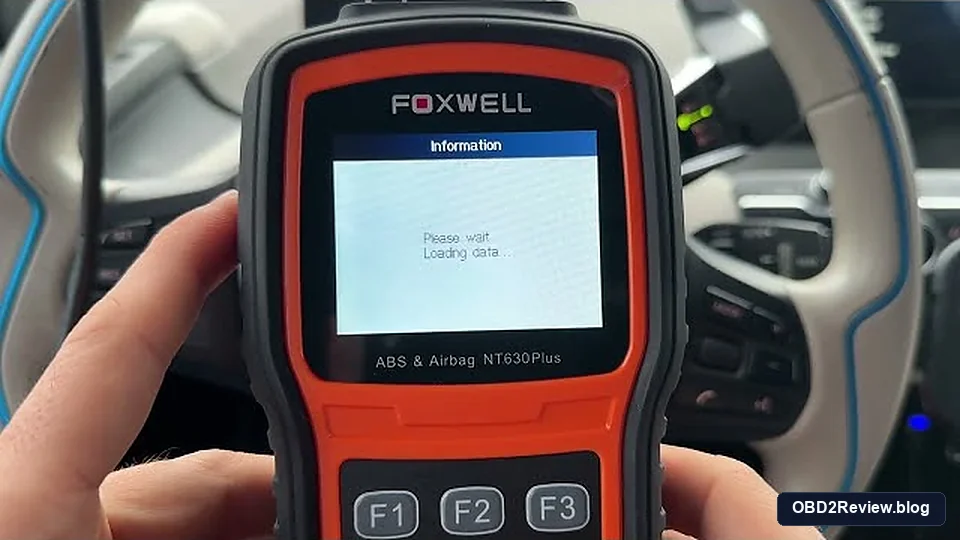
Technicians analyzing complex vehicle networks must consider whether they need dedicated brake bleeding functions or complete service reset suites. Understanding these fundamental architectural differences prevents costly tool misapplication in professional environments.
Both tools leverage multiplexer architecture to switch communication pins automatically. The NT630 focuses strictly on ABS and SRS modules, while the NT650 expands protocol coverage to include transmission and engine control units.
Engineers designed these units to process ISO 9141, KWP2000, and CAN bus protocols. Selecting the correct tool requires evaluating whether your daily diagnostic workflows demand comprehensive powertrain access or targeted chassis safety system testing.
- Specialized ABS and SRS focus on the NT630 platform.
- Expanded multi-system coverage integrated within the NT650 architecture.
- Protocol parsing speeds vary by electronic control unit complexity.
Specialized Sensor Calibration Capabilities
Steering angle sensor calibration requires precise data streams from the chassis control module during alignment procedures. Both scanners handle these adjustments effectively, but the NT650 software includes significantly wider vehicle manufacturer coverage.
Technicians performing routine suspension work will appreciate the direct access diagnostic menus built into each interface. Evaluating exact vehicle compatibility remains essential before tackling advanced steering angle resets in the service bay.
- Steering angle sensor resets supported on both devices.
- Broader make coverage available on the NT650 platform.
Hardware Ergonomics and Build Durability
Workshop environments expose diagnostic equipment to harsh chemicals, accidental drops, and extreme temperature fluctuations daily. Both units feature ruggedized rubber housings designed to absorb moderate impacts during routine automotive service operations.
Ergonomic considerations heavily influence technician productivity during extended diagnostic sessions under heavy workloads. The physical button layouts and screen bezel designs dictate how easily operators navigate menus wearing shop gloves.
Heavy-duty ABS polymer housings protect internal circuit boards from shop floor impacts. Rubberized hand grips enhance grip security when wearing oily gloves, meeting standard automotive workshop ergonomics for daily mechanical repair environments.
Tactile rubber keypads withstand repetitive pressing and resist common petroleum fluids. The integrated 4.3-inch display panels utilize impact-resistant glass to prevent scratching during active under-dash diagnostic plug insertions and removals.
- Ruggedized rubber armor protects against accidental drops.
- Ergonomic keypads designed for gloved hand operation.
- Durable display bezels resist scratches and impacts.
Protective Casing and Chemical Resistance
Protective casing materials must resist oil, brake fluid, and gasoline splashes in busy shops. Our foxwell nt301 code reader review explains how these durable polymers prevent chemical degradation during repairs.
Keypad tactile feedback ensures reliable inputs when technicians operate the device with greasy hands or protective gloves. This mechanical durability directly impacts long-term tool reliability in high-volume maintenance facilities.
- Polymer blends resist shop fluid degradation.
- Sealed keypads prevent internal moisture ingress.
Performance Metrics and Scan Speed
Diagnostic scan speed determines how quickly a technician can identify intermittent fault codes across multiple modules. Our foxwell nt710 review details how internal processors dictate fast live sensor data refresh rates.
Bench testing reveals that both handheld tools boot up rapidly from cold starts without unnecessary delays. However, deep system scans on luxury vehicles exhibit minor processing speed variations favoring the newer platform.
ARM-based processors execute module auto-ID sequences within seconds. The NT650 processes broader data streams due to expanded firmware, whereas the NT630 delivers rapid module polling strictly limited to chassis safety network nodes.
Live data graphing refresh rates hover near twenty frames per second on both devices. Technicians analyzing intermittent sensor dropouts will appreciate this stable bus communication during high-speed parameter identification and graphing sessions.
- Rapid boot times from cold system initialization.
- Real-time sensor data graphing capabilities.
- Optimized processing speed on modern CAN networks.
Live Data Graphing and PID Recording
Live data graphing capabilities allow operators to monitor sensor voltage fluctuations in real-time graphic formats. Evaluating graphing refresh rates helps technicians catch erratic sensor behavior before replacing expensive electronic components.
Data recording features let users capture intermittent fault parameters while driving the vehicle under load conditions. Reviewing these logged PID files back at the workbench streamlines complex driveability diagnosis.
- Multi-channel PID graphing on color displays.
- Internal memory logging for later review.
Power Management and Interface Design
Diagnostic equipment relies entirely on stable power delivery through the vehicle OBD-II data link connector port. When bench testing away from a car, auxiliary USB power cables maintain uninterrupted system operation seamlessly.
Voltage drop protection prevents data corruption during heavy engine cranking events while performing live diagnostic scans. Understanding power consumption characteristics ensures reliable operation throughout extended diagnostic troubleshooting sessions.
Scanners draw operating current directly from the vehicle diagnostic link connector. An internal lithium-ion battery provides backup power for offline data review, preventing memory loss when moving between different customer vehicles in lots.
The physical layout features distinct navigation buttons positioned around a central enter key. This interface layout minimizes menu traversal errors, ensuring technicians can execute diagnostic trouble code clearing procedures safely without accidental resets.
- Vehicle power supplied via standard OBD-II cable.
- USB backup power for off-vehicle bench work.
- Stable voltage regulation protects internal microprocessors.
Display Clarity and Keypad Layout
Interface menu navigation relies on physical directional keypads rather than touchscreens in these specific models. This traditional button layout prevents accidental inputs caused by greasy fingers or stray cable interference.
Screen legibility under direct sunlight remains a critical factor for technicians working outdoors or in bright shops. High-contrast TFT displays maintain adequate readability across diverse ambient lighting conditions without excessive battery drain.
- Physical buttons ensure reliability with greasy hands.
- High-contrast TFT screens visible in bright sunlight.
Software Update Procedures and Licensing
Keeping diagnostic software current ensures compatibility with newly released vehicle platforms and updated manufacturer control modules. Manufacturers provide dedicated update client software that manages firmware upgrades via standard USB internet connections.
Licensing procedures require registering the device serial number on the official manufacturer website before downloading files. Understanding update frequencies helps shops plan maintenance schedules without disrupting daily diagnostic workflow requirements.
Foxwell utilizes a dedicated desktop client application for firmware installations. Users connect the device via standard USB cable to download free lifetime updates, ensuring compatibility with newly released vehicle communication protocols and modules.
Operating system updates require stable internet connections and proper driver installation. Failing to maintain current software packages can lead to communication timeout errors when attempting to diagnose late-model vehicles with updated gateway modules.
- Free lifetime updates reduce total cost of ownership.
- Windows-compatible client application manages downloads.
- Serial number registration unlocks official database access.
Firmware Stability and Data Transfer
Free lifetime software updates provide tremendous long-term value for independent repair shops managing tight equipment budgets. Users simply connect the handheld unit to a Windows computer to download the latest diagnostic packages.
Firmware update stability prevents corrupted memory blocks during large data transfers over standard network connections. Following proper disconnection protocols safeguards internal storage integrity during routine software maintenance operations.
- Simple USB connection for firmware downloads.
- Stable flash memory protects against data corruption.
Workload Integration and Shop Suitability
Selecting the appropriate diagnostic tool depends heavily on daily repair volume. Our comprehensive foxwell nt650 review details how general shops benefit from expansive system coverage during standard service routines.
Return on investment calculations should factor in both initial acquisition costs and long-term diagnostic capability expansions. Equipping your technicians with the correct tool eliminates unnecessary sublet repair expenses and boosts shop profitability.
Independent repair shops benefit from the plug-and-play nature of these diagnostic tools. They serve as reliable secondary devices that free up advanced high-end diagnostic tablets for more complex programming and module flashing tasks.
Mobile mechanics value the lightweight construction and rugged storage case inclusions. These attributes streamline transport between service calls while protecting sensitive electronic components from extreme ambient temperatures and excessive moisture exposure.
- Matched to specific shop repair specializations.
- Reduces reliance on expensive dealership programming.
- Streamlines daily vehicle intake and diagnostic triage.
Hydraulic Modulator and Bleed Procedures
Specialized ABS service routines require precise bidirectional control commands to cycle electronic hydraulic modulator valves. Both diagnostic units execute automated bleed sequences effectively on supported domestic and Asian vehicle applications.
European vehicle support introduces complex protocol requirements that test the limits of entry-level diagnostic hardware. Verifying specific chassis coverage before purchase prevents compatibility issues when servicing high-end luxury automobiles.
- Automated ABS bleeding routines supported.
- Bidirectional control for modulator valve cycling.
Maintenance Protocols and Longevity Factors
Proper hardware maintenance extends the operational lifespan of diagnostic equipment subjected to demanding daily shop environments. Storing cables properly and avoiding sharp bends prevents internal conductor fatigue within the main OBD-II harness.
Routine screen cleaning and connector pin inspections prevent intermittent communication errors between the scanner and vehicle. Implementing basic preventative care routines ensures dependable performance across thousands of diagnostic scanning cycles.
Maintaining the diagnostic interface requires periodic cleaning of the OBD-II connector pins. Technicians should apply electrical contact cleaner to prevent oxidation and ensure reliable signal transmission across high-frequency Controller Area Network buses.
Proper storage habits significantly extend the operational lifespan of handheld scan tools. Keeping devices away from direct sunlight and extreme cold protects liquid crystal displays from permanent thermal degradation and backlight failure issues.
- Proper cable storage prevents internal wire breakage.
- Routine pin inspection avoids communication dropouts.
- Protective housing shields internal circuit boards.
Connector Care and Storage Best Practices
Diagnostic connector pins require occasional cleaning with electrical contact cleaner to maintain low resistance pathways. Preventing oxidation on these vital connection points eliminates frustrating communication dropouts during crucial testing procedures.
Storage case usage protects vulnerable LCD screens and keypads from accidental impact damage inside service trucks. Investing in a dedicated protective pouch safeguards your investment against everyday shop floor hazards.
- Contact cleaner preserves OBD-II connector integrity.
- Protective cases prevent accidental screen damage.
Frequently Asked Questions
Can both scanners perform automated electronic parking brake retraction procedures?
The Foxwell NT650 includes comprehensive electronic parking brake service functions, oil reset capabilities, and battery registration across numerous global vehicle platforms.
Conversely, the specialized NT630 focuses primarily on ABS and airbag diagnostics rather than offering expanded multi-system service maintenance routines required by general repair shops.
Are software updates free for the lifetime of these Foxwell diagnostic devices?
Manufacturer policy provides free lifetime internet updates for both handheld diagnostic tool models through a Windows computer client. Users simply register their unique device serial number on the official website to download the latest vehicle software packages.
Do these scanners require an internal battery or do they draw power from the car?
Both diagnostic units draw operating power directly through the vehicle OBD-II data link connector when plugged into a vehicle dashboard port. Technicians can also power the devices using an auxiliary USB cable while performing bench testing away from an automobile.
Can the Foxwell NT630 clearSRS crash data after an accident?
The Foxwell NT630 reads and clears airbag fault codes and resets warning lights on supported vehicle makes during routine collision repairs. However, neither scanner is designed to rewrite permanent permanent crash data memory stored inside locked airbag control modules.
Which scanner is better suited for a general independent automotive repair facility?
The Foxwell NT650 serves general repair shops better by offering expansive multi-system coverage encompassing engine, transmission, ABS, airbag, and body control modules. Choosing the NT650 eliminates the need to purchase multiple single-system diagnostic scanners for everyday vehicle troubleshooting tasks.