Bluedriver vs. Veepeak: Which Fits Your Setup Better?
Evaluating wireless OBD2 hardware requires examining firmware reliability and diagnostic breadth. This guide compares BlueDriver against Veepeak for professional technicians.

BlueDriver excels in comprehensive proprietary diagnostics with included software. Meanwhile, Veepeak provides exceptional value for generic OBD2 streaming apps.
Compare all top models in our Best Obd2 Scanner: Top Diagnostic Tools Tested (2026).
Side-by-Side Breakdown
| Criteria | Bluedriver | Veepeak | Edge |
|---|---|---|---|
| Peak Performance & Output | Advanced multi-protocol handling | Standard ELM327 processing | Bluedriver |
| Duty Cycle & Consistency | High stability under heavy scans | Reliable for routine monitoring | Bluedriver |
| Operating Noise & Vibration | Silent solid-state operation | Silent solid-state operation | Tie |
| Portability & Footprint | Flexible compact form factor | Ultra-low profile design | Veepeak |
| Maintenance & Service Life | Automatic app-managed updates | Minimal routine maintenance | Bluedriver |
| Power Requirements | Low-power automatic sleep mode | Minimal standby current draw | Tie |
| Best Ideal Use-Case | Deep multi-module troubleshooting | Affordable emission code reading | Split |
Microcontroller Architecture and Hardware Design
Wireless diagnostic adapters rely on stable microcontroller units to parse vehicle communication bus data efficiently. BlueDriver integrates a dedicated proprietary chip architecture for seamless multi-protocol support.
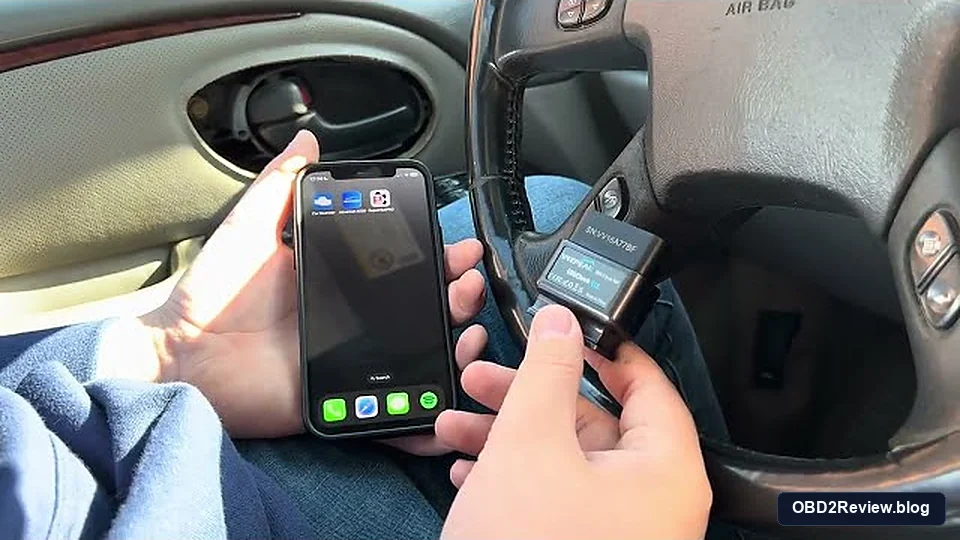
Budget adapters often cut corners on internal multiplexer components to reduce manufacturing costs. Veepeak balances affordability by utilizing standard ELM327-compatible chipsets optimized for common mobile scanning applications.
Understanding these foundational hardware differences helps technicians select the right tool for deep electrical troubleshooting. Protocol compatibility dictates whether advanced ABS and airbag modules communicate properly.
The BlueDriver hardware relies on a robust STMicroelectronics ARM Cortex microcontroller paired with dedicated flash memory. This architecture supports firmware updates directly through mobile apps without external hardware programmers or physical jumper configurations.
Veepeak devices typically utilize cost-effective PIC microcontrollers or lower-tier integrated circuits. While adequate for basic generic OBD2 reading, these chips lack the processing headroom required for heavy concurrent proprietary module queries.
Thermal management inside these compact OBD2 housings is critical. The BlueDriver employs a surface-mount design with better heat dissipation, whereas cheaper alternatives may suffer from thermal throttling during extended diagnostic sessions on hot days.
- BlueDriver utilizes custom firmware architecture.
- Veepeak leverages standard ELM327 chips.
- Multiplexer quality impacts module coverage.
Core Processing Capabilities
Advanced microcontrollers process heavy data loads without introducing frustrating execution delays during heavy diagnostics. Discover advanced features in our guide to Mode 6 diagnostics for comprehensive vehicle testing.
Standard consumer chipsets handle basic emissions monitoring well but may struggle under intensive diagnostic workloads. Veepeak focuses on efficient standard OBD2 communication processing.
- Processors manage heavy module loads.
- Standard chips handle emissions well.
Protocol Handshake Speeds and Bus Polling
Establishing a fast connection with the vehicle powertrain control module requires robust baud rate management. BlueDriver minimizes handshake latency during initial diagnostic session initialization routines.
Consumer-grade adapters occasionally experience dropped packets when polling high-speed CAN networks rapidly. Veepeak maintains steady communication streams under normal operating conditions.
Minimizing connection drops ensures continuous data logging without frustrating interruptions in the garage. Fast handshakes improve overall diagnostic efficiency significantly.
Establishing a connection requires precise timing during the ISO 9141-2 initialization phase. BlueDriver optimizes this handshake sequence to minimize initial delay, connecting to vehicle networks significantly faster than most budget adapters.
Bus polling efficiency dictates how quickly trouble codes populate on your screen. Veepeak adapters sometimes struggle with high-speed CAN bus filtering, resulting in dropped frames or slower refresh intervals when querying multiple vehicle ECUs.
Multi-protocol auto-detection is another differentiating engineering factor. A superior adapter cycles through SAE J1850 PWM and VPW standards seamlessly, avoiding timeout errors that frustrate technicians working on mixed-fleet vehicle repair jobs.
- Handshake latency affects user experience.
- CAN bus polling requires stability.
- Connection drops disrupt data logging.
CAN Bus Integration
Modern vehicles utilize complex controller area network architectures requiring high-speed data filtering capabilities. BlueDriver handles high-speed CAN traffic smoothly across multiple vehicle systems.
Standard ELM-based units parse basic engine parameters efficiently while managing routine diagnostic request queues. Veepeak delivers reliable standard CAN bus communication performance.
- Complex CAN networks need filtering.
- Standard units parse engine parameters.
Enhanced Diagnostics and Parameter ID Coverage
Professional diagnostics demand access to enhanced manufacturer-specific parameter IDs beyond basic powertrain emissions. BlueDriver includes comprehensive access to ABS, airbag, and transmission control modules.
Entry-level hardware typically restricts users to standard emission-related diagnostic trouble codes and basic live data. Veepeak shines when paired with software highlighted in our best app for Veepeak guide for monitoring.
Choosing between comprehensive native software and flexible app ecosystems depends on daily repair workflows. Enhanced diagnostics save hours of manual circuit tracing in the shop.
Generic OBD2 tools only read powertrain faults governed by federal emissions mandates. BlueDriver bypasses this limitation by licensing manufacturer-specific enhanced diagnostic routines for ABS, airbag, and transmission control modules across major brands.
Veepeak adapters generally restrict operations to standard parameter IDs unless paired with third-party apps like Torque Pro or Car Scanner ELM. Even then, deep proprietary module access remains limited by the hardware filtering capabilities.
PID refresh rates depend heavily on how many sensors you select simultaneously. Selecting more than ten parameters on a Veepeak often introduces noticeable lag due to restricted buffer memory inside the cheap serial interface chips.
- Native apps unlock hidden module data.
- Generic tools rely on third-party software.
- Enhanced PIDs accelerate fault isolation.
Module Coverage Breadth
Accessing proprietary body and chassis control modules requires specialized software licensing and robust firmware. BlueDriver unlocks deep system diagnostics across diverse automotive brands.
Standard OBD2 compliance guarantees access to emission data across all modern vehicles manufactured recently. Veepeak masters universal powertrain monitoring with exceptional reliability.
- Proprietary modules need licensing.
- Universal compliance ensures emissions access.
Live Data Graphing and Refresh Latency
Monitoring real-time sensor behavior helps technicians catch intermittent electrical glitches and sensor dropouts. BlueDriver renders live graphing smoothly across multiple customizable gauges.
Refresh rates vary significantly depending on the smartphone processing power and adapter firmware. Veepeak delivers adequate frame rates when using lightweight dashboard applications.
Low latency visualization is essential for diagnosing complex fuel trim and sensor response issues. Graph smoothness directly influences diagnostic accuracy.
Real-time sensor graphing demands high data throughput from the vehicle bus to the smartphone screen. BlueDriver maintains a steady sampling rate that prevents stuttering when rendering complex multi-parameter line graphs of oxygen sensors.
Latency spikes can obscure intermittent engine misfires or sudden pressure drops. Cheaper adapters suffer from buffer overflows when handling rapid data streams, causing data packets to drop and rendering diagnostic graphs completely unreliable.
Bluetooth bandwidth limitations also affect graphing performance. Upgraded Bluetooth 4.0 LE protocols used in premium scanners offer better packet management than older legacy Bluetooth 2.1 chips found in budget monitoring hardware.
- Refresh rates impact live troubleshooting.
- Custom gauges improve readability.
- Low latency aids sensor checks.
Parameter Refresh Rates
Fast parameter refresh rates allow mechanics to observe rapid voltage fluctuations in sensors. BlueDriver optimizes data throughput to minimize screen stutter.
Standard consumer tools balance update speeds to prevent overloading mobile device Bluetooth processors. Veepeak provides stable refresh rates during standard dashboard monitoring.
- Fast refresh highlights voltage jumps.
- Consumer tools balance update speeds.
Enclosure Materials and Physical Ergonomics
Daily shop environments subject diagnostic tools to drops, grease, and extreme temperature fluctuations. BlueDriver features a ruggedized thermoplastic housing designed for harsh mechanical conditions.
Compact consumer adapters prioritize a low profile to prevent accidental bumps while driving. Veepeak utilizes a lightweight plastic shell that sits flush inside most vehicle dashboards.
Physical durability ensures your diagnostic investment survives the daily rigors of professional automotive repair bays. Enclosure materials dictate long-term resistance to shop fluids.
Daily shop usage demands durable engineering plastics like polycarbonate ABS blends. BlueDriver builds its enclosures with impact-resistant polymers designed to withstand being dropped on concrete floors or crushed under toolboxes.
Physical clearance around the dashboard OBD2 port varies drastically between vehicle models. A bulky adapter housing can block your knees or require an extension cable, making low-profile designs much safer for daily drivers.
Connector pin durability is another vital mechanical consideration. High-grade nickel-plated brass pins resist oxidation and maintain solid electrical contact even after hundreds of mating cycles in dusty, unsealed under-dash environments.
- Rugged plastics resist workshop wear.
- Low-profile designs prevent accidental impacts.
- Housing seals protect internal circuits.
Under-Dash Clearance
Tucked-away under-dash ports can make connecting bulky diagnostic adapters challenging. BlueDriver incorporates a flexible form factor to fit tight footwell clearances.
Ultra-compact form factors ensure the adapter never interferes with driver leg movements during test drives. Veepeak excels in tight spaces where clearance is severely restricted.
- Footwell clearances vary greatly.
- Compact forms avoid leg collisions.
Proprietary Software versus Open Ecosystems
Hardware capability is only as good as the software interface translating the data streams. BlueDriver bundles a proprietary, highly polished application with lifetime free updates.
Open-architecture adapters rely on independent developers to provide functional mobile applications for users. Veepeak works seamlessly with popular diagnostic apps like Torque and Car Scanner.
Evaluating app subscription models helps prevent unexpected long-term costs during vehicle maintenance routines. Software integration defines the overall user diagnostic experience.
The closed-ecosystem model locks users into a specific manufacturer app. BlueDriver provides a polished, all-inclusive software package where enhanced diagnostics, repair reports, and maintenance schedules live under one unified user interface.
Open-ecosystem adapters embrace third-party apps like Torque Pro and OBD Fusion. This flexibility allows advanced users to customize dashboards, configure custom PID formulas, and export raw CSV log files for offline engineering analysis.
Software stability varies wildly between these two distinct design philosophies. Proprietary apps undergo rigorous regression testing, whereas open-source apps often break after major mobile operating system updates requiring frequent developer patches.
- Proprietary apps offer guided troubleshooting.
- Third-party apps provide deep customization.
- Software updates ensure protocol longevity.
Report Generation Features
Generating comprehensive pre-scan and post-scan health reports streamlines customer communication in busy repair shops. You can read more about these software capabilities in our BlueDriver Bluetooth Pro review.
Basic adapters require manual exporting of raw comma-separated data for external record-keeping and analysis. Veepeak users depend on third-party logging features for reporting.
- Verified fixes streamline workflow.
- Raw logs require external formatting.
Power Management and Parasitic Battery Drain
Leaving wireless diagnostic adapters plugged in overnight can drain vehicle batteries if poorly engineered. BlueDriver incorporates an automatic sleep mode to conserve parasitic power.
Continuous Bluetooth radio broadcasting requires efficient power management circuits inside compact diagnostic dongles. Veepeak draws minimal standby current while maintaining low-energy wireless pairing.
Mechanics need confidence that leaving a tool plugged in will not result in a dead battery. Parasitic draw testing confirms reliable low-power standby operation.
Leaving an OBD2 scanner plugged in overnight can cause severe parasitic battery drain. As noted in our BlueDriver Pro review, the tool features an advanced auto-sleep mode for protection.
Budget adapters often lack sophisticated power management circuits, keeping their Bluetooth radios fully active indefinitely. This oversight drains vehicle batteries dead over a long weekend, stranding unsuspecting motorists with no warning.
Quiescent current draw is a crucial engineering metric for permanent installation. Premium diagnostic adapters measure idle current in microamps, whereas poorly designed modules draw enough milliamps to compromise older starting batteries.
- Automatic sleep preserves battery health.
- Low standby current prevents drainage.
- Power management protects vehicle electronics.
Wireless Pairing Stability
Maintaining a stable Bluetooth link prevents frustrating disconnections during extended diagnostic logging sessions. BlueDriver pairs quickly with both iOS and Android mobile platforms.
Connection dropouts disrupt live data recording and force technicians to restart diagnostic scanning procedures. Veepeak establishes fast wireless connections using optimized pairing protocols.
- Bluetooth stability ensures logging.
- Cross-platform pairing simplifies setup.
Maintenance Protocols and Diagnostic Safety
Proper handling and firmware maintenance extend the operational lifespan of automotive diagnostic equipment. BlueDriver manages software updates automatically through connected mobile device applications.
Keeping diagnostic ports clean and preventing moisture accumulation protects both vehicle pins and hardware. Veepeak requires minimal maintenance beyond routine firmware checks inside companion apps.
Adhering to manufacturer safety guidelines prevents electrical surges and data bus communication errors. Proper maintenance safeguards delicate automotive control modules.
Resetting oil life monitors and electronic parking brakes requires precise command sequences. Safe diagnostic safety protocols prevent accidental module corruption during critical service resets like steering angle sensor calibrations or battery registrations.
Cheap adapters running unverified third-party software occasionally send malformed initialization strings. These erroneous commands can freeze vehicle modules, triggering permanent diagnostic trouble codes that require professional dealership intervention to clear.
Following proper maintenance workflows protects sensitive vehicle networks from voltage spikes. Always verify ignition status before inserting or removing scan tools to prevent electrical arcs across vulnerable diagnostic communication bus pins.
- Automatic updates simplify software maintenance.
- Clean diagnostic ports ensure connectivity.
- Safety protocols protect vehicle networks.
Diagnostic Safety Standards
Over-voltage protection circuits shield sensitive scanner hardware from sudden vehicle electrical system spikes. BlueDriver integrates robust transient voltage suppression components.
Meeting strict electromagnetic compatibility standards ensures diagnostic tools do not interfere with vehicle modules. Veepeak complies with essential regulatory emission benchmarks.
- Voltage suppression prevents damage.
- Regulatory compliance ensures safety.
Frequently Asked Questions
Can both adapters read ABS and airbag codes?
BlueDriver includes comprehensive enhanced diagnostics for ABS and airbags out of the box. Veepeak typically requires compatible third-party software to access non-powertrain modules.
Do these wireless scanners drain the car battery?
BlueDriver features an automatic sleep mode to minimize parasitic battery drain. Veepeak draws very low standby current, but unplugging it during long storage is recommended.
Are software updates free for both devices?
BlueDriver offers lifetime free software updates through its proprietary mobile application. Veepeak updates depend entirely on the specific third-party app you choose to pair.
Which adapter works better with iOS devices?
BlueDriver pairs seamlessly with iOS using a direct Bluetooth connection protocol. Veepeak offers specific iOS-compatible BLE models required for Apple mobile device pairing.
Can I use third-party apps with BlueDriver?
BlueDriver is designed to operate primarily with its proprietary application for maximum diagnostic depth. Veepeak thrives on open architecture, supporting dozens of third-party dashboard apps.