Bluedriver vs. Innova: Which Fits Your Setup Better?
Evaluating app-driven diagnostic agility against standalone hardware reliability. We dissect exact engineering trade-offs to guide your diagnostic workflow.
Choose BlueDriver for unmatched smartphone integration and portable data logging. Select Innova for rugged standalone workspace durability and instantaneous hardware execution.
Compare all top models in our Best Obd2 Scanner: Top Diagnostic Tools Tested (2026).
Side-by-Side Breakdown
| Criteria | Bluedriver | Innova | Edge |
|---|---|---|---|
| Peak Performance & Output | High-definition wireless graphing | Instantaneous wired screen response | Tie |
| Duty Cycle & Consistency | Dependent on phone battery | Dedicated bus or internal power | Innova |
| Operating Noise & Vibration | Silent solid-state wireless link | Silent physical button feedback | Tie |
| Portability & Footprint | Ultra-compact flush dash profile | Handheld unit with attached cable | Bluedriver |
| Maintenance & Service Life | App updates handle software longevity | Robust drop-tested polymer armor | Innova |
| Power Requirements | Minimal parasitic DLC current draw | Vehicle bus plus internal battery | Bluedriver |
| Best Ideal Use-Case | Mobile DIYers and cloud loggers | Professional shop floor mechanics | Split |
Architectural Design and Interface Philosophy
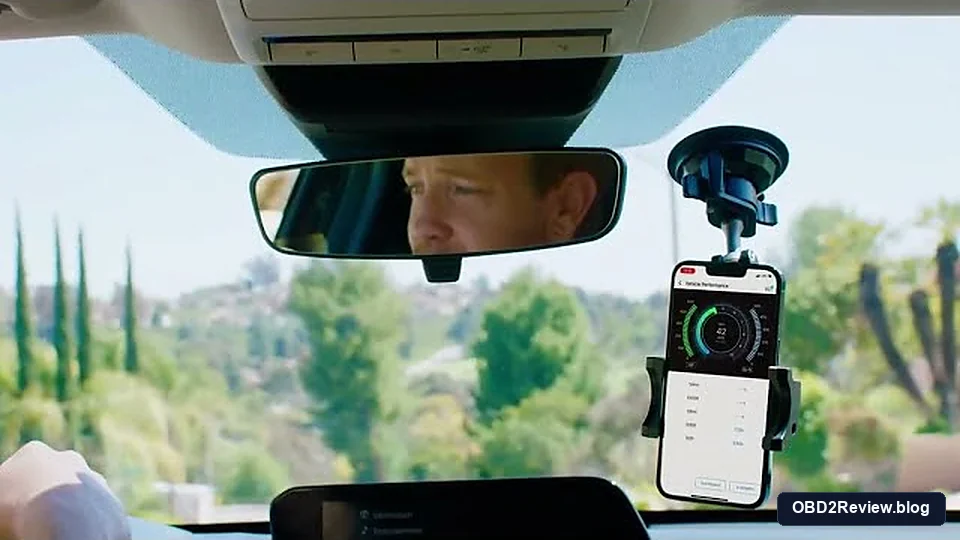
BlueDriver leverages a compact Bluetooth dongle paired with smartphone operating systems. This architecture delivers fluid touch controls, automatic software updates, and exceptional graphical data presentation for mobile technicians.
As explored in our Innova 5210 review, the brand relies on traditional standalone hardware equipped with physical buttons and integrated screens. Such a design eliminates mobile device dependencies, ensuring uninterrupted workshop sessions.
BlueDriver relies entirely on a smartphone bridge, utilizing Bluetooth LE to stream telemetry data. This design minimizes physical hardware complexity, reducing potential failure points within the main OBD2 dongle interface.
Conversely, Innova handheld units feature integrated LCD screens and dedicated tactile keypads. This standalone architecture eliminates reliance on external mobile operating systems, ensuring immediate firmware stability during critical field diagnostic procedures.
- Smartphone dependency enables cloud syncing
- Dedicated handhelds resist harsh workshop environments
- Interface choices dictate daily operational speed
Hardware Versus App-Driven Control
Mobile applications provide superior screen resolutions and pinch-to-zoom graphing capabilities. However, Bluetooth pairing drops can occasionally interrupt critical live data logging sequences during road tests.
Standalone units bypass pairing altogether through direct OBD-II port anchoring. Their rugged buttons withstand chemical exposure, though screen sizes remain constrained compared to modern mobile displays.
- Pinch-to-zoom enhances data visualization
- Direct port anchoring prevents signal drops
Performance and Real-World Diagnostic Output
Highlights from our Innova 5410 review show how data refresh rates dictate how quickly trouble codes populate. BlueDriver streams rapid parameter IDs wirelessly, whereas standalone alternatives process diagnostics internally.
Real-world scanning demands zero latency when monitoring volatile fuel trim adjustments or misfire counts. Both platforms deliver dependable diagnostic trouble codes, but user interaction speeds vary significantly.
Data refresh rates depend heavily on the chosen connection method and processor capability. The smartphone-backed platform processes complex parameter IDs quickly, delivering smooth live graphing capabilities for advanced engine tuning diagnostics.
Dedicated hardware scanners process diagnostic trouble codes through optimized internal microcontrollers. While screens are smaller, the direct bus communication reduces latency, providing stable data streaming without dropped packet interruptions.
- Wireless streaming offers high-definition graphing
- Wired execution guarantees zero connectivity latency
- Fast PID polling aids intermittent fault isolation
Live Data Streaming and PID Polling Speeds
Monitoring multiple parameters simultaneously tests processor bandwidth on any diagnostic tool. The wireless interface manages heavy data loads efficiently when paired with high-performance smartphone hardware.
Standalone hardware optimizes internal resources strictly for automotive diagnostic routines. This dedicated focus prevents background application interference common on multi-tasking mobile operating systems.
- Multi-parameter tracking tests bandwidth limits
- Dedicated processors eliminate background app lag
Build Quality, Maintenance and Environmental Durability
As noted in our Innova 5610 scanner review, physical resilience determines longevity within professional repair facilities. Innova constructs tools using impact-resistant polymers designed to survive brutal drops onto concrete floors.
BlueDriver prioritizes a minimalist, pocket-sized footprint that plugs flush beneath steering columns. While less armored against severe physical abuse, its streamlined enclosure requires minimal maintenance and simple storage.
Automotive shop environments demand robust construction materials that resist harsh chemical exposure. BlueDriver uses a compact molded plastic housing, requiring careful storage to prevent losing the detachable tether or damaging internal pins.
Innova devices feature ruggedized rubber boots designed to absorb severe workbench impacts. Their physical architecture withstands accidental drops onto concrete floors, minimizing long-term maintenance costs in professional service garage environments.
- Impact-resistant plastics protect standalone housings
- Compact wireless dongles reduce dash clutter
- Regular firmware updates maintain long-term software health
Thermal Thresholds and Drop Resistance
Diagnostic hardware frequently encounters extreme cabin temperatures during summer diagnostic procedures. Both units utilize thermally stable plastics, preventing warp or electronic degradation under direct sunlight.
Drop testing reveals that heavy rubberized housings on standalone tools absorb impact energy effectively. Conversely, flush-mounted wireless adapters avoid snagging on driver knees during normal entry and exit.
- Thermally stable plastics resist cabin heat
- Rubberized grips absorb harsh workshop impacts
Noise, Power Efficiency and Footprint Metrics
Parasitic draw is a critical consideration for any device connected to the diagnostic link connector. BlueDriver draws minimal current from the vehicle battery while maintaining an active Bluetooth link.
As detailed in our Innova 5610 review, these units draw operational power directly from the vehicle bus. Managing power efficiently prevents battery depletion during extended diagnostic troubleshooting sessions involving key-on engine-off testing.
Parasitic battery drain is a critical concern when diagnostic tools remain plugged in overnight. Both systems incorporate automatic sleep modes, drawing minimal quiescent current to protect your vehicle's starting battery voltage.
Physical footprint metrics heavily favor ultra-compact wireless dongles that sit flush beneath the dash. Handheld units require dedicated storage space in tool chests, but they eliminate cluttered smartphone mounts during active diagnostic testing.
- Low standby current prevents vehicle battery drain
- Integrated batteries support off-vehicle code review
- Minimal spatial footprint avoids driver knee obstruction
Spatial Footprint and Auxiliary Power Management
Bulky scan tools can obstruct pedal operation if left connected during dynamic road testing. Low-profile wireless transmitters eliminate this hazard entirely by hiding completely beneath the dashboard panel.
Standalone diagnostic tools require careful cable management inside cramped driver footwells. Their internal power cells nevertheless allow technicians to review freeze-frame data safely away from the vehicle.
- Low-profile designs keep pedals unobstructed
- Internal batteries allow off-vehicle analysis
Diagnostic Scope and Manufacturer Coverage
Comprehensive code coverage separates professional diagnostic equipment from basic code readers. Both platforms pull enhanced powertrain, body, and chassis codes across most major global automotive manufacturers.
Repair verification databases integrated into mobile apps provide direct pathways to verified fixes. Standalone tools rely on onboard memory and internal dictionaries to suggest localized repair procedures.
Comprehensive module scanning requires deep access beyond standard powertrain emission codes. BlueDriver excels at reading enhanced chassis and body codes, integrating extensive repair database suggestions directly into the companion mobile software interface.
Innova platforms provide robust ABS, SRS, and transmission diagnostics with integrated live fix verification. Their software focuses heavily on OEM-specific diagnostic trouble codes, ensuring technicians diagnose complex multi-system electrical faults accurately.
- Enhanced diagnostics cover ABS and SRS modules
- Integrated repair databases streamline technician workflows
- Extensive global vehicle compatibility ensures high versatility
Advanced System Testing and Repair Verification
Modern vehicles require deep module access beyond standard emissions troubleshooting. Technicians rely on these tools to command bi-directional functions or reset electronic service indicators efficiently.
Accessing manufacturer-specific sub-systems demands robust protocol translation capabilities. Both options handle standard OBD-II protocols effortlessly, expanding into proprietary networks through regular software upgrades.
- Deep module access supports bi-directional tests
- Protocol translation handles proprietary networks
Which Option Fits Your Specific Workload
Selecting the right device depends entirely on your daily diagnostic environment and personal preferences. Mobile enthusiasts benefit immensely from the expansive screen real estate and cloud archiving capabilities.
Professional technicians working in high-volume shops will appreciate the instant readiness of dedicated hardware. Evaluate your workspace demands carefully before committing to either ecosystem for daily use.
Choosing the correct tool depends on your daily operational environment and technical expertise. DIYers seeking intuitive interfaces and cloud-backed report storage will appreciate the streamlined wireless workflow of smartphone-integrated diagnostic systems.
Professional technicians requiring instant boot times and standalone reliability should prioritize dedicated handheld units. Their rugged build quality and offline capability ensure uninterrupted operation during demanding heavy-duty diagnostics tasks.
- Mobile setups favor tech-savvy DIYers and inspectors
- Standalone tools serve busy professional shop environments
- Match your tool choice to primary diagnostic tasks
Tailoring Your Tool Choice to Daily Operations
Weekend mechanics saving diagnostic history across multiple family vehicles will find cloud storage invaluable. The ability to email comprehensive health reports directly to customers streamlines service operations.
Professional environments demand tools that withstand grease, drops, and hurried usage patterns. Dedicated hardware units deliver immediate physical feedback and eliminate the risk of mobile distractions.
- Cloud storage preserves long-term vehicle history
- Standalone units resist greasy shop environments
Frequently Asked Questions
Can BlueDriver operate without an active internet connection?
Basic diagnostic trouble code reading and real-time sensor data streaming function completely offline using secure local Bluetooth pairing capabilities directly with your mobile device.
However, accessing extensive online repair verification databases, technical service bulletins, and cloud archiving features requires a stable cellular data or Wi-Fi network connection.
Do Innova scan tools require recurring software subscription fees?
Most standalone Innova diagnostic units include comprehensive lifetime firmware updates and extensive built-in vehicle repair databases without ever requiring any mandatory recurring subscription fees.
This customer-focused manufacturer policy ensures absolute long-term operational cost transparency and predictable budgeting for professional mechanics and dedicated weekend DIY enthusiasts maintaining diverse automotive fleets over many years.
Which scanner offers better live data graphing capabilities?
BlueDriver typically delivers vastly superior live data graphing performance due to high-resolution smartphone displays and highly responsive touch screen pinch-to-zoom interface capabilities.
Standalone Innova units provide reliable numerical and basic graphical metrics, but physical screen size constraints inherently limit complex multi-parameter visual comparisons during prolonged advanced automotive diagnostic troubleshooting sessions.
Are both tools capable of reading ABS and SRS trouble codes?
Yes, both diagnostic platforms extend far beyond basic powertrain emissions coverage to successfully access complex anti-lock braking and supplemental restraint system modules across most modern vehicles.
However, specific vehicle module compatibility and advanced bi-directional control capabilities can occasionally vary depending on the exact model year, trim level, and manufacturer proprietary communication protocols.
How do power requirements differ between these two diagnostic tools?
BlueDriver draws minimal electrical current directly from the vehicle diagnostic link connector while maintaining a low-energy wireless Bluetooth connection to your mobile device.
Innova hardware frequently incorporates internal rechargeable batteries alongside traditional vehicle bus power to conveniently permit off-vehicle trouble code review and comprehensive freeze-frame analysis in the workshop.