Bluedriver vs. Innova 5610: Which Fits Your Setup Better?
Selecting the right diagnostic tool requires balancing smartphone versatility against dedicated hardware reliability. This technical comparison analyzes both options for professional mechanics and demanding DIY enthusiasts.


Choose the Bluedriver for seamless smartphone integration and rapid wireless code reading on modern vehicles. Opt for the Innova 5610 when you require standalone bidirectional controls and robust wired reliability.
Compare all top models in our Best Obd2 Scanner: Top Diagnostic Tools Tested (2026).
Side-by-Side Breakdown
| Criteria | Bluedriver | Innova 5610 | Edge |
|---|---|---|---|
| Peak Performance & Output | Fast wireless data streaming via app | Standalone processor with live graphing | Innova 5610 |
| Duty Cycle & Consistency | Dependent on phone battery and Bluetooth | Direct OBD-II power with stable wired link | Innova 5610 |
| Operating Noise & Vibration | Silent solid-state wireless operation | Silent handheld unit with tactile buttons | Tie |
| Portability & Footprint | Ultra-compact pocket-sized dongle design | Rugged handheld tool with attached cable | Bluedriver |
| Maintenance & Service Life | Relies on smartphone OS software updates | Dedicated tool with free firmware updates | Innova 5610 |
| Power Requirements | Powered directly through the vehicle port | Powered by vehicle port or backup batteries | Innova 5610 |
| Best Ideal Use-Case | Quick mobile scans and report sharing | Advanced bidirectional active testing workflows | Innova 5610 |
Diagnostic Architecture and Interface Foundations
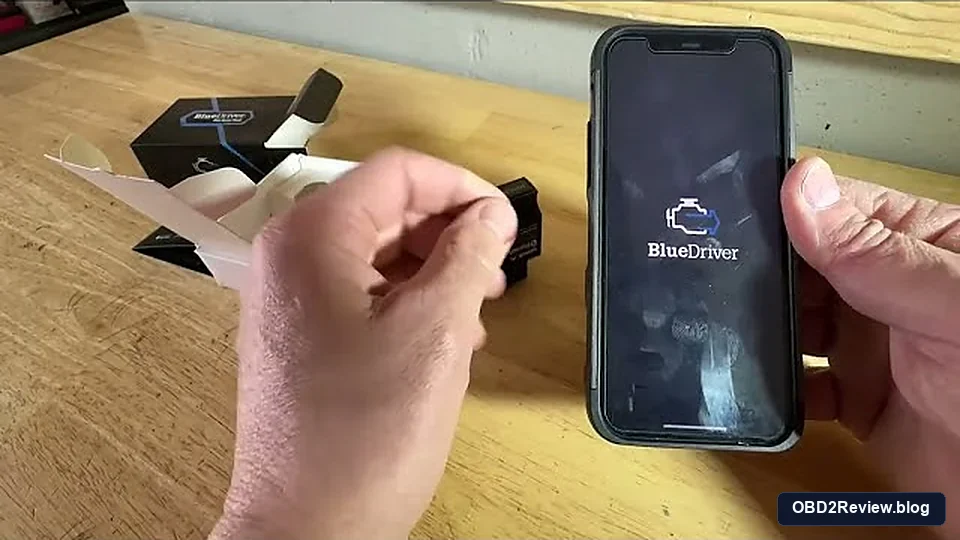
Modern vehicle diagnostics demand distinct architectural approaches to handle complex communication protocols. The Bluedriver utilizes a compact dongle that pairs wirelessly with mobile devices.
Conversely, the Innova 5610 employs a traditional standalone handheld architecture with an integrated color display. This fundamental hardware divergence dictates how technicians interact with live vehicle data.
Our detailed Innova 5610 review highlights how this standalone handheld architecture utilizes an integrated color display to deliver fast processing speeds and responsive diagnostic controls.
Hardware bus communication differs significantly because Bluetooth architecture introduces slight protocol translation overhead compared to the direct UART connection wired directly into the dedicated handheld diagnostic tool's main circuit board.
- Wireless mobile app processing versus dedicated handheld computing hardware.
- Bluetooth connectivity relies heavily on external smartphone operating systems.
- Wired standalone tools eliminate pairing drops during critical diagnostic sessions.
Evaluating Connectivity and Signal Reliability
Wireless dongles offer immense physical freedom inside cramped engine bays during testing. However, occasional Bluetooth interference can disrupt live data streaming protocols.
Wired handheld units maintain an unbroken physical connection to the diagnostic link connector. This ensures zero packet loss during prolonged diagnostic logging and active system tests.
- Bluetooth range allows remote monitoring inside the passenger cabin.
- Physical cables guarantee uninterrupted communication across all CAN buses.
Processing Speed and Real-World Output Analysis
Diagnostic speed directly impacts shop efficiency and roadside troubleshooting timelines significantly. The Bluedriver leverages modern smartphone processors to render clean diagnostic reports.
As noted in our Innova 5610 scanner review, the tool features a dedicated internal processor optimized for automotive diagnostics, accelerating graphing refresh rates during live monitoring.
Data refresh rates depend heavily on device memory allocation and wireless bandwidth limitations during extensive live data stream logging sessions across multiple controller area network vehicle diagnostic modules simultaneously.
The standalone handheld unit processes PID requests natively without packet dropouts, whereas smartphone-dependent apps can experience minor UI rendering lags during rapid graphical charting of high-frequency sensor updates.
- Smartphone processors provide crisp high-resolution graphical interface renderings.
- Dedicated diagnostic chips handle heavy multi-parameter PID polling seamlessly.
- Refresh rates determine how quickly intermittent sensor dropouts appear.
Live Data PIDs and Refresh Latency
Monitoring multiple sensor parameters simultaneously requires substantial processing bandwidth. The Innova unit manages high PID counts without noticeable stuttering or lag.
App-based systems occasionally experience minor rendering delays when streaming dozens of advanced parameters concurrently across wireless Bluetooth channels.
- High PID sampling rates catch rapid fuel trim fluctuations.
- Wireless latency can affect ultra-fast waveform graphing precision.
Build Quality, Maintenance, and Physical Durability
Automotive shop environments subject diagnostic equipment to grease, drops, and extreme temperatures. The Bluedriver features a minimalist plastic shell designed for glovebox storage.
The Innova 5610 utilizes an ergonomic, impact-resistant casing built to withstand daily professional abuse. Rubberized grips protect the unit from accidental workbench drops and impacts.
Garage environments demand robust enclosure materials capable of withstanding accidental drops, chemical exposure to brake fluid, and severe thermal fluctuations common inside unconditioned automotive repair shops and driveways.
The dedicated handheld scanner utilizes thick rubberized overmolding and impact-resistant ABS plastic, contrasting with the compact, lightweight dongle design that requires careful handling during daily port insertion cycles.
- Impact-resistant housings protect internal circuit boards from workshop drops.
- Rubber overmolding improves grip in greasy, real-world mechanical environments.
- Minimalist dongles lack physical protection for connected mobile devices.
Long-Term Thermal and Mechanical Resilience
Electronics operating under dashboards must withstand elevated ambient engine temperatures. Our Innova 5210 review shows how durable enclosures manage internal heat dissipation effectively during prolonged diagnostic procedures.
Compact dongles can trap heat if left plugged into active vehicle ports for extended periods during deep system troubleshooting.
- Thermal management prevents premature internal component degradation.
- Strain relief on cables prevents wire fraying over years.
Noise, Thermal Efficiency, and Electrical Footprint
Diagnostic tools draw minimal parasitic current from the vehicle diagnostic port. Neither tool generates operational noise, maintaining a completely silent working environment.
Our Innova Carscan Pro 5610 review explains how electrical efficiency remains high during active diagnostic states, with the tool supporting auxiliary battery power for offline review.
Diagnostic equipment must maintain strict electrical isolation to prevent parasitic battery drain when left plugged into the OBD2 port for extended vehicle telemetry monitoring and diagnostic logging operations.
Internal power regulation circuits manage step-down voltage conversion efficiently, preventing excessive thermal accumulation inside sealed housings while drawing minimal current from the vehicle's battery bus during prolonged testing.
- Zero acoustic noise emission during intensive computer module scans.
- Low parasitic draw prevents battery drain during overnight diagnostic tests.
- Auxiliary power options allow offline code review away from vehicles.
Power Management and Battery Protection
Proper power management protects sensitive vehicle electronic control units from voltage spikes. Both devices regulate input voltage safely according to strict industry standards.
Standalone units offer convenient battery backups so technicians can review saved freeze-frame data without plugging back into a dead vehicle.
- Voltage regulation protects against alternator load dump spikes.
- Offline viewing saves valuable time during shop paperwork.
Advanced Bidirectional Controls and Module Coverage
Professional diagnostics require extensive bidirectional control capabilities for accurate component actuation. The Innova 5610 excels by offering comprehensive active testing features.
The Bluedriver primarily focuses on reading codes, live data, and basic service resets. Advanced mechanics needing ABS bleeding or injector testing will prefer the Innova.
Performing active tests requires precise timing and reliable command execution to safely actuate fuel injectors, ABS solenoids, and electronic throttle bodies without triggering communication faults across multiplexed networks.
Comprehensive module coverage depends on firmware translation tables that map proprietary manufacturer protocols directly into standardized diagnostic trouble codes and actuation routines accessible to automotive technicians.
- Bidirectional controls allow active component testing like fuel pumps.
- Deep module coverage accesses transmission, ABS, and SRS systems.
- Basic code readers limit advanced repair verification workflows.
Specialized Reset Functions and Relearns
Modern vehicles require electronic reset procedures after brake pad or battery replacements. The Innova provides extensive oil light, steering angle, and EPB service resets.
App-based tools cover standard maintenance resets but occasionally lack deeper module adaptation capabilities required by European luxury brands.
- Electronic parking brake retraction simplifies rear brake jobs.
- SAS calibration ensures proper alignment sensor functionality.
Ergonomics, Interface Latency, and Field Usability
Ergonomic design directly influences how quickly a technician completes a diagnostic workflow. The Bluedriver shines with an intuitive touch interface powered by familiar apps.
The Innova 5610 provides dedicated physical shortcut keys and a bright screen. This layout prevents greasy fingers from smudging delicate smartphone screens inside shops.
Field usability relies heavily on tactile button feedback or responsive touchscreen interactions that allow technicians wearing shop gloves to navigate complex diagnostic menus without accidental selection errors.
Cable length and screen positioning dictate physical strain levels during long diagnostic sessions, contrasting wireless smartphone freedom with the reliable immediacy of a dedicated physical interface cable.
- Physical buttons offer tactile feedback when wearing heavy mechanic gloves.
- Smartphone interfaces provide familiar pinching and zooming for graphs.
- Dedicated screens eliminate notification distractions during critical testing.
Software Updates and Operating Costs
Keeping diagnostic databases current ensures compatibility with newly released vehicle architectures. Innova includes lifetime firmware updates without requiring ongoing subscription fees.
App-based platforms rely on smartphone software updates, which can occasionally introduce compatibility bugs following major mobile operating system revisions.
- Free lifetime updates maximize long-term diagnostic investment value.
- App stability depends on frequent developer software patch releases.
Which Professional Option Fits Your Specific Workload
Choosing between these diagnostic powerhouses depends entirely on your daily service requirements. Mobile technicians and DIYers appreciate the lightweight convenience of the wireless dongle.
Professional repair shop technicians benefit immensely from the rugged standalone hardware and advanced bidirectional testing capabilities of the Innova platform for daily use.
Selecting the right diagnostic hardware requires matching device capabilities with daily repair volume, preferred software ecosystems, and specific vehicle makes serviced within your independent automotive shop.
Technicians focusing on quick code reading and mobile portability benefit from streamlined app-based tools, whereas deep powertrain troubleshooting demands comprehensive bidirectional support found in robust standalone units.
- Match tool capability directly to your typical vehicle service volume.
- Consider whether wireless freedom outweighs dedicated active testing needs.
- Evaluate long-term software update policies before purchasing equipment.
Making the Final Equipment Investment Decision
Investing in professional diagnostic equipment requires careful analysis of future repair demands. Select the tool that bridges your current technical skill set with your vehicle fleet.
Both devices offer exceptional value within their respective design categories, ensuring accurate fault isolation across domestic, Asian, and European vehicle platforms.
- Assess vehicle make coverage for your specific diagnostic needs.
- Prioritize hardware durability for high-volume commercial shop environments.
Frequently Asked Questions
Can the Bluedriver perform advanced bidirectional active system tests?
No, the Bluedriver focuses primarily on reading diagnostic trouble codes, viewing live sensor data, and performing basic maintenance resets. For advanced bidirectional component controls and active testing, the Innova 5610 is the superior choice.
Does the Innova 5610 require an ongoing software subscription fee?
No, the Innova 5610 includes free lifetime firmware and database updates out of the box. This ensures your tool remains compatible with new vehicle models without hidden recurring annual subscription costs.
How does the Bluedriver connect to mobile phones and tablets?
The Bluedriver plugs directly into the vehicle OBD-II port and communicates via Bluetooth low energy. You must download the companion application on your iOS or Android device to view live diagnostic data.
Which scanner is better suited for professional automotive repair shops?
The Innova 5610 is better suited for professional shop environments due to its rugged standalone construction and physical buttons. It delivers reliable wired connections that prevent Bluetooth dropouts during testing.
Can both scanners read ABS and SRS airbag diagnostic codes?
Yes, both diagnostic tools support enhanced system access beyond standard powertrain codes. They can successfully read, diagnose, and clear fault codes from anti-lock brake and supplemental restraint modules.